

A reverse mullet haircut flips the classic mullet around, with longer hair on top and a short, neat back and sides. It keeps the bold personality of the original cut but feels cleaner, lighter and far easier to wear to work, college or a night out.
This guide explains what the style is, why it is popular in 2026 and how it changes with hair type, texture and length. You will also find styling tips, trim advice and quick answers to common questions before you book your next reverse mullet haircut appointment.
What Is a Reverse Mullet?
A reverse mullet, also known as a tellum, is the opposite of the traditional mullet, since “tellum” is simply “mullet” spelled backwards. The hair stays longer at the front and top, while the back is cut short.
The result is a fringe or textured crown that frames the face without a long tail behind. The look began in punk and alternative circles and has since grown into a mainstream reverse mullet haircut that suits many personal styles.
Because the shape is so adaptable, it appeals to people who want something distinctive but not extreme. You can wear it neat for the office or loosen it up with product for weekends.
Reverse mullet haircut male

For men, the cut usually pairs a textured fringe or swept-back top with a tapered or faded back. It works well with a short beard and gives a sharp profile without much effort.
Ask your barber to keep the top between three and five inches and to blend the sides cleanly into the neckline.
Men with a strong jawline often choose a sharper fade, while those with softer features may prefer a longer, fuller top. Bring a photo to show the exact balance you want.
Read Related Post: Blonde Modern Mullet
Reverse mullet haircut girl
Women and girls can wear the style with soft layers, a long face-framing fringe and a shorter nape. It sits somewhere between a shag and a pixie-bob, so it suits anyone who wants an edgy change without losing length on top.
A reverse mullet haircut for girls often includes curtain bangs for extra softness.
Hair color can make the shape stand out, from natural brunette to soft blonde tones. A blunt trim at the nape keeps the back looking intentional rather than uneven.
Reverse Fade Mullet Haircut
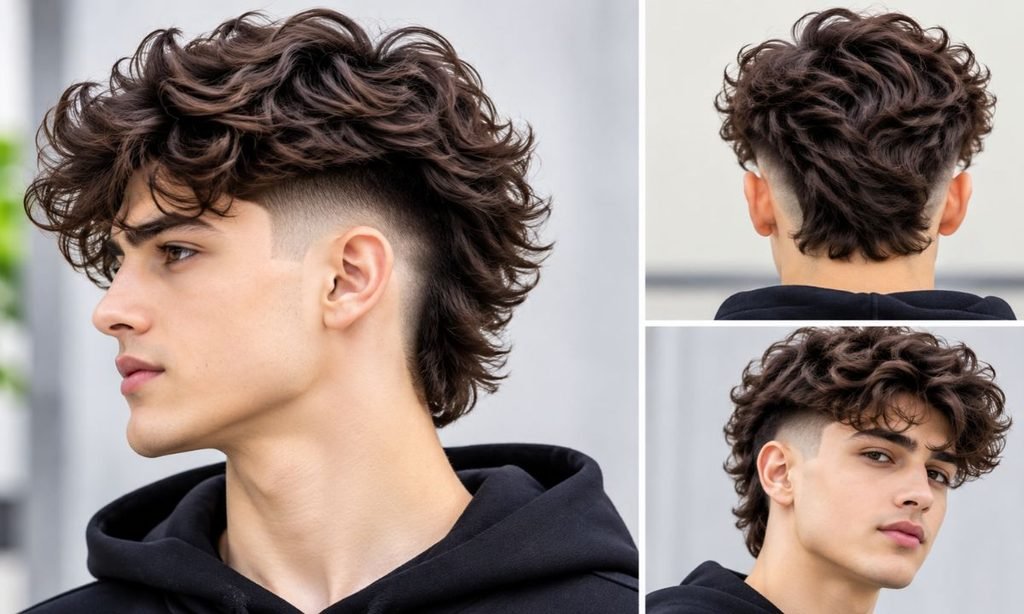
This version adds a skin fade or low fade at the back and sides while the top stays longer. The contrast looks crisp and modern, especially on thick hair.
Book a fade refresh every two to three weeks to keep the shape sharp.
A fade also suits people who like a clean, sporty finish. Ask whether your barber recommends a taper or a skin fade, since each gives a different level of contrast.
Reverse mullet haircut viking

The Viking take keeps the top long and slightly rugged, sometimes with a braid or half-tied section, and trims the back shorter. It pairs naturally with a full beard.
A light texture spray helps the longer hair look natural rather than heavy.
Braids at the temples, a loose top knot or a pushed-back top all fit the look. Keep the sides tidy so the long section remains the focus.
Reverse mullet haircut kids

For kids, keep the style simple and low maintenance. A longer fringe, a soft taper behind and no harsh fade are usually enough.
Choose a shape that grows out gently, and let your child have a say so the cut feels fun rather than forced.
Parents should also think about school rules, since some schools limit dramatic cuts or bright colors. A neat, simple version is easier to keep tidy at home and usually passes without trouble.
Reverse mullet black man

On coily or tightly curled hair, the longer top can be twisted, sponged or shaped into a defined curl pattern while the back is faded close.
A crisp line-up gives the cut structure, and a moisturizing cream keeps the curls healthy.
Keep the edges clean with regular line-ups, and protect the longer top at night with a satin bonnet or scarf. Healthy moisture keeps the shape defined and prevents dryness.
Tellum haircut
Tellum is another name for this cut, formed by spelling “mullet” backwards. Searches for it usually point to the same shape: short at the back and fuller at the front.
Mention both names to your barber if you are not sure which one they use.
You may also see the word “frullet” used online for a similar shape, so showing a reference picture is always the safest way to get exactly what you want.
Reverse mullet curly hair

A reverse mullet haircut on curly hair gets natural volume and movement. Keep the top long enough for the curls to form, and ask for thinning at the back so the shape stays tidy.
Use a curl cream and avoid brushing dry curls.
Let the curls dry naturally or use a diffuser on low heat. Finishing with a light gel or mousse helps the pattern clump together and keeps frizz away.
Why Is the Reverse Mullet Trending in 2026?
The cut stays popular because it blends nostalgia with a polished finish. People who like retro looks can enjoy the shape without the long back that made the original divisive. Social media also keeps pushing textured, layered and fringe-heavy cuts, and a reverse mullet haircut fits that mood well.
It also adapts easily. Barbers can tune the length, fade and layers to match almost any face shape or hair type.
Another reason is comfort. The short back keeps the neck cool in warm weather, while the longer top can still be tied, pinned or styled however you like.
Key Benefits of a Reverse Mullet
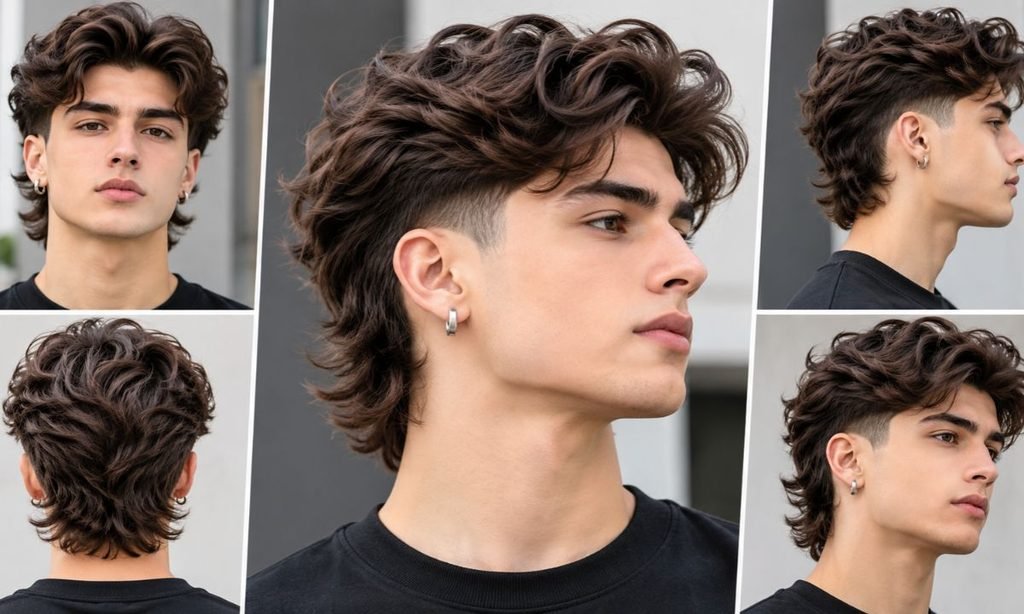
A well-cut reverse mullet haircut brings practical benefits as well as style:
- Frames the face: the longer top softens or sharpens your features, depending on the cut.
- Low upkeep: the short back and sides stay tidy between trims.
- Works with many textures: straight, wavy, curly and coily hair can all carry it.
- Quick to style: a small amount of product gives shape in minutes.
- Easy to adjust: you can grow it out or take it shorter later.
Classic Reverse Mullet
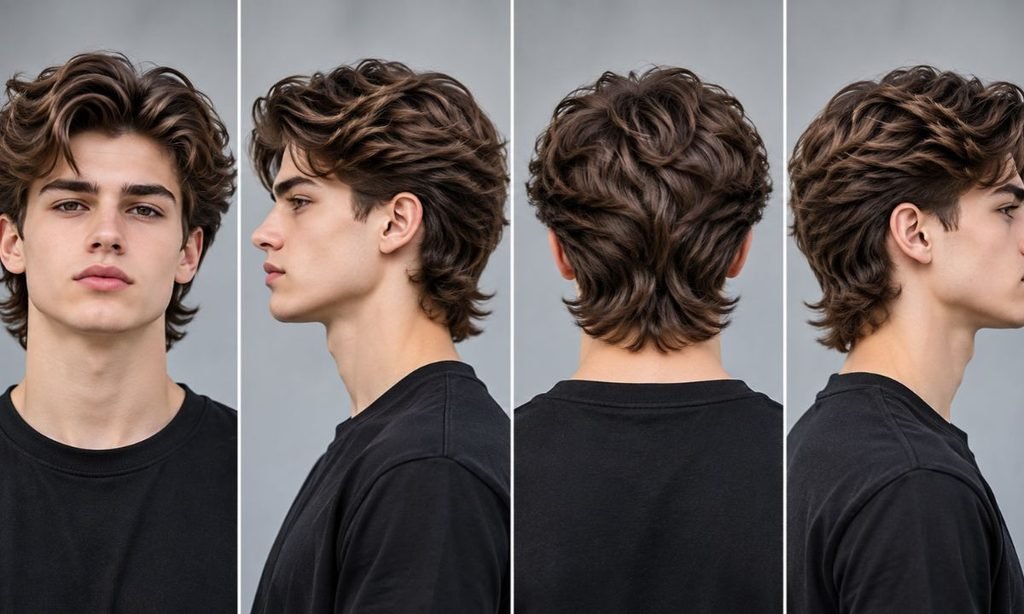
The classic version keeps a medium-length fringe and a short, tidy back with a simple taper. It is the easiest place to start if you are trying the style for the first time.
Ask for light layering on top so the hair moves naturally, and finish with a touch of matte paste.
Many people choose this version when they are unsure about a bigger change. If you like it, you can ask for a longer fringe or a sharper fade at your next visit.
Textured Reverse Mullet

Texture is what makes this cut feel current. Choppy layers on top create separation and movement, while the short back stays smooth.
Work a sea salt spray or clay through damp hair, rough dry it and leave the ends slightly messy. A textured reverse mullet haircut looks best on medium to thick hair.
Avoid over-washing, because natural oils help hold the texture in place. Washing two or three times a week and rinsing with cool water keeps the hair looking fuller.
Reverse Mullet Fade
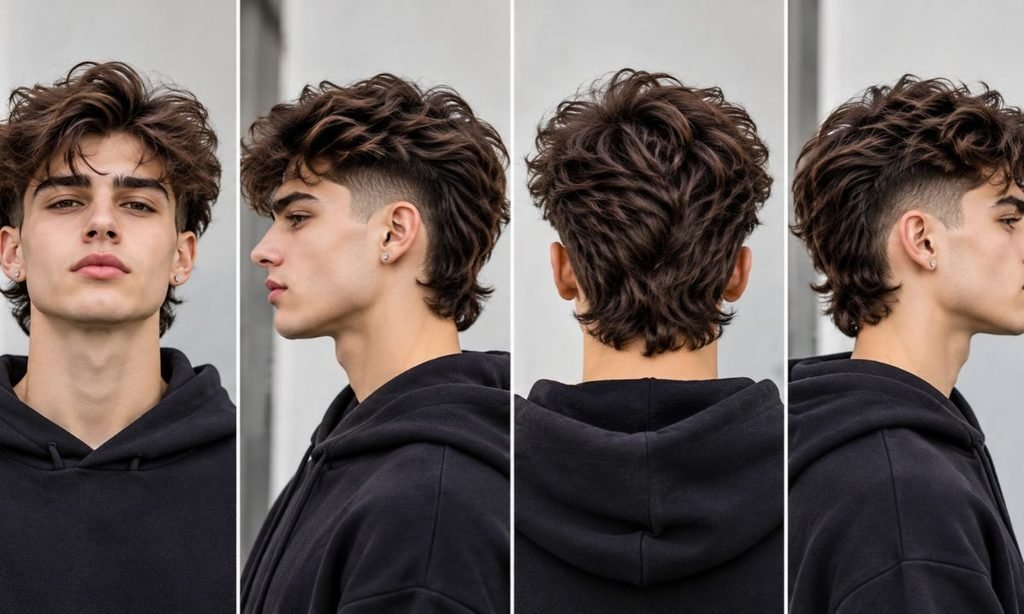
A fade makes the contrast between the long top and the short back more obvious. A low fade looks subtle and office friendly, while a mid or high fade feels bolder and sportier.
Pick the fade height based on how much attention you want the cut to draw, and plan regular visits to keep the lines crisp.
A fade also reveals the neck and ears, so a well-kept beard or clean neckline makes a noticeable difference. Good skin care and a fresh trim keep everything looking intentional.
Curly Reverse Mullet

Curls add natural volume to the top, so you often need less layering than with straight hair. Keep the curls long enough to bounce, and have the back tapered so it does not puff out.
A leave-in conditioner and a diffuser help the curl pattern stay defined without frizz.
Avoid heavy layering around the crown, which can make curls spread out. Instead, ask your barber for shape through the sides and a rounded top that falls naturally.
Trendy Reverse Mullet for Men 2026
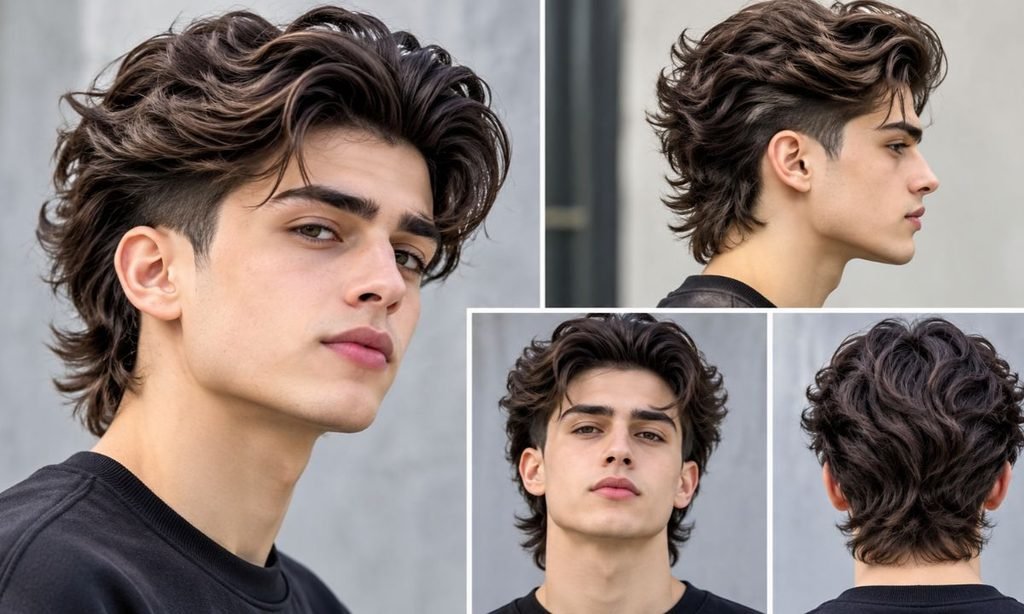
For a current look, combine a textured fringe with a clean taper and a slightly longer middle section. Many men also add a subtle shadow fade or a lightly shaped neckline.
Share a reference photo with your barber so there is no confusion about length.
Neutral shades such as soft brown, black or ash blond keep the look timeless, while a small color accent adds a modern touch without overwhelming the cut.
Long Reverse Mullet

A long version leaves the top near chin or shoulder length with a shorter back that shows the neck. Growing out a long reverse mullet haircut takes patience, but the payoff is a bold, personal shape.
Use a lightweight oil on the ends and trim regularly so split ends do not weigh the shape down.
Keep the hair healthy with a weekly mask and a heat protectant before blow-drying. Healthy ends make the longer section look intentional instead of untidy.
Short Reverse Mullet

The short version trims the top to a compact fringe and keeps the back close. It suits busy mornings and anyone who dislikes fussy styling.
A short reverse mullet haircut pairs well with a tight taper and needs only a little paste or wax.
Because the cut is compact, small mistakes show quickly, so choose a barber who is confident with both clippers and scissors. A neat neckline finishes the look.
Wavy Reverse Mullet

Natural waves give the top a relaxed, tousled finish. Ask for long layers instead of heavy thinning so the waves can stack and move together.
Apply a light mousse to damp hair and let it air dry for a soft, beachy look.
Avoid brushing waves when dry, as this creates frizz. A wide-tooth comb through damp hair keeps the pattern smooth and the shape soft.
Shaggy Reverse Mullet

The shaggy take uses uneven, feathered layers for a rock-inspired finish. The top looks loose and a little wild, while the back stays short.
Because the shape depends on texture, avoid heavy gels and choose a dry texturizing spray for a lived-in effect.
This version suits creative personalities and works well with relaxed outfits. It also grows out without losing character, which makes it forgiving between appointments.
Reverse Mullet with Bangs
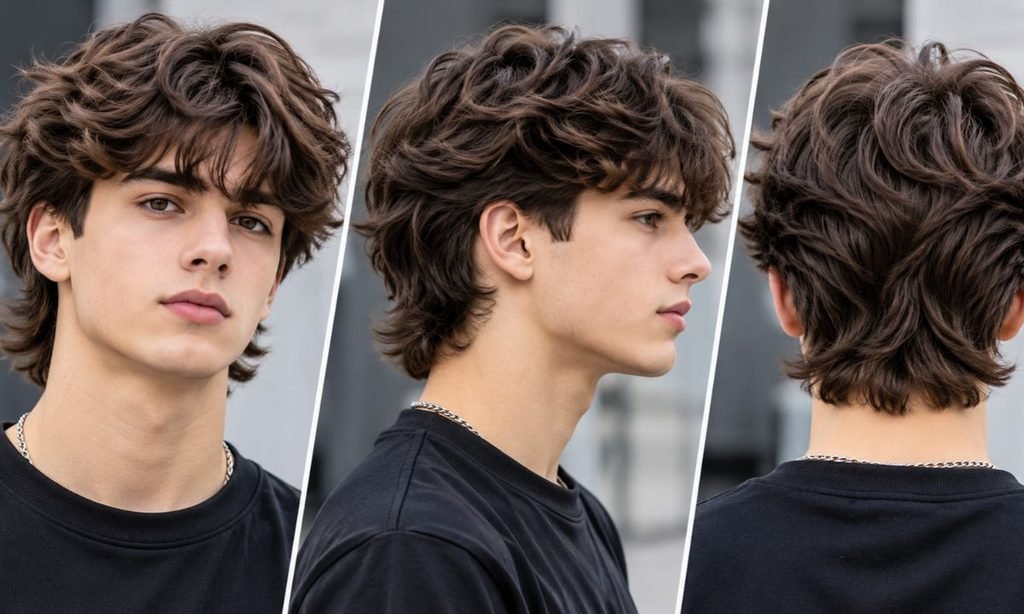
Bangs add a soft frame across the forehead and help balance the short back. Blunt bangs feel graphic and bold, while wispy bangs look lighter and easier to wear.
Choose a length above the eyebrows for a neat finish, and trim the fringe often because it grows out quickly.
If you are unsure, start with longer bangs and trim them shorter over time. A slightly side-swept fringe is also easier to style than a straight-across cut.
Undercut Reverse Mullet

An undercut keeps the sides and back very short while the top stays long and disconnected. A reverse mullet haircut with an undercut gives a strong, graphic outline that can be slicked back, side-swept or left loose.
The sharp contrast needs regular clipper upkeep, so expect to see your barber every few weeks.
Keep the longer top healthy with a light conditioner, since the contrast makes dry or damaged ends easy to notice. A simple part or slick-back keeps the style tidy.
Modern Reverse Mullet

A modern take uses soft blending instead of hard lines. The top flows smoothly into a clean back, and the overall shape feels deliberate rather than dramatic.
It is a good choice for professional settings where you still want a fresh, stylish cut.
Soft finishes such as a satin paste or light cream keep the top neat without looking stiff. The cut works especially well with smart-casual clothing.
Layered Reverse Mullet

Layers create lift and movement, which stops the longer top from falling flat. A reverse mullet haircut with layers works best when the hair is long enough to show shape, usually three inches or more.
Ask for layers that start at the crown and finish near the fringe so the transition looks even.
Avoid cutting layers too short on the sides, as this can make the top look disconnected. A skilled barber will blend them so the movement looks effortless.
Reverse Mullet for Straight Hair

Straight hair shows every line, so a precise cut matters. Choppy or point-cut layers add texture and keep the top from looking flat.
Use a texturizing spray and a blow dryer to add lift at the roots, then finish with a light paste for definition.
Straight hair also benefits from regular trims, because split ends and uneven lines are more visible. A sharp neckline keeps the cut looking fresh.
Reverse Mullet for Thick Hair

Thick hair holds the shape well but can feel heavy. Ask for internal layering to remove bulk without losing length.
A reverse mullet haircut on thick hair benefits from a clean fade at the back, which keeps the silhouette balanced. Use a light cream to control frizz and avoid heavy waxes.
Thick hair grows out quickly, so booking regular appointments keeps the outline from becoming bulky. A rinse of cool water also adds shine to the longer top.
Reverse Mullet for Fine Hair
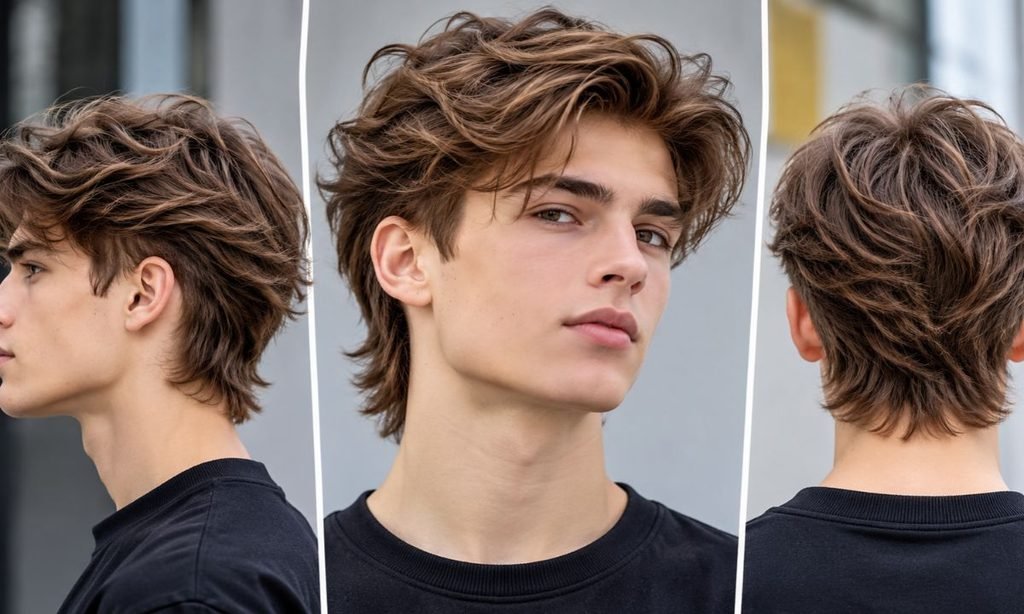
Fine hair needs volume more than weight. Keep the top slightly shorter, add soft layers and avoid heavy thinning that makes the strands look sparse.
A reverse mullet haircut can make fine hair look fuller when the back stays short. Volumizing powder or a root-lift spray works better than thick pomade.
Avoid washing every day, since fine hair can lose volume when stripped of natural oils. A dry shampoo on non-wash days adds grip and body.
Reverse Mullet with Taper Fade

A taper fade shortens the hair gradually down the sides and neck, leaving a natural hairline. It is more subtle than a skin fade and suits people who want a neat finish.
Pair it with a textured top for a modern, balanced look.
A taper also works well for people who change styles often, because the neat sides let the top look good whether it is slicked back, brushed forward or messy.
Punk Reverse Mullet

The punk version leans into the style’s roots with a longer, spiky or jagged fringe and a very short back. Bleached or dark tips and rough texture add attitude.
Use a strong paste or clay to hold the shape, and do not worry about perfection, since a little chaos fits the look.
Dark clothing, silver accessories and rough textures all complement this version. If you want a bolder statement, add a few colored strands through the fringe.
Messy Reverse Mullet

A messy finish is the easiest way to wear the cut. Towel dry, add a little sea salt spray and scrunch the top with your fingers.
The loose, lived-in style hides small growth differences and looks good with casual clothes.
For extra hold, mist the top with a light hairspray after styling. It keeps the shape loose but stops the hair from collapsing by midday.
Reverse Mullet with Highlights
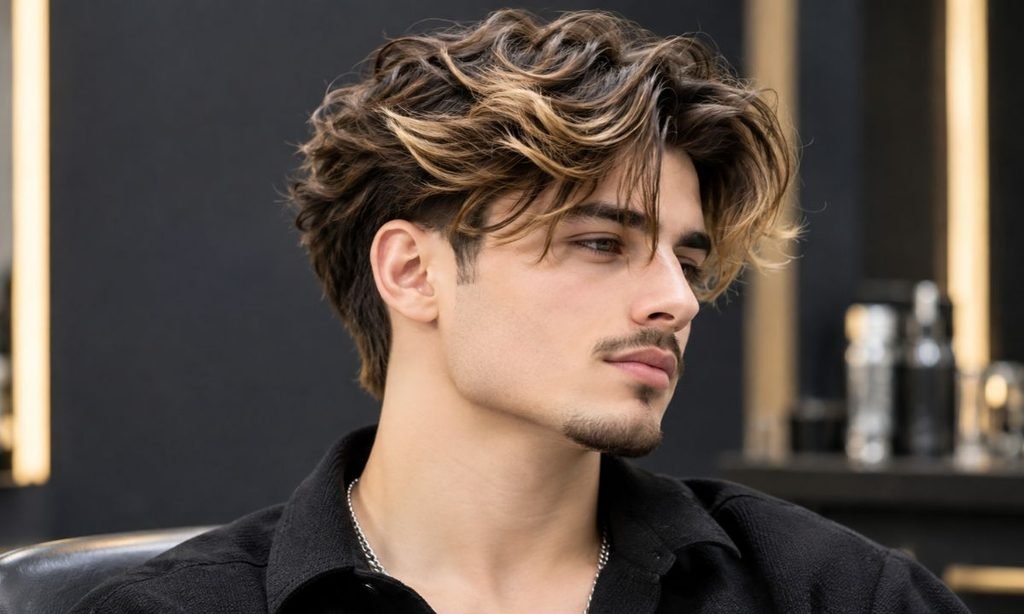
Highlights add depth and show off the layers in the top. Face-framing blonde or caramel streaks look natural, while bold contrast streaks feel more daring.
Choose a shade close to your base color for low maintenance, and use a color-safe shampoo to keep the tones fresh.
Ask for a balayage or hand-painted technique for a softer grow-out, since foil highlights can create a harsh line at the roots. Treat lightened sections gently with a weekly mask.
Asian Reverse Mullet

Many people with Asian hair have straight, dense strands that hold sharp cuts well, although textures vary. Ask for movement through the top and a tapered back to avoid a flat, heavy look.
A reverse mullet haircut on this hair type pairs well with a soft fringe and a matte styling clay.
If your hair is very straight, ask for point cutting to avoid heavy, blunt edges. A little root-lift product can make the top look fuller and less flat against the scalp.
Reverse Mullet Wolf Cut
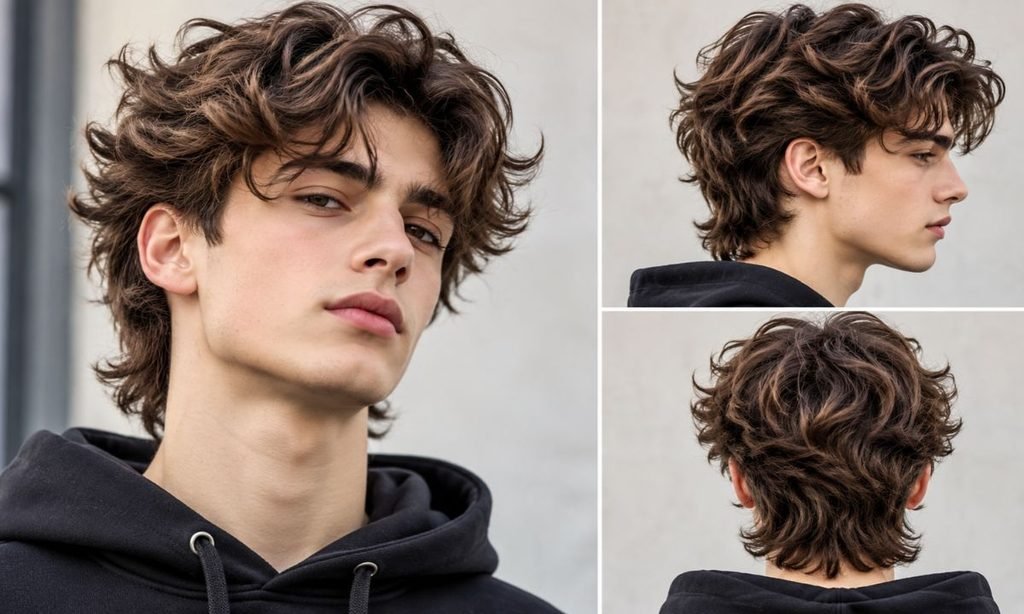
The wolf cut blends shag and mullet layers, and the reverse version keeps the volume on top while shortening the back. The result is fluffy and full of movement.
A wolf-style reverse mullet haircut works with most textures and looks best with plenty of choppy layers around the crown.
Dry the hair with a diffuser or scrunch it with your fingers to bring out natural movement. Avoid sleek straightening, which flattens the layered texture.
Reverse Mullet with Curtain Bangs

Curtain bangs part in the middle and sweep to each side, blending into the longer top. They give a soft, retro-inspired frame and work on most face shapes.
Style them with a round brush and a light spray for a smooth swoop.
Curtain bangs grow out gracefully, so you can leave them longer between trims. They also blend into the sides if you decide to pin them back.
Edgy Reverse Mullet

For an edgy result, push the contrast. Use an uneven fringe, a skin fade and a sharp neckline, then add texture with matte clay.
Keep the color natural or dark so the cut itself does the talking.
A shaved line or small design near the temple adds a personal detail, but keep it subtle so it does not distract from the shape of the top.
Colored Reverse Mullet

Color turns the cut into a statement. A colored reverse mullet haircut might use silver, blue, pink or green on the top while the back stays natural.
Lighten the hair gently, use a bond-repair treatment and book a toner refresh when the shade begins to fade.
Wash with cool water and a color-safe shampoo to slow fading. Pastel shades need more frequent refreshes than natural tones, so plan for upkeep before you commit.
Reverse Mullet with Soft Layers

Soft layers keep the shape gentle and wearable. The top blends into the back with smooth, feathered ends instead of sharp steps.
It is ideal for anyone who wants the look without a dramatic change, and it grows out gracefully over several months.
Soft layers are also easy to restyle. A little cream brushed through the ends gives a smooth finish, while a quick scrunch adds texture on casual days.
Does a Reverse Mullet Work with Curly Hair?

Yes, it works well. Curly hair adds natural volume and shape to the longer top, and a tapered back keeps the outline neat.
Cut the curls while they are dry so the length stays predictable, and use moisture-rich products. A reverse mullet haircut on curls is a flattering option for many people.
Avoid combing the top when dry, and gently squeeze in water or leave-in conditioner instead. This keeps curls bouncy and stops the shape from turning into frizz.
How to Style a Reverse Mullet

Styling a reverse mullet haircut takes only a few minutes once the cut is right. The goal is a top that looks full and textured, with a back that stays neat.
Use a Texturizing Product
Texture is the foundation of the style. Work a small amount of sea salt spray, clay or matte paste through damp or dry hair, focusing on the mid-lengths and ends.
Avoid shiny, heavy gels, which flatten the top and make the cut look stiff. Start with a pea-sized amount and add more only if needed.
Add Volume
Volume keeps the longer section from falling flat. Blow-dry the roots upward with your fingers or a round brush, then finish with a cool blast of air to lock in the lift.
A root-lift spray or volumizing powder helps fine hair hold its shape through the day. Brush the fringe forward or to the side, depending on your face shape.
Maintain Regular Trims
Trims protect the outline, because the short back loses its shape faster than the top. Visit your barber every three to four weeks for a tidy neckline, or every two to three weeks if you wear a fade.
Ask for a light fringe trim when it starts to cover your eyes. Regular care also keeps split ends under control on longer hair.
FAQs – Reverse Mullet Haircut
What is a reverse mullet?
A reverse mullet haircut has longer hair on the top and front with a short back and sides. It is the opposite of a traditional mullet and is also called a tellum.
Does a reverse mullet work for all hair types?
It works for straight, wavy, curly and coily hair, but the cutting method changes. Fine hair needs soft layers, while thick hair needs some weight removed.
Is the reverse mullet suitable for men?
Yes. It combines a modern fringe with a tidy back and can be made subtle or bold. Pairing it with a taper or fade makes it easy to wear at work.
How often should a reverse mullet be trimmed?
Trim every three to four weeks to keep the back and neckline sharp. Fades may need a refresh every two to three weeks, while the top can wait a little longer.
What face shape suits a reverse mullet best?
Oval and square faces suit most versions, but the cut can be adapted to others. A longer fringe softens a strong jaw, while extra height on top helps a round face look longer.
Is mullet a chapri haircut?
“Chapri” is slang used in parts of South Asia, often as a put-down for flashy street style. A mullet is simply a haircut, and how it looks depends on the quality of the cut, grooming and how you wear it.
What is the gen z haircut called?
There is no single Gen Z haircut. Popular choices among younger people include the textured fringe, the wolf cut, the taper fade and mullet-style cuts, including the reverse mullet.
Is mullet for LGBTQ?
No haircut belongs to one group. Mullet-style cuts are worn by people of all genders and orientations, and many in the LGBTQ community enjoy them as a form of self-expression.
What is a wolf mullet cut?
A wolf mullet cut mixes shag and mullet layers for a fluffy, textured finish. The reverse version keeps the volume on top and shortens the back.
Conclusion
A reverse mullet haircut gives you the attitude of a mullet with a cleaner, more modern shape. Whether you choose a fade, curls, bangs or color, the key is to match the cut to your hair type, face shape and daily routine.
Talk to your barber, bring a reference photo and keep up with regular trims, and the style will look sharp for months.

Meet Olivia Bennett, a passionate hair and beauty writer at ClearN Haven, sharing trendy haircuts, stunning hairstyles, and expert tips for beautiful hair.
1 thought on “Ultimate Reverse Mullet Haircut: 2026’s Best Men’s Hair Tips”