

The curtain mullet is one of the most talked-about haircuts of 2026, and it is easy to see why. It blends the relaxed attitude of a classic mullet with soft, parted fringe that frames the face. The result feels modern, wearable, and far less extreme than the mullets of the past.
If you are thinking about trying this cut, this guide will help you decide. You will learn what it is, how it works for different people, 24 popular variations, and the styling and care habits that keep it looking sharp from one salon visit to the next.
What Is a Curtain Mullet?
A curtain mullet combines the shorter top and sides of a mullet with a longer back, then adds a center or slightly off-center part at the front. The fringe falls to each side like a pair of curtains, which is where the name comes from. This part is what separates the style from a harder, more blunt mullet.
The length is usually medium on top, so the hair can be pushed away from the forehead and still move naturally. The back can be trimmed shorter for a subtle effect or left longer for a bolder one. Because the cut relies on layers, it works with natural movement instead of fighting it.
What makes the look so flexible is how easily it can be adjusted. A barber can fade the sides, add texture through the top, or keep everything soft and blended. That is why one curtain mullet can look polished on one person and casually messy on another, depending on how it is cut and styled.
Curtain mullet male
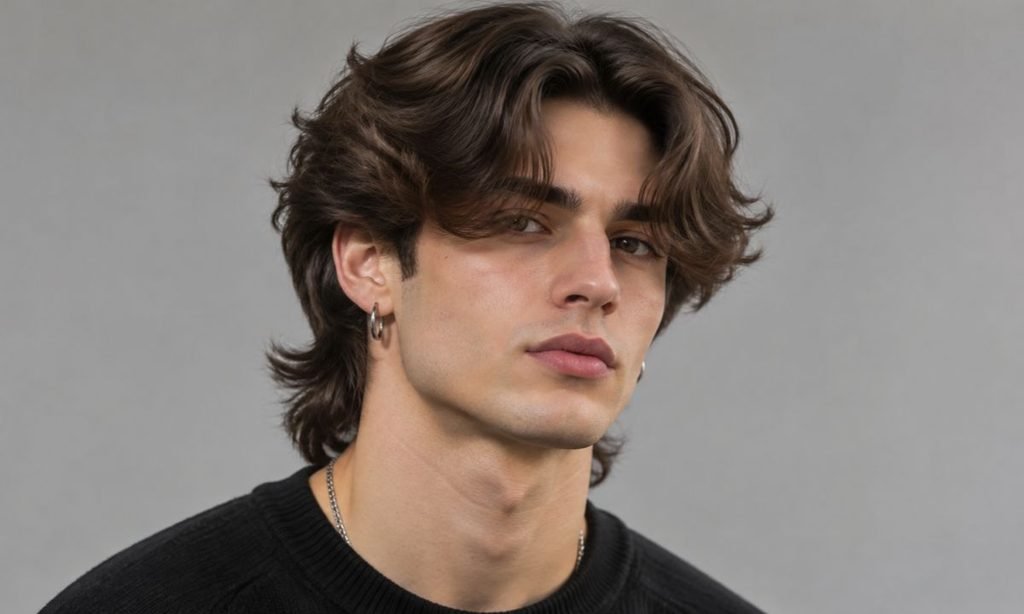
For men, the curtain mullet offers a way to wear longer hair without losing structure. The sides are kept neat, the top has enough length to part in the middle, and the back adds a relaxed edge. It suits men who want something more expressive than a standard short cut but still manageable for daily life.
Thick hair holds the shape well, while fine hair benefits from texture spray and lighter layering. Many men start with a shorter version and let it grow as they get used to the styling routine. A good barber can also adjust the neckline so the back looks intentional, not overgrown.
Curtain mullet fade
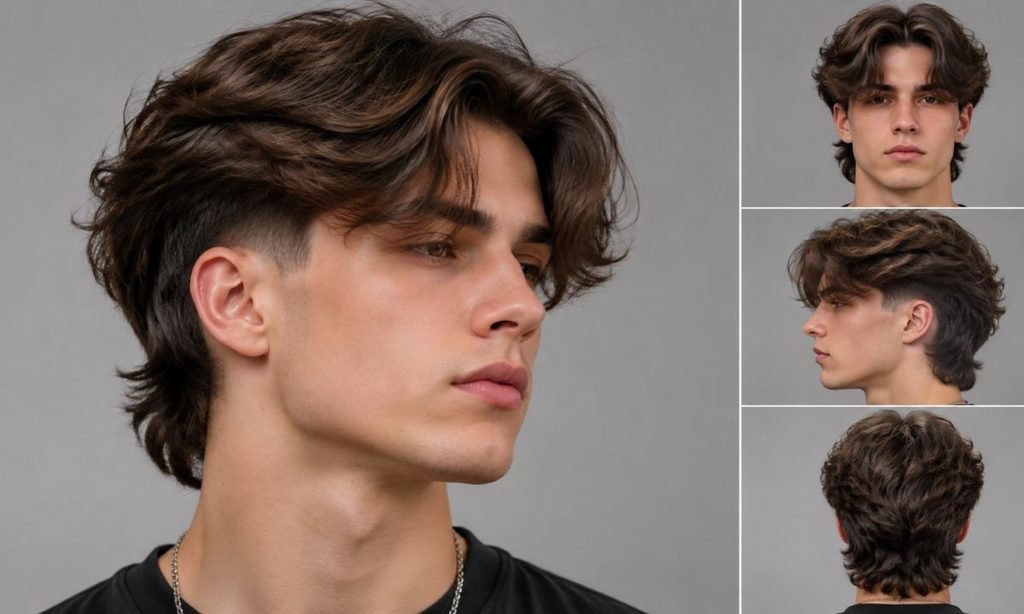
Adding a fade to a curtain mullet creates a clean contrast between the sides and the longer top. The hair gradually shortens toward the skin, which makes the fringe and back stand out more. It is a popular choice for people who like a sharper outline.
Fades can be low, mid, or high, and each one changes the mood of the cut. A low fade stays subtle, a mid fade gives a balanced look, and a high fade feels bolder. Because fades grow out quickly, this version needs regular touch-ups to stay crisp.
Read Related Post: Ultimate Reverse Mullet Haircut: 2026’s Best Men’s Hair Tips
Curtain mullet Woman
Women often choose this cut for its soft shape and easy movement. The layers around the face highlight the cheekbones, while the longer back keeps the overall look feminine and relaxed. A curtain mullet can be styled sleek, wavy, or slightly tousled depending on mood.
It works well on straight, wavy, and curly textures because the layers add shape without needing heavy products. If you are growing out a bob or a shag, this style is a practical stage that looks planned instead of awkward.
Curtain Mullet Korean
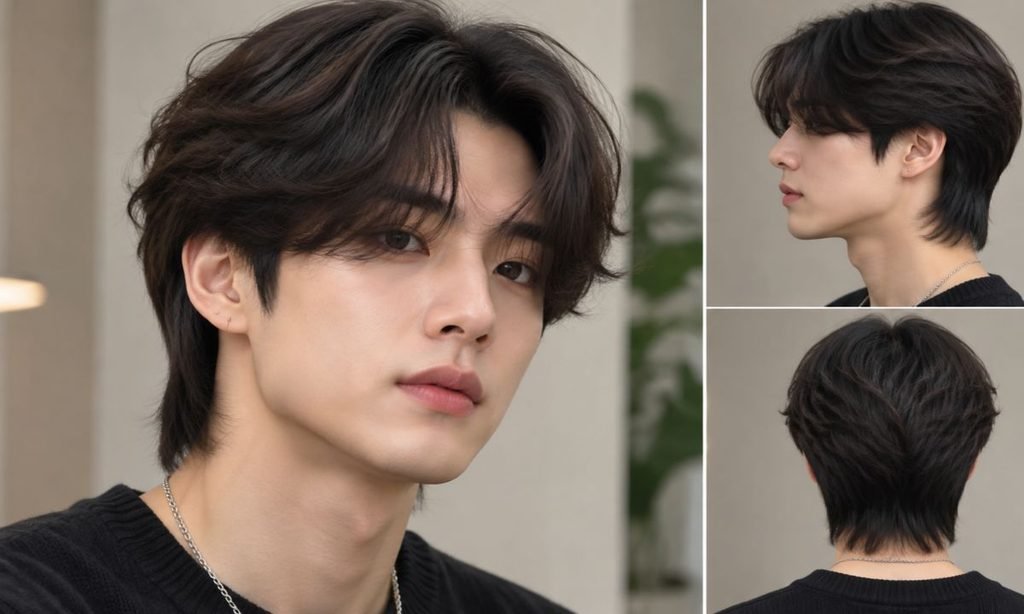
The Korean take on this style is usually lighter and more polished. The fringe is thinner and softer, the layers are finely blended, and the back is often kept shorter than in Western versions. A Korean curtain mullet tends to look clean, airy, and well-groomed.
Stylists often use texturizing techniques to remove weight, which gives the hair a natural bounce. A light cream or a little volumizing powder is usually enough to hold the shape through the day.
Curtain mullet Short Hair
Short hair can still carry this look. The fringe sits just past the brow, the sides stay tight, and the back has only a little extra length. A short curtain mullet is a good starting point if you want to test the style before committing to more length.
This version dries fast and needs very little product. It also grows out gracefully, since the layers are already built in.
Curtain mullet photo

Before booking an appointment, collect a few reference pictures. Look for photos that show the front, side, and back, because the cut changes a lot from each angle. Choose images where the hair type is close to yours, since texture affects how the layers fall.
Showing your barber two or three photos is far more useful than describing the cut in words. Point out what you like, such as the fringe length or the back shape, so there is no confusion in the chair.
Middle part Curtain mullet
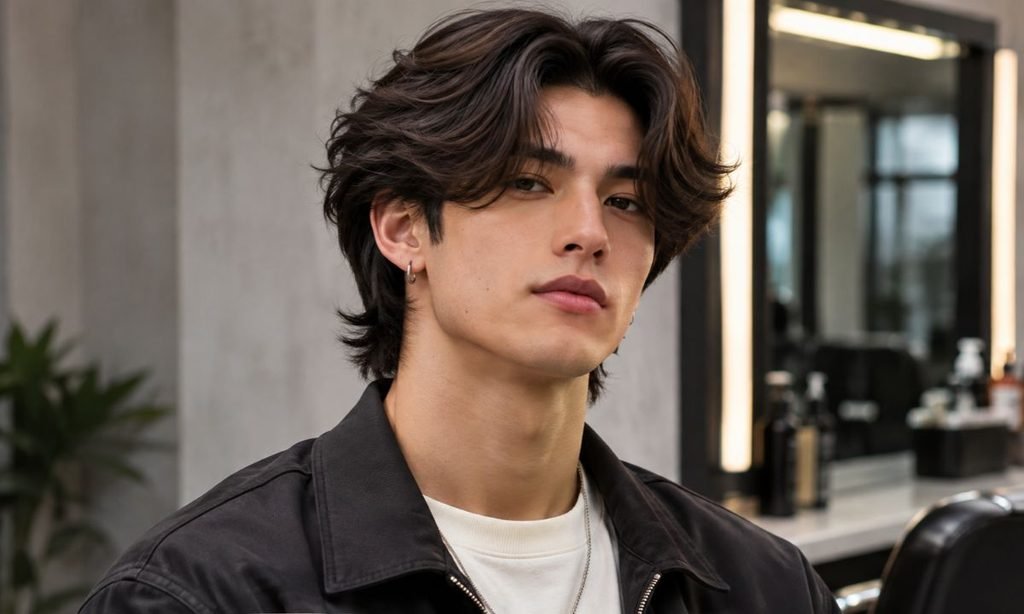
The middle part is the signature detail of this haircut. It splits the fringe evenly so both sides frame the face in a balanced way. A middle-parted curtain mullet looks symmetrical, retro, and a little dramatic.
To keep the part clean, comb it while the hair is damp and dry it in place. If your hair resists, a slight off-center part still gives the same curtain effect with less effort.
Why Is the Curtain Mullet So Popular?
People like this cut because it feels fresh without being hard to wear. It brings back a retro shape, yet the soft fringe and blended layers keep it current. The curtain mullet also fits many personalities, from quiet and tidy to loud and creative.
Another reason is versatility. It works on straight, wavy, and curly hair, and it can be dressed up or down. Social media has helped too, since the shape photographs well from every angle and looks different with each styling choice.
Finally, it is forgiving. The layers hide small growth changes, so the haircut still looks intentional a few weeks after a trim. For people who want a distinctive style with realistic upkeep, that balance is hard to beat.
24 Curtain Mullet Haircut Styles
There is no single way to wear this cut. The variations below change the fade, length, texture, or fringe, so you can pick the one that fits your hair and your routine.
Classic Curtain Mullet
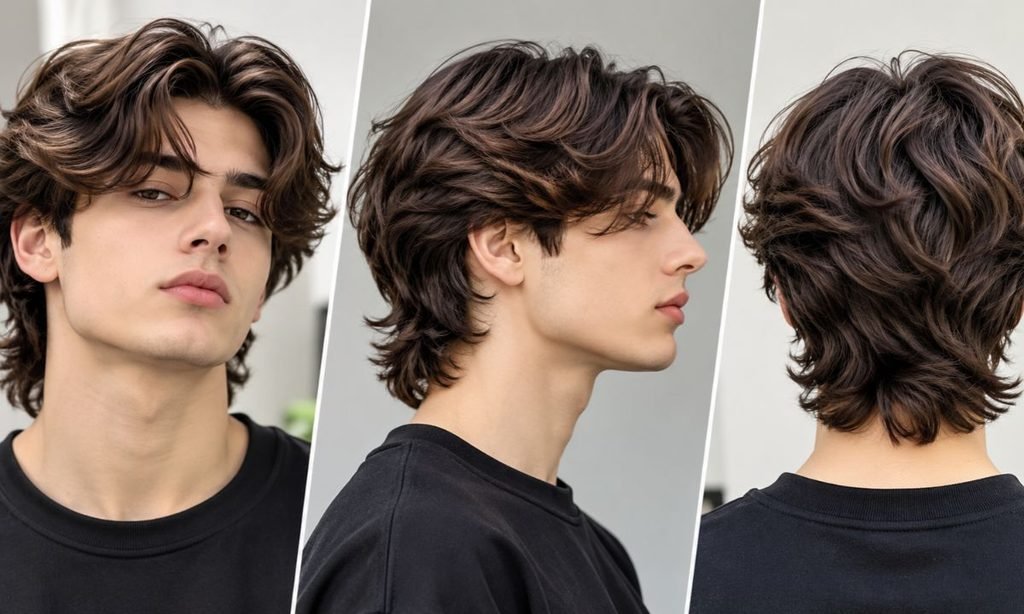
The classic version keeps a center part, medium-length fringe, and a longer back that sits at the nape. The sides are tapered lightly rather than faded. It is the easiest version to explain to a barber and a reliable starting point for first-timers.
Textured Curtain Mullet
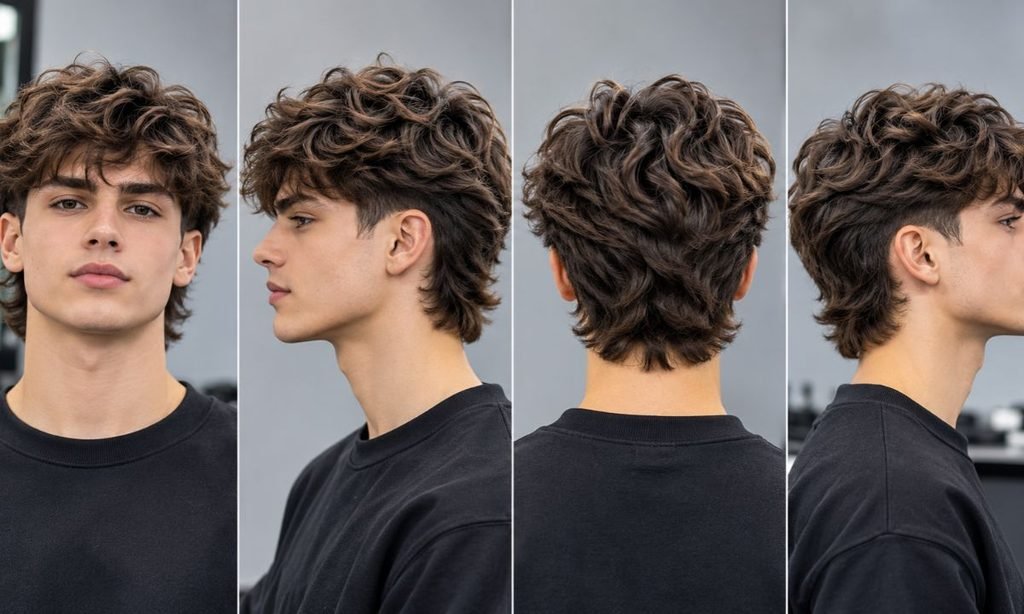
This version uses choppy layers and point cutting to add movement through the top and ends. The hair looks lived-in and slightly rough. A sea salt spray or light paste brings out the texture, and it suits hair that tends to fall flat.
Low Taper Curtain Mullet

A low taper trims the hair gently around the ears and neckline while leaving the rest full. It keeps the curtain mullet looking tidy without a dramatic contrast. This is a sensible pick for offices and schools with relaxed grooming rules.
Mid Fade Curtain Mullet
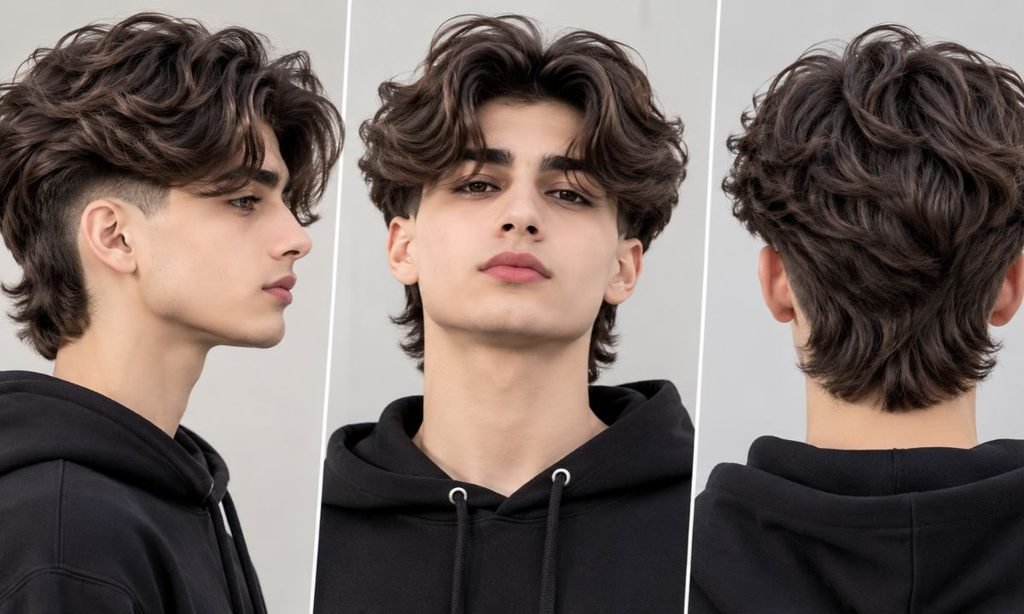
A mid fade begins in the middle of the sides and blends smoothly down. It creates a strong separation between the short sides and the longer top. The look is sharp and modern, and it frames the fringe nicely.
Burst Fade Curtain Mullet

A burst fade curves around the ear and fades toward the back, leaving the neckline longer. This pairs well with a mullet because the longer nape stays intact. The shape feels rounded and stylish, especially on wavy or curly hair.
Skin Fade Curtain Mullet

The skin fade drops all the way to bare skin, which gives the cleanest possible contrast. The longer fringe and back then look even fuller. It is a bold option and needs frequent maintenance to avoid a fuzzy outline.
Korean Curtain Mullet
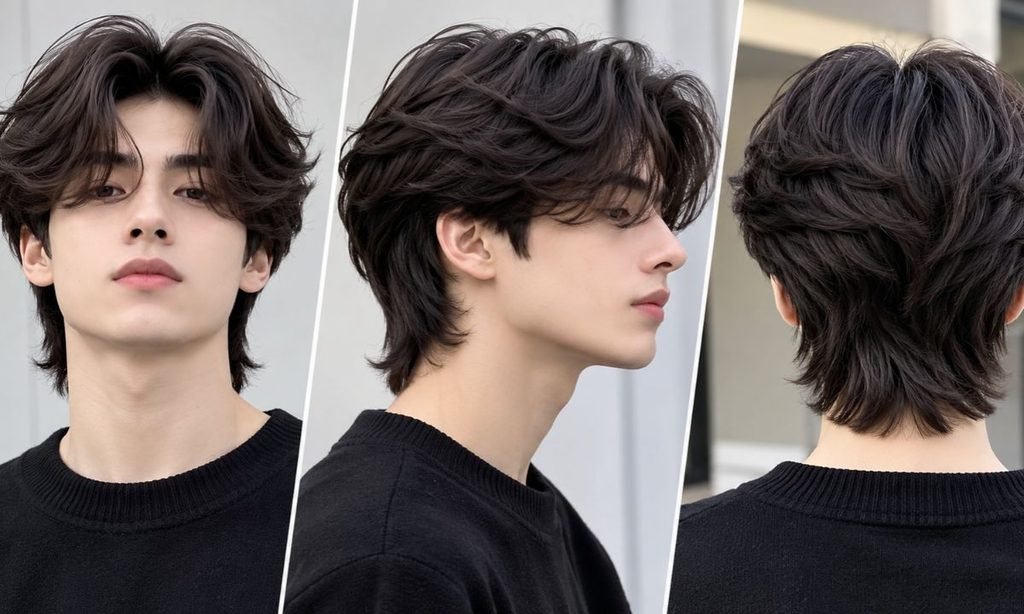
This variation features see-through bangs, soft layers, and a shorter back. The goal is a light, airy finish that moves easily. A bit of volumizing spray at the roots keeps the fringe lifted without making it stiff.
Shaggy Curtain Mullet
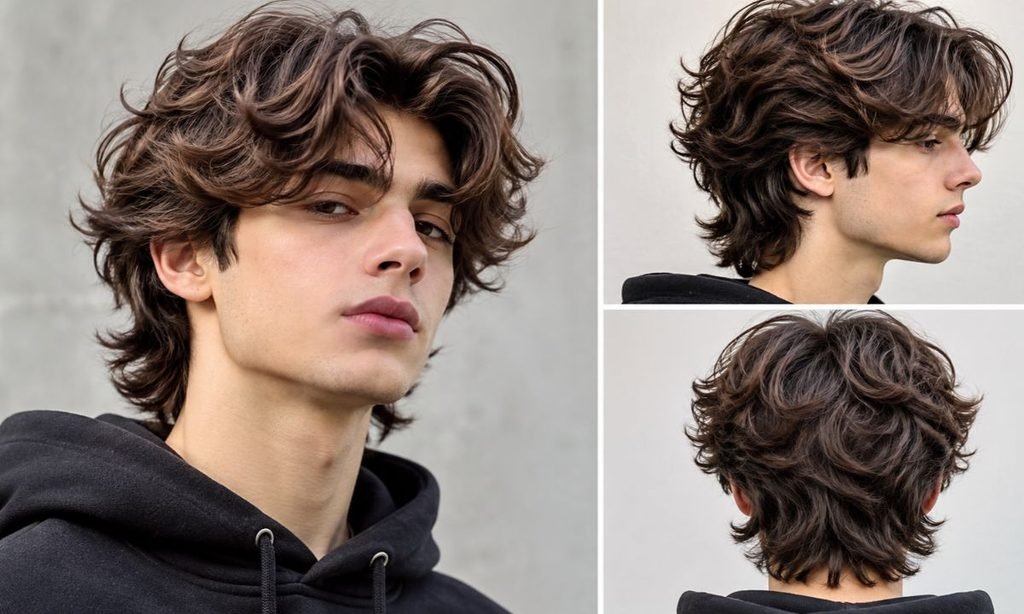
Shaggy layers cut throughout the top and back create a relaxed, rock-inspired mood. The ends are uneven on purpose. This style looks best when air-dried and lightly scrunched, and it forgives a messy morning.
Short Curtain Mullet
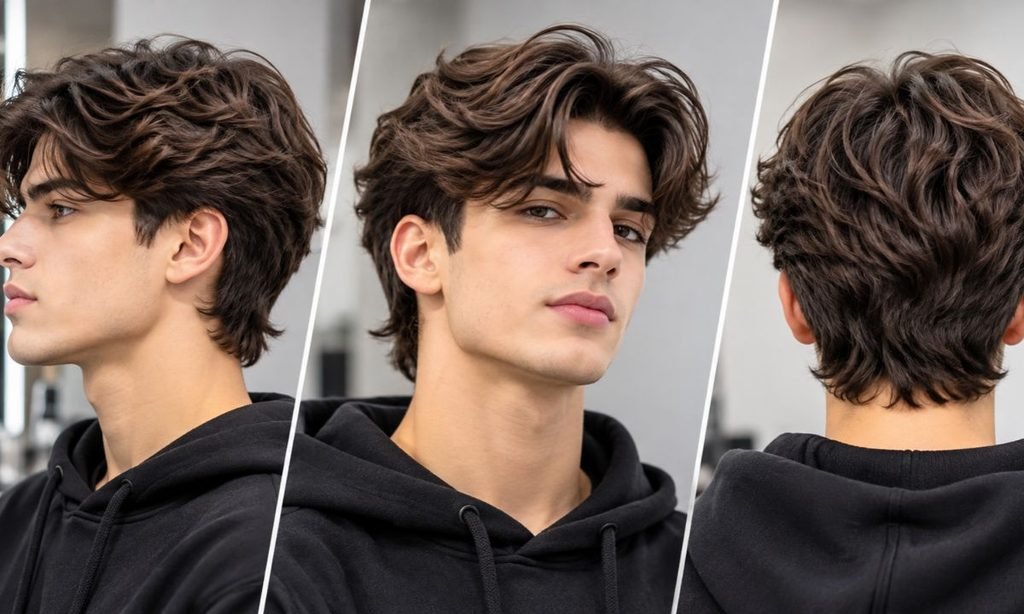
The short version keeps everything compact, with the fringe just reaching the eyebrows and the back barely covering the collar. It is low effort and quick to dry. Many people choose it as a trial cut before growing out for something longer.
Long Curtain Mullet
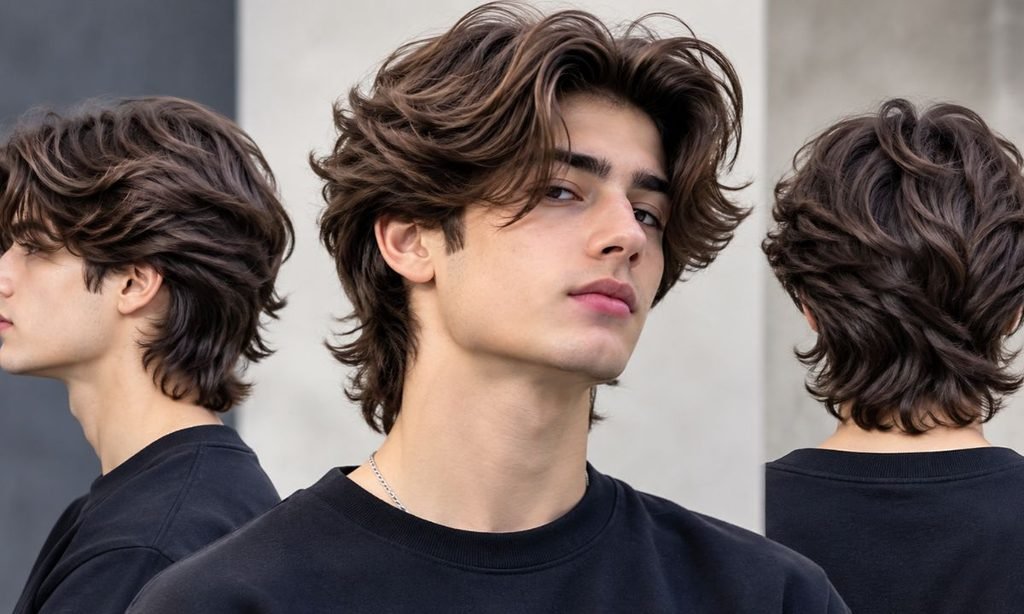
Long versions let the back fall well past the neck, and the fringe often reaches the cheekbones. This look has a strong, expressive feel. It needs regular conditioning and occasional trims so the ends stay healthy and the shape does not turn stringy.
Curly Curtain Mullet
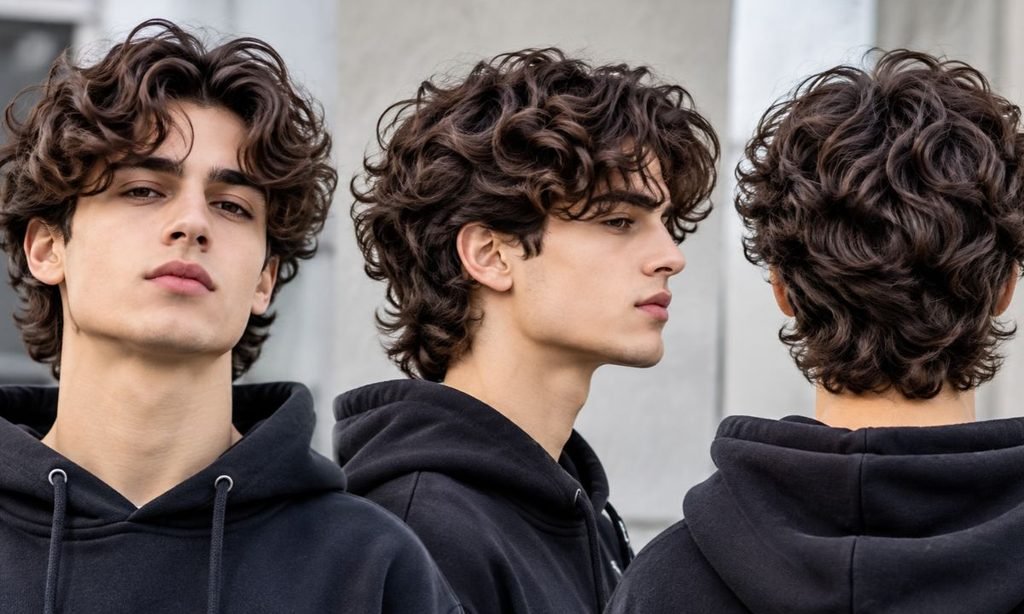
Curls give the cut natural volume and bounce. The layers should be cut dry or with care so each curl sits where it should. A curl cream and a diffuser help define the pattern, and the parted fringe forms soft, springy curtains.
Wavy Curtain Mullet
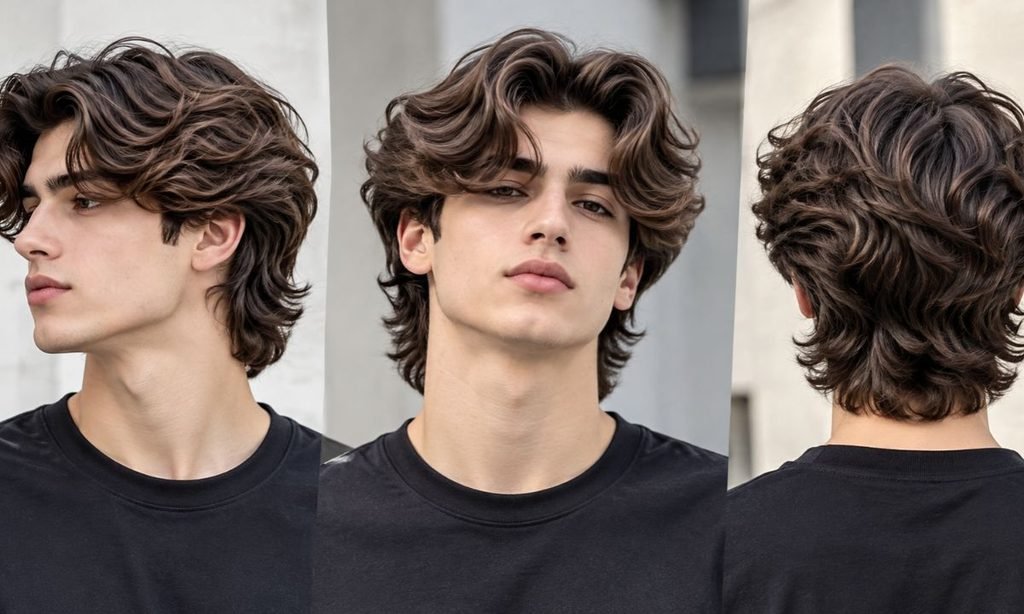
Waves are one of the easiest textures for this style because they already create movement. The layers add shape while the part keeps the front controlled. Air drying with a light mousse usually gives a relaxed, effortless result.
Straight Hair Curtain Mullet
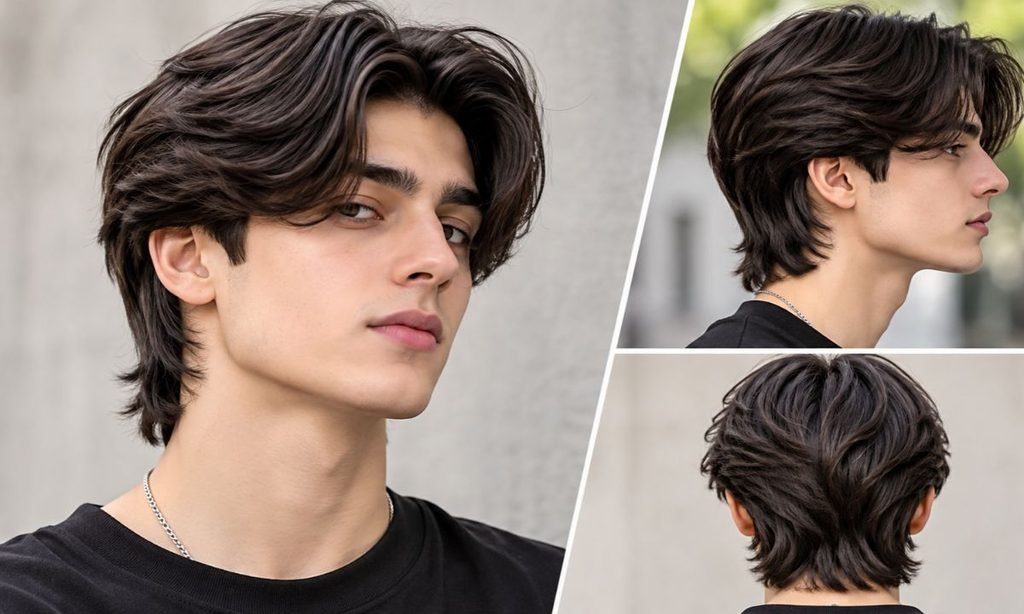
Straight hair shows the lines of the cut clearly, so precision matters. Face-framing layers add softness, and a texture spray prevents the hair from looking flat. The finish is sleek and sharp when blow-dried with a round brush.
Wolf Cut Curtain Mullet

The wolf cut blends shaggy layers with mullet shaping, giving extra volume at the crown and wispy ends. Pairing it with curtain bangs softens the effect. It suits people who like a dramatic, voluminous shape with plenty of personality.
Layered Curtain Mullet

Heavy layering removes bulk and creates flow from the fringe to the back. The layers overlap, so the hair moves as one piece. This option works well for thick hair that feels heavy or hard to manage.
Razor Cut Curtain Mullet
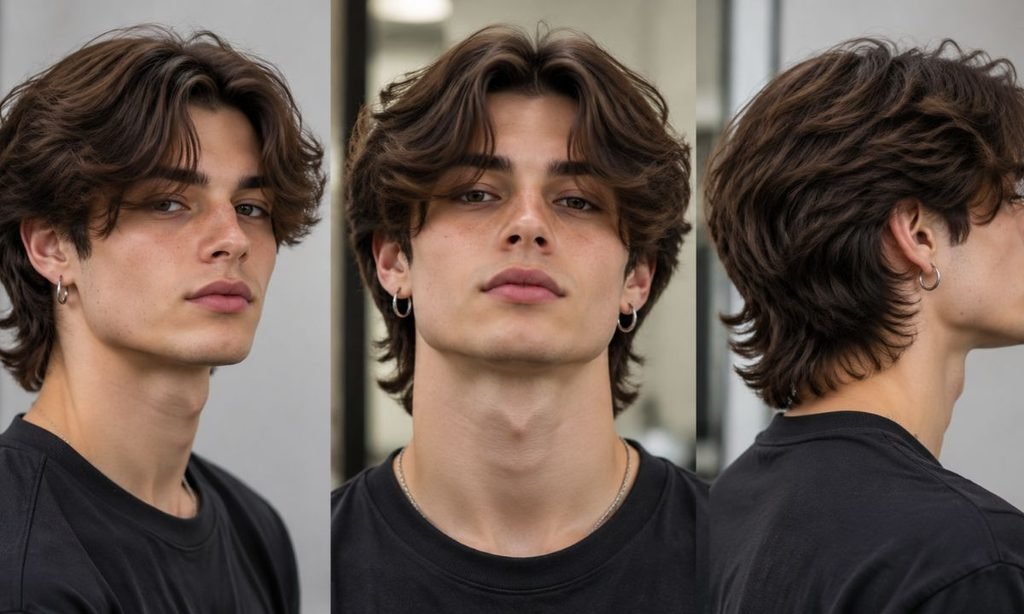
A razor cut feathers the ends instead of cutting them blunt, which gives a soft, wispy edge. It looks light and lived-in, especially on medium thickness hair. Because razored ends can look frayed on dry hair, regular conditioning is a good idea.
Messy Curtain Mullet
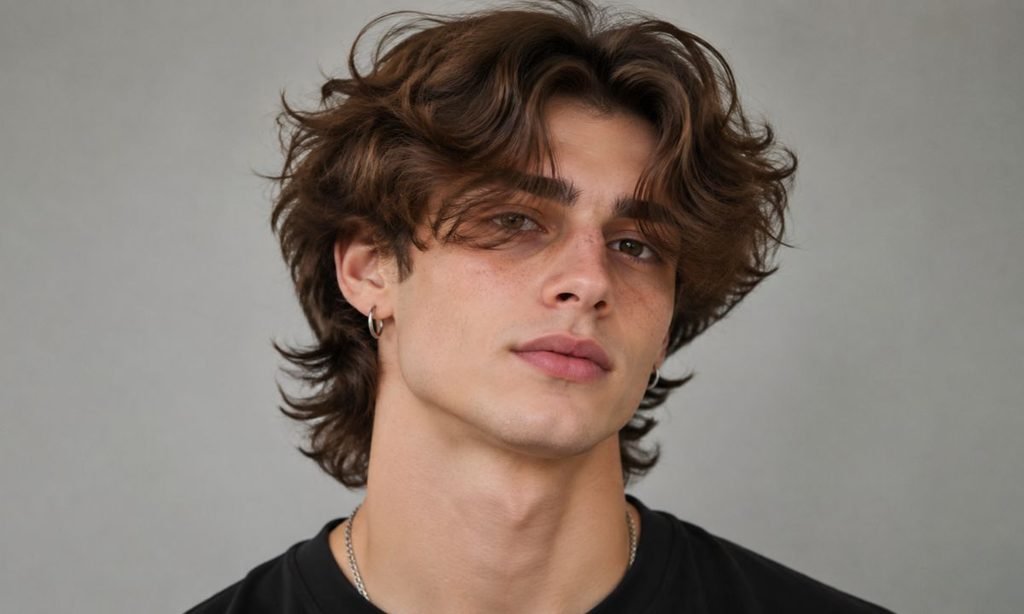
The messy version leans into disorder, with uneven layers and tousled texture. It looks best when styled with minimal product and a quick run of the fingers. The relaxed finish makes it a favorite for casual, everyday wear.
Taper Fade Curtain Mullet
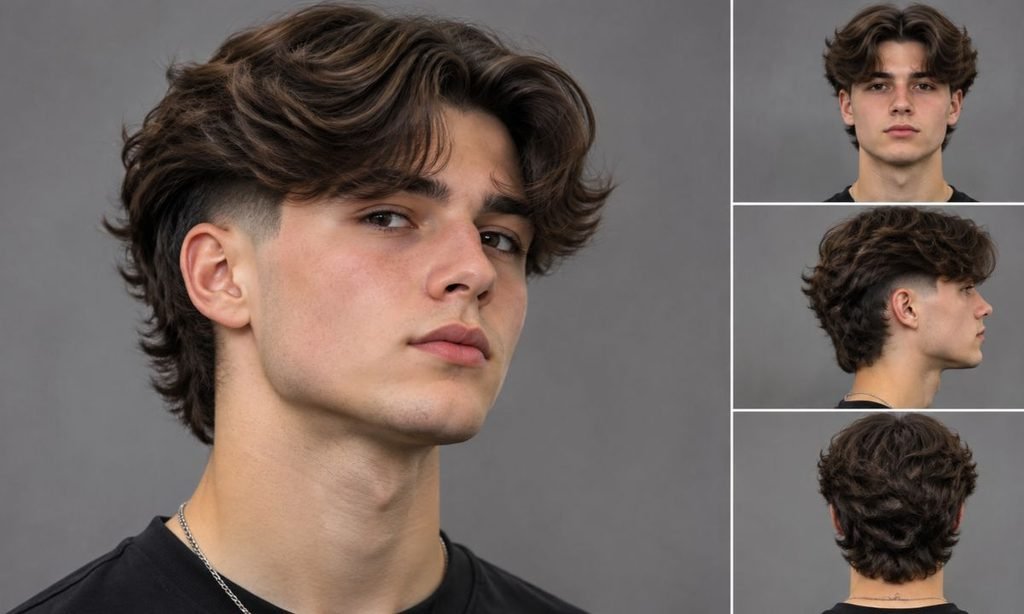
A taper fade shortens the sides and neckline gradually, leaving the top and back in full. It is cleaner than a heavy fade but still gives structure. The shape stays neat as it grows, which makes upkeep easier.
Undercut Curtain Mullet

An undercut removes length underneath while keeping the top and back long. When the hair is down, the shape looks soft; when pulled back, the shaved layer shows. It adds a hidden edge to a curtain mullet without changing the visible outline.
Fringe Heavy Curtain Mullet
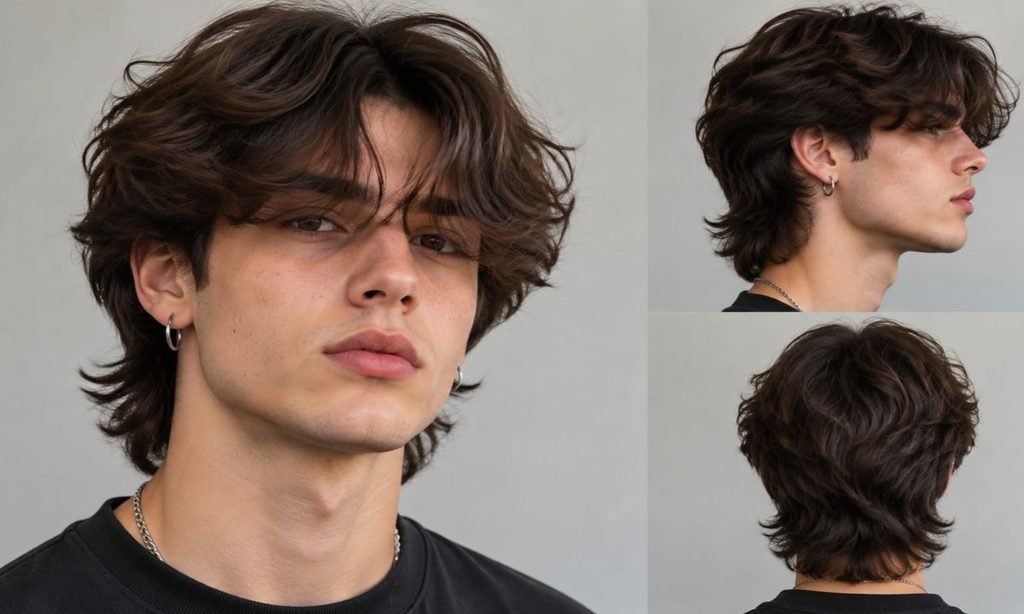
This version puts the focus on a thick, longer fringe that covers the forehead and frames the eyes. The back stays modest so the front becomes the main feature. Keep the fringe trimmed so it does not fall into your eyes.
Voluminous Curtain Mullet
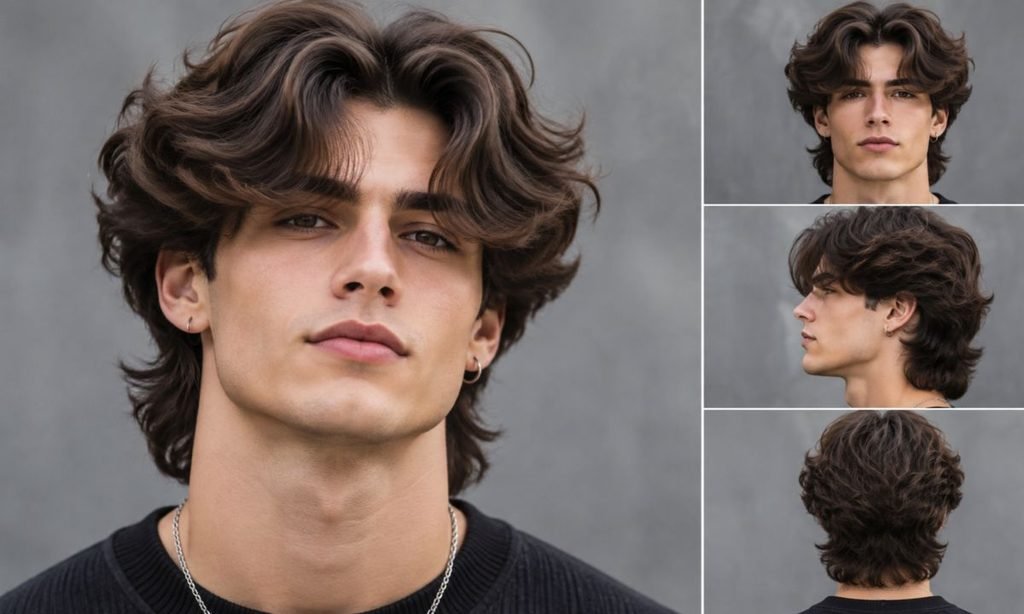
Volume comes from layered cutting and the right drying technique. Blow-drying the roots upward gives lift, while a light spray holds it in place. The airy shape looks full and suits hair that is naturally fine or flat.
Soft Curtain Mullet
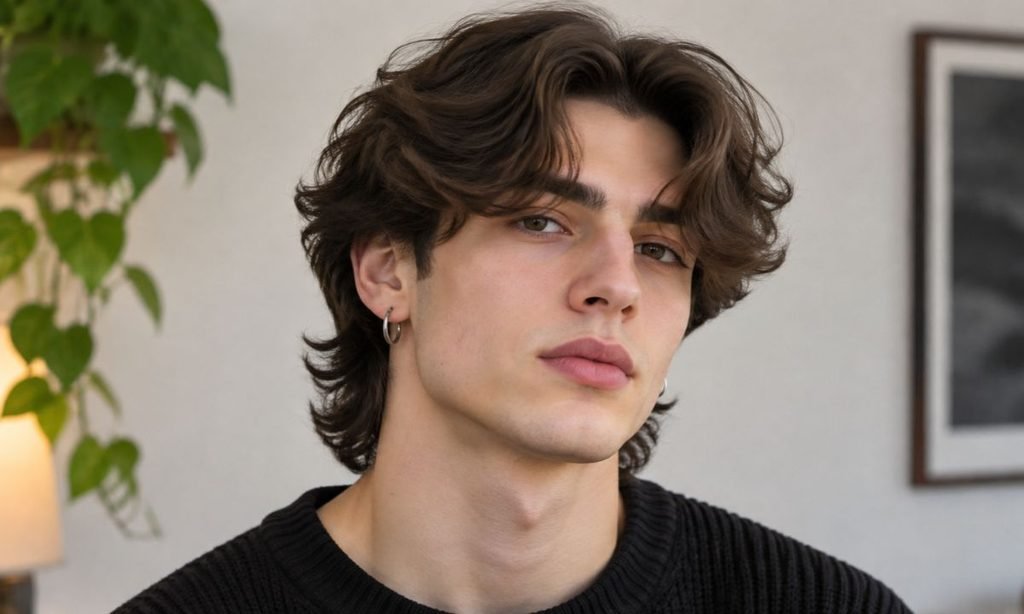
Soft versions use gentle layers and blended lengths, so nothing looks sharp or heavy. The fringe melts into the sides and the back is smooth. It is a calm, approachable option for anyone who prefers a quieter style.
Modern Curtain Mullet
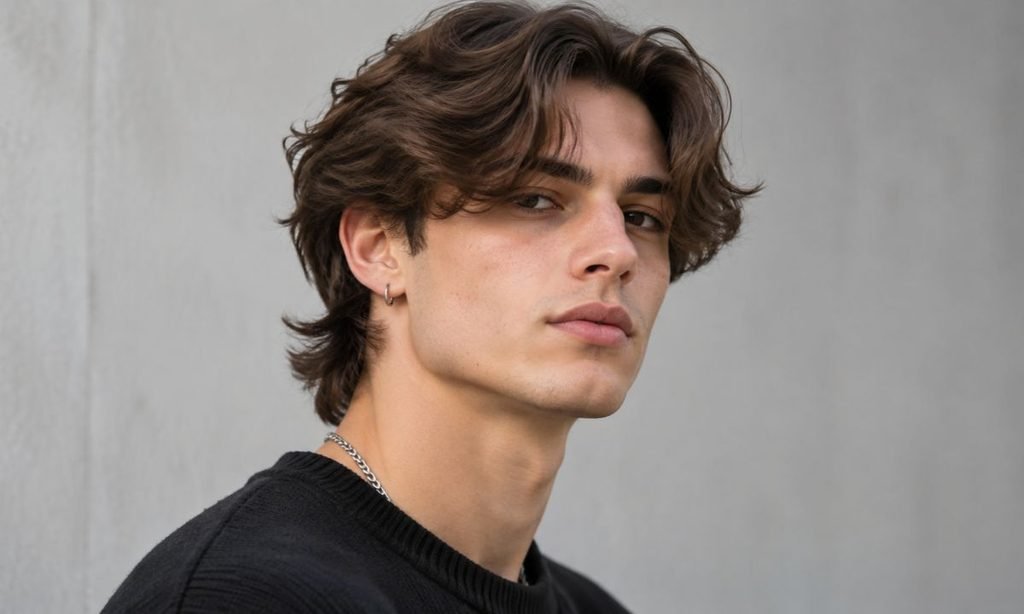
A modern take mixes clean edges, light texture, and a trimmed back. The result looks current rather than nostalgic. It pairs well with a low fade and keeps the overall shape controlled and wearable.
Curtain Mullet with Highlights

Highlights add depth and make the layers easier to see. Subtle, face-framing tones around the fringe brighten the look, while bolder shades create a statement. Color-treated hair needs gentler care, so use a moisturizing shampoo and heat protection.
How to Style a Curtain Mullet
Styling a curtain mullet takes only a few minutes once you know the steps. The goal is to let the layers fall naturally while keeping the part and fringe in shape.
- Start with clean, damp hair. Towel-dry gently so the hair is damp, not dripping.
- Apply a light product. Use a texture spray or mousse for the body, or a curl cream if your hair is curly.
- Set the part. Comb the hair to the center or slightly off-center and let the fringe fall to each side.
- Dry with direction. Blow-dry the fringe away from the face with a round brush or your fingers, and lift the roots for volume.
- Shape the back. Scrunch or smooth the longer back section depending on your texture.
- Finish lightly. A small amount of paste or flexible hairspray holds the look without making it stiff.
If you prefer air drying, apply the product while the hair is damp and avoid touching it until it is nearly dry. This helps waves and curls form clean groups instead of frizz.
A few small habits make a big difference. Use less product than you think you need, because heavy products weigh the layers down. Keep a wide-tooth comb handy for quick fixes. And remember that the style looks best with a bit of natural movement, so perfect symmetry is not the goal.
Maintenance Tips
A curtain mullet stays attractive only if the shape is kept up. Most barbers suggest a trim every four to six weeks, although fades and shorter versions may need a visit sooner. Regular trims keep the fringe at the right length and stop the back from looking heavy.
Here are a few habits that help:
- Wash with a gentle shampoo. Harsh formulas can dry out the ends, which makes layers look frayed.
- Condition regularly. Longer lengths and razor-cut ends benefit from a conditioner or a weekly mask.
- Protect from heat. Use a heat protectant before blow-drying or using styling tools.
- Trim the fringe early. A small fringe trim between full haircuts keeps the front neat.
- Sleep smart. A silk pillowcase or a loose tie can reduce tangles and flattened layers.
If you color your hair, ask your stylist about aftercare, since dyed hair is more fragile. Tell your barber how the cut behaves at home, too. Small tweaks to layering or length can make daily styling much easier.
FAQs – curtain mullet
What is a curtain mullet?
It is a mullet with a center or off-center part, where the fringe falls to both sides like curtains. The top and sides are shorter, while the back is longer.
Is a curtain mullet suitable for all hair types?
It works on straight, wavy, and curly hair with the right layering. Very fine hair may need texture products, while thick hair benefits from thinning layers.
How do you style a curtain mullet?
Apply a light product to damp hair, set the part, and dry the fringe away from the face. Finish with a little paste or spray for hold.
What face shape suits a curtain mullet best?
Oval and heart-shaped faces are often a good fit, but a skilled barber can adjust the fringe and layers to flatter round, square, and long faces too.
How often should you trim a curtain mullet?
A trim every four to six weeks keeps the shape neat. Fades may need more frequent visits.
Conclusion
The curtain mullet has earned its place because it balances boldness with practicality. With 24 variations, there is a version for short or long hair, for fades or soft layers, and for every texture from straight to curly.
Choose the style that matches your hair type and daily routine, bring a few reference photos to your barber, and keep up with regular trims and gentle care. Done well, this cut gives you a fresh, confident look that is easy to wear throughout 2026.

Meet Olivia Bennett, a passionate hair and beauty writer at ClearN Haven, sharing trendy haircuts, stunning hairstyles, and expert tips for beautiful hair.
1 thought on “Stylish Curtain Mullet Haircuts for a Fresh Look 2026”