

A mullet fade haircut blends the bold, layered length of a classic mullet with the clean, sharp finish of a modern fade. The result feels edgy yet tidy, which is why barbers and style fans keep coming back to it in 2026. It works on straight, wavy, and curly hair, and it adapts to almost any lifestyle.
In this guide, you will find 24 popular styles, from low and skin fades to curly, textured, and razor cut options. You will also learn how to maintain the cut between barber visits and which styling products give the best hold. Use it to pick a look that suits your face shape and hair type.
Modern mullet low fade
The modern mullet low fade keeps the sides tight but starts the fade just above the ears. The crown and nape stay longer, which creates a soft, connected shape. Because the low taper keeps the profile neat, this version suits office-friendly looks. Ask your barber for blended layers on top and a lightly tapered back so the length flows naturally. It is a reliable starting point if you are trying a mullet fade haircut for the first time.
Mullet fade haircut curly

Curls add natural volume and movement to the mullet shape. The top and back stay in loose, defined spirals while the sides fade down cleanly. Layering matters here, since it removes bulk and stops the hair from forming a triangle outline. A curly mullet fade haircut looks best when the curls are moisturized, so use a curl cream or leave-in conditioner and let the hair air dry or diffuse it gently.
Read Related Post: 42 Mullet Curly Hair Styles for Women Trendy Ideas
Mullet fade haircut men
For men, the mullet fade is a flexible option that can look rugged, polished, or playful. The fade can sit low, mid, or high, depending on how strong you want the contrast. Men with thick hair often enjoy the shorter sides because they reduce weight and heat. A mullet fade haircut also pairs well with a trimmed beard, which frames the jawline and balances the longer lengths at the back.
Mullet haircut

The classic mullet is short at the front and sides and long at the back. It became famous in the 1980s and has been reworked many times since. Modern versions often add a fade to clean up the sides and soften the heavy, boxy look of the original. That small change turns the traditional shape into a mullet fade haircut that feels current, wearable, and easy to style every morning.
Low fade haircut
A low fade starts the gradient close to the ear and the nape, leaving most of the side hair intact. It is the safest fade for people who want a subtle change. When combined with mullet length at the back, it gives a smooth shape without harsh contrast. A low-fade mullet fade haircut also grows out gracefully, so you can stretch the time between barber visits without losing the overall outline.
Mullet fade Haircut Short

Not everyone wants dramatic length. A short mullet keeps the back just past the collar and the top at a modest, textured height. The fade on the sides keeps the whole look sharp and balanced. This cut is ideal for people who prefer low-maintenance grooming or work in places with relaxed dress codes. A short mullet fade haircut is also a gentle way to test the trend before committing to longer lengths.
Mid fade mullet haircut
A mid fade begins around the temples, halfway between a low and a high fade. It offers a clear contrast between the short sides and the longer top and back. This balance makes the mid fade popular among barbers, because it flatters most head shapes. Pair it with soft layers and a tapered neckline, and you get a mullet fade haircut that looks modern, structured, and confident without feeling extreme.
Best Mullet Fade Haircut Styles
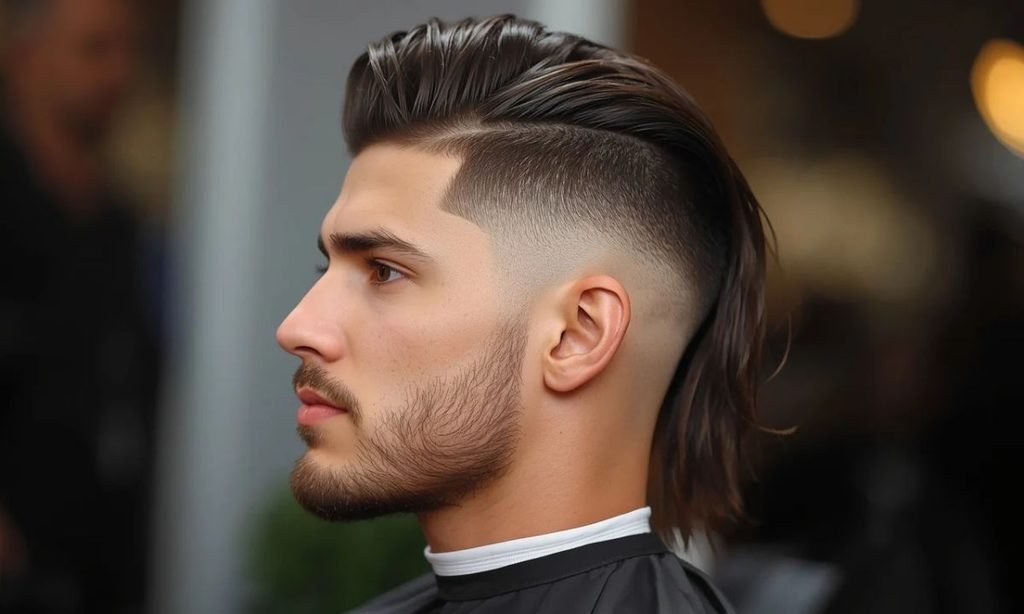
These styles cover different fade heights, hair textures, and levels of boldness. Every mullet fade haircut below can be adjusted to your hair density, face shape, and daily routine, so treat each one as a reference to show your barber.
Face shape plays a big role in choosing the right cut. Oval faces suit almost every fade height, while round faces look sharper with a mid or high fade and extra height on top. Square faces pair well with softer layers that balance a strong jawline, and long faces benefit from a fringe that shortens the forehead. Hair density matters too. Thick hair handles longer layers and heavy texture, whereas fine hair usually looks fuller with shorter, tapered lengths. Keep these points in mind as you scroll, and note which mullet fade haircut styles match both your face and your hair.
Burst Fade Mullet

A burst fade curves around the ear in a semicircle and leaves the length at the back untouched for the mullet. The rounded shape makes the nape stand out and adds a distinctive edge. It works well with textured tops and curly hair because the fade frames the natural volume. Ask for a clean, sharply defined arc so the contrast stays crisp. It is one of the most eye-catching options in any mullet fade haircut lineup.
Low Fade Mullet
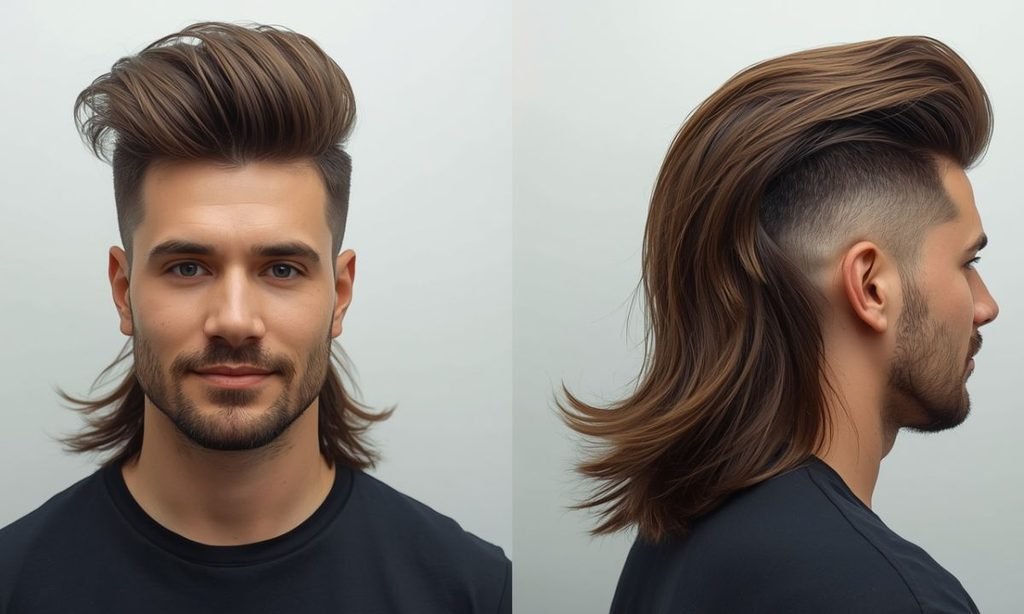
The low fade mullet keeps the gradient close to the hairline, so the cut stays subtle and professional. The top is layered for movement, and the back is long enough to show the mullet shape. It suits people who want an easy transition from a standard haircut. Regular neckline cleanups keep the outline tidy, and the longer sections can be styled with a light cream or sea salt spray.
Mid Fade Mullet
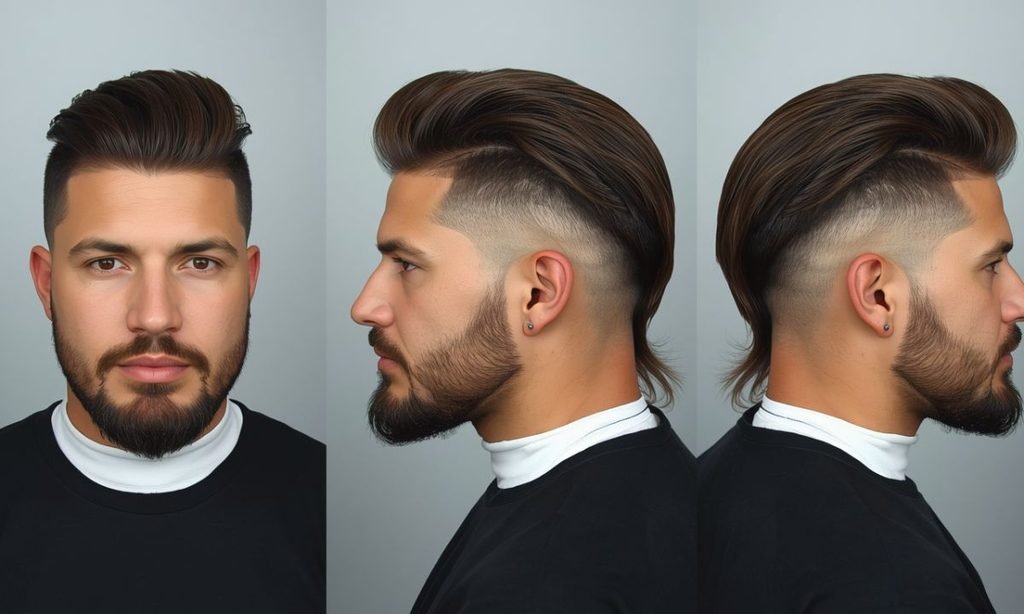
A mid fade mullet sits halfway up the sides, giving a balanced and structured profile. The shorter sides highlight your cheekbones and jawline, while the longer back adds personality. Because it offers clear contrast, it looks great with slicked or tousled tops. If you are unsure which height to choose, a mid fade is usually the most flattering middle ground for oval and square face shapes.
Skin Fade Mullet

A skin fade, also called a bald fade, takes the sides down to bare skin before blending upward. Combined with a long, layered back, it creates a sharp contrast that looks bold and modern. It needs frequent touch-ups, usually every two to three weeks, to stay crisp. A skin mullet fade haircut suits those who love clean lines and do not mind regular barber visits.
Taper Fade Mullet
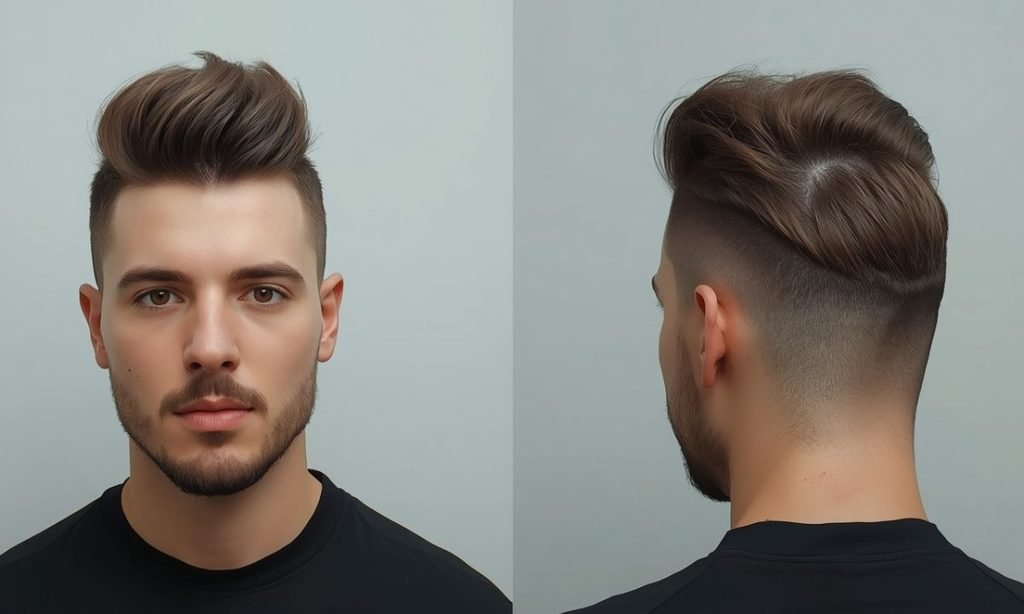
A taper fade gradually shortens the hair around the ears and neckline without going down to the skin. It is a softer alternative to a skin fade and looks natural as it grows out. Paired with a mullet, it keeps the cut neat while preserving length at the back. This makes it an excellent pick for beginners who want a versatile, conservative, and easy-to-maintain cut.
Curly Mullet Fade
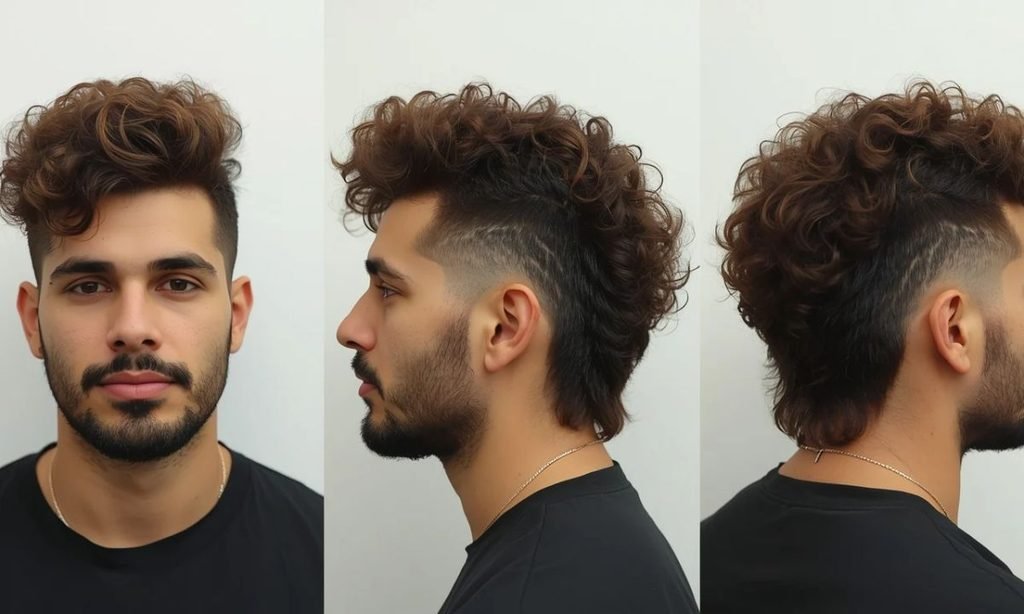
Curly hair and mullets are a natural match. Loose waves or tight coils add volume at the crown, and the fade removes extra bulk from the sides. A curly mullet fade haircut needs layered cutting to keep the curl pattern balanced, and a moisturizing routine to prevent frizz. Use a curl-defining cream, scrunch gently, and avoid brushing dry curls so the shape and definition stay intact.
Wavy Mullet Fade

Wavy hair gives the mullet a relaxed, beachy feel. The fade keeps the sides controlled while the waves on top and at the back move freely. Light layering helps the waves sit well without puffing out. A little sea salt spray enhances the natural bend, and a diffuser can add lift. This style is ideal for anyone with medium-thick hair and a casual wardrobe.
Textured Mullet Fade
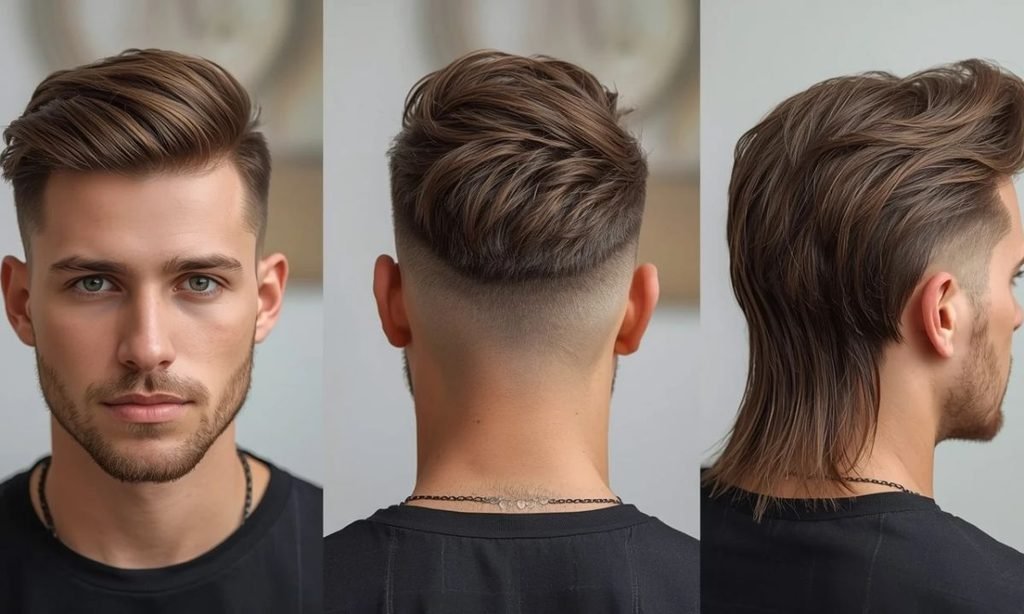
A textured mullet fade relies on choppy layers and point cutting to create separation and movement. Instead of a smooth, uniform finish, the hair looks lively and slightly messy by design. Apply matte clay or paste to dry hair and scrunch it through the ends. The fade at the sides keeps the look sharp, so the texture on top feels intentional rather than untidy. Every mullet fade haircut gains depth with this approach.
Modern Mullet Fade

The modern mullet fade is cleaner and more refined than the retro original. Sides are faded neatly, the top carries soft, face-framing layers, and the back is trimmed into a gentle taper instead of a heavy block. The overall shape looks intentional and polished. A modern mullet fade haircut works in casual and creative settings, and a small amount of styling cream is enough to keep the layers defined throughout the day.
Mohawk Mullet Fade
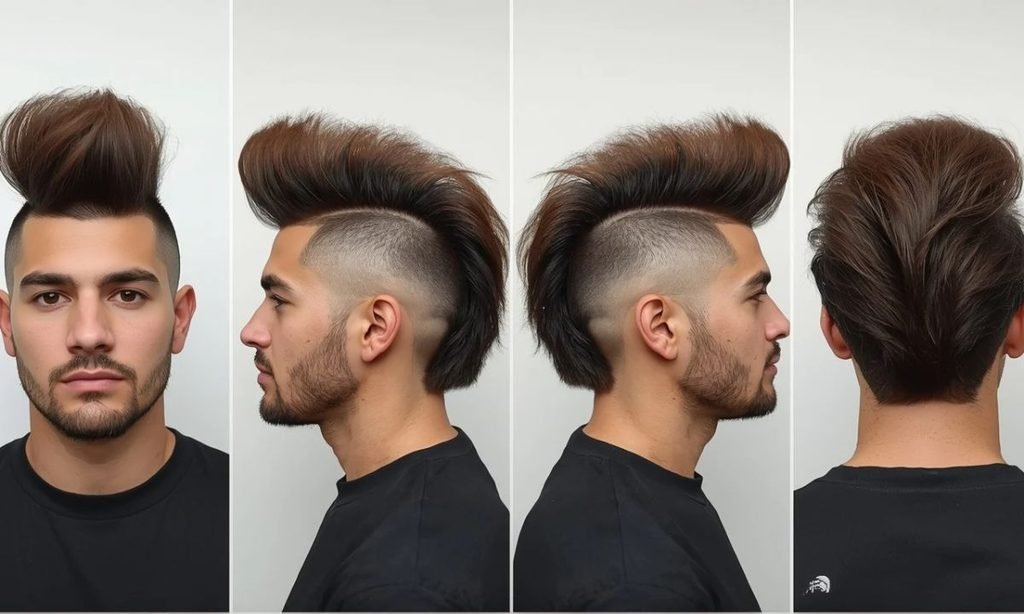
This bold cut combines a central strip of longer hair with faded sides and a mullet-style back. The mohawk section can be spiked, brushed back, or left loose for a rock-inspired look. High-contrast fades make the central strip stand out, so the sides are usually kept very short. It is a daring choice for people who enjoy attention and do not mind investing time in styling each morning.
Short Mullet Fade
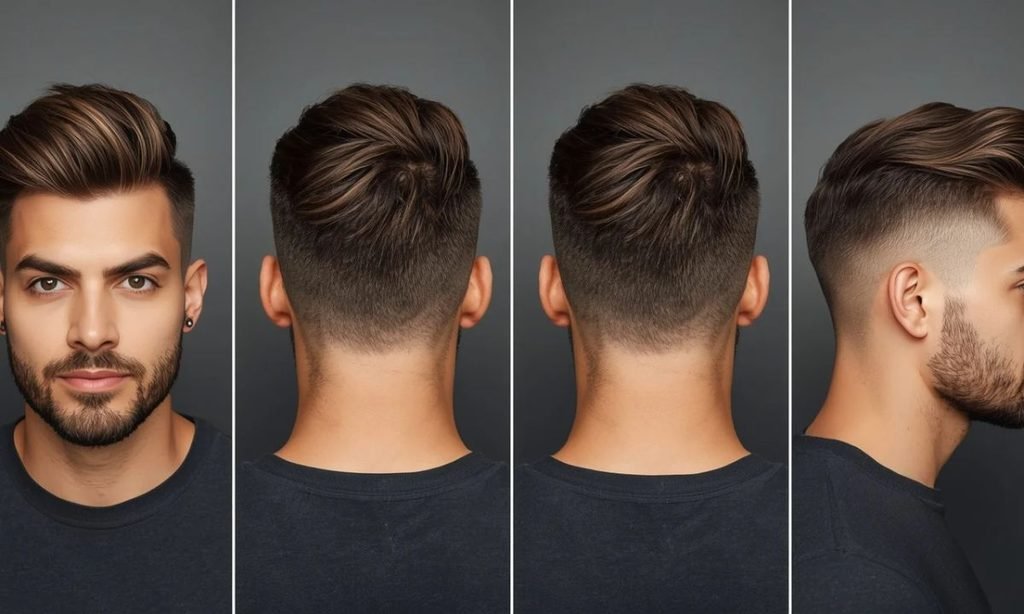
A short mullet fade trims the top to a manageable length and keeps only a small tail at the back. It is practical for active people and for those with limited styling time. The tight fade keeps the sides clean, and the shorter lengths make washing and drying quick. A short mullet fade haircut also suits finer hair, since less length reduces the chance of the style looking flat or stringy.
Long Mullet Fade
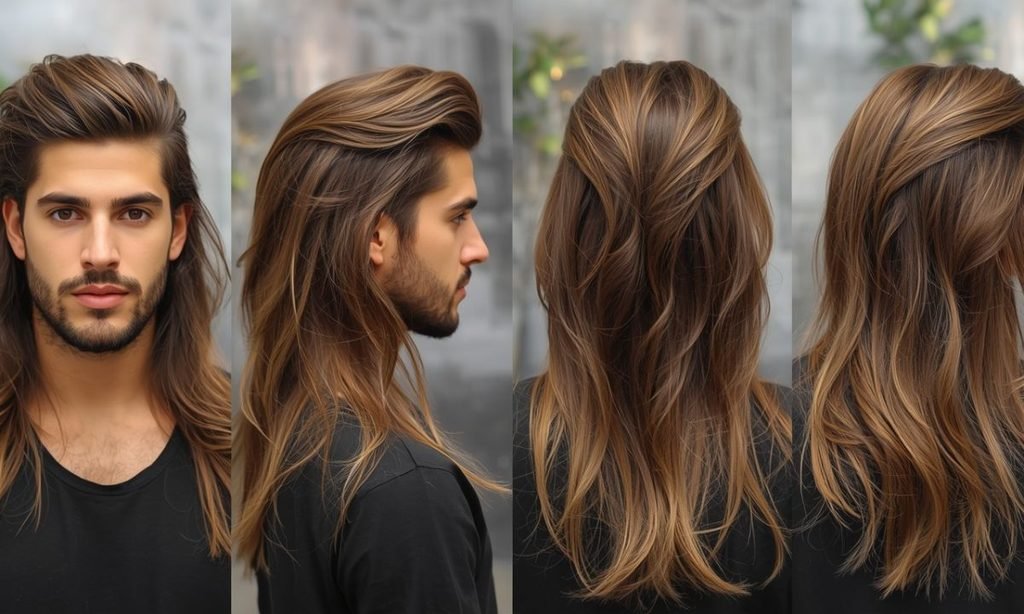
Long versions let the back grow past the shoulders while the sides stay faded and controlled. The dramatic length creates strong movement, especially in wavy or thick hair. To avoid a stringy finish, ask your barber for long layers and regular trims on the ends. Conditioning is essential here, as longer hair is more prone to dryness and split ends, particularly if you heat-style often.
Razor Cut Mullet Fade
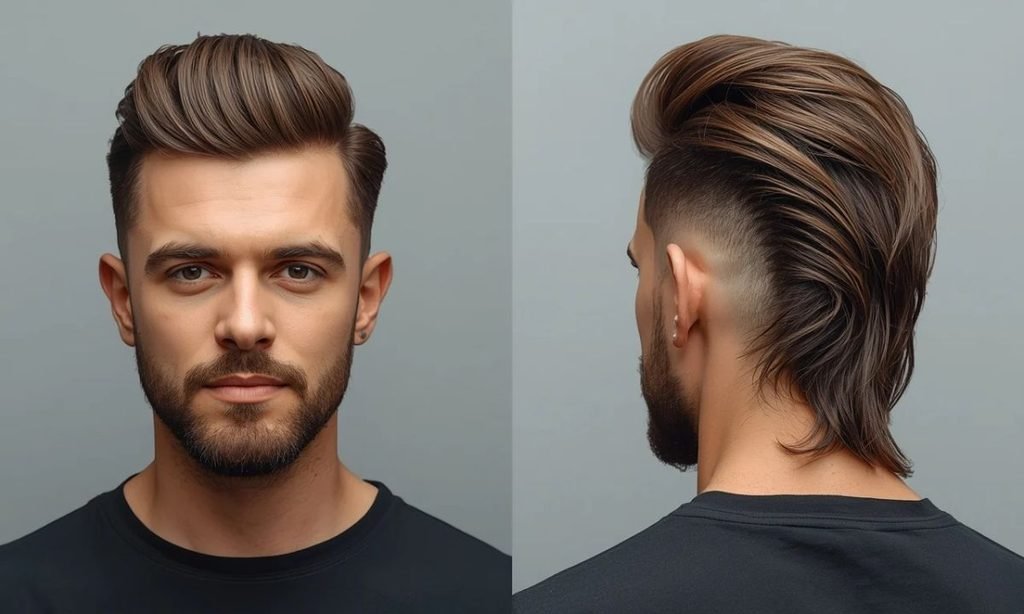
A razor cut uses a straight razor to shave texture into the layers, producing feathered, lightweight ends. The result is a soft, slightly wispy mullet that moves easily. Combined with a clean fade at the sides, it offers a sharp-meets-soft contrast. This technique suits straight to wavy hair, but it can cause frizz on very dry hair, so a mullet fade haircut with razor layers needs consistent moisture.
Drop Fade Mullet
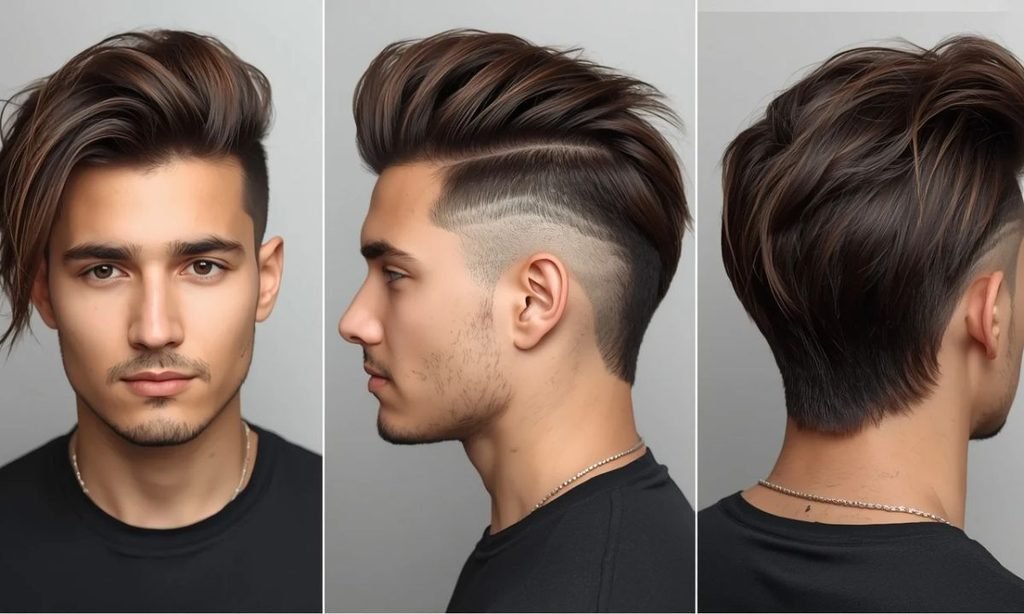
A drop fade follows the curve of the head, dipping lower behind the ear before it reaches the nape. This arc creates a flowing, sculpted outline that works beautifully with the downward line of a mullet. It looks especially sharp from the side and back, which makes it popular among people who want a noticeable but still tidy finish. Ask for a smooth, even blend with no visible lines.
Slick Back Mullet Fade

Slicking the top back with pomade or gel gives the mullet a polished, almost vintage feel. The faded sides add a modern contrast, and the length at the back flows naturally from the slicked top. It works well for formal events, evenings out, and workplaces that appreciate neat grooming. Use a water-based pomade for a flexible hold, and comb the hair through while it is slightly damp.
Fringe Mullet Fade

This version adds a textured fringe or bangs across the forehead, balancing the length at the back with a soft front. The fringe can be cut straight, side-swept, or choppy, depending on your face shape. Faded sides keep the look from feeling heavy. A fringe-focused mullet fade haircut suits oval and long faces, and it needs a trim every few weeks so the fringe does not fall into your eyes.
Blowout Mullet Fade
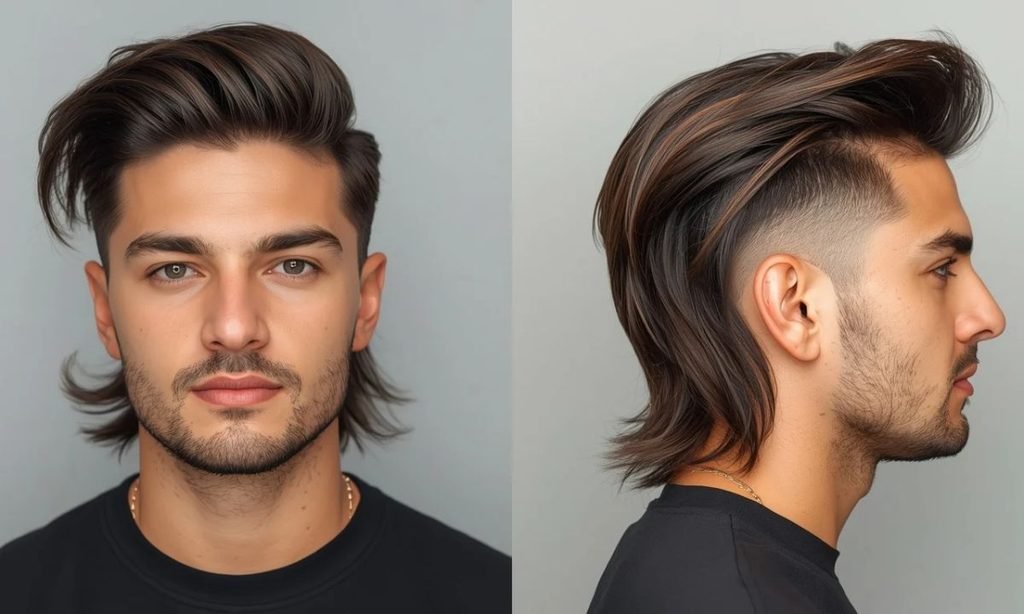
A blowout adds lift and volume to the top, creating a full, airy shape that contrasts with the tight fade at the sides. Dry the hair with a round brush or your fingers while directing it upward and back. A light-hold mousse or volumizing spray keeps the height in place. This mullet fade haircut is a strong pick for thick or wavy hair, because the volume looks natural rather than forced.
Shaggy Mullet Fade

The shaggy mullet leans into layers, choppy ends, and a deliberately undone look. When paired with a fade, the shaggy texture feels controlled instead of messy. The hair is cut in uneven layers that overlap around the crown and nape. Sea salt spray or texture powder brings out the grit. It suits relaxed personalities and works especially well on hair with natural wave or slight curl.
Undercut Mullet Fade
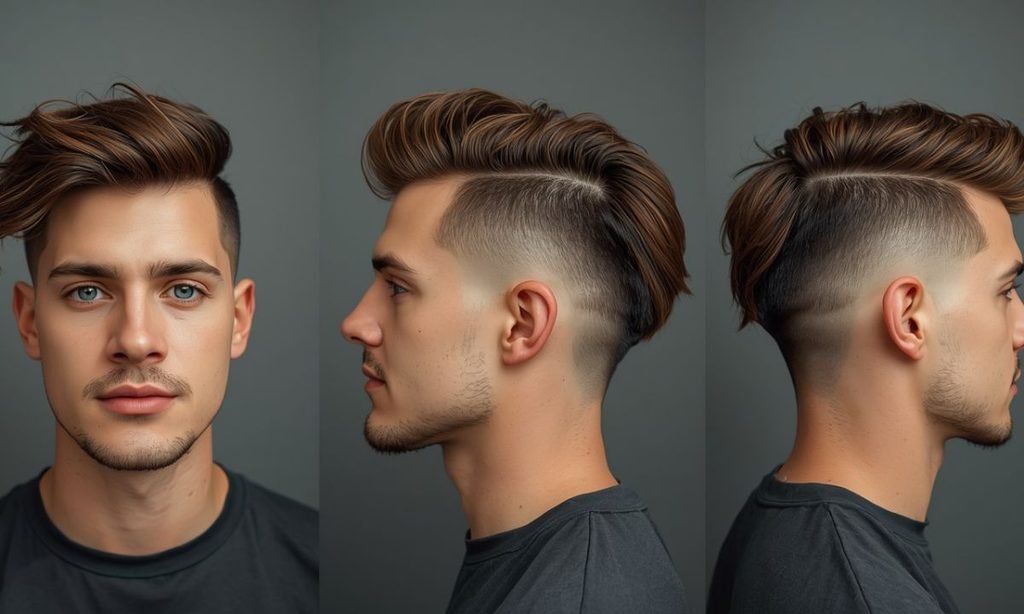
An undercut removes length from the sides and back of the head sharply, leaving a clear line between the short and long sections. In a mullet version, the longer top connects to a tail at the back while the sides are faded short. The contrast is dramatic and modern. Because the disconnection is obvious, keep the lines clean with regular clipper work, and style the length with a strong-hold product.
Asian Style Mullet Fade
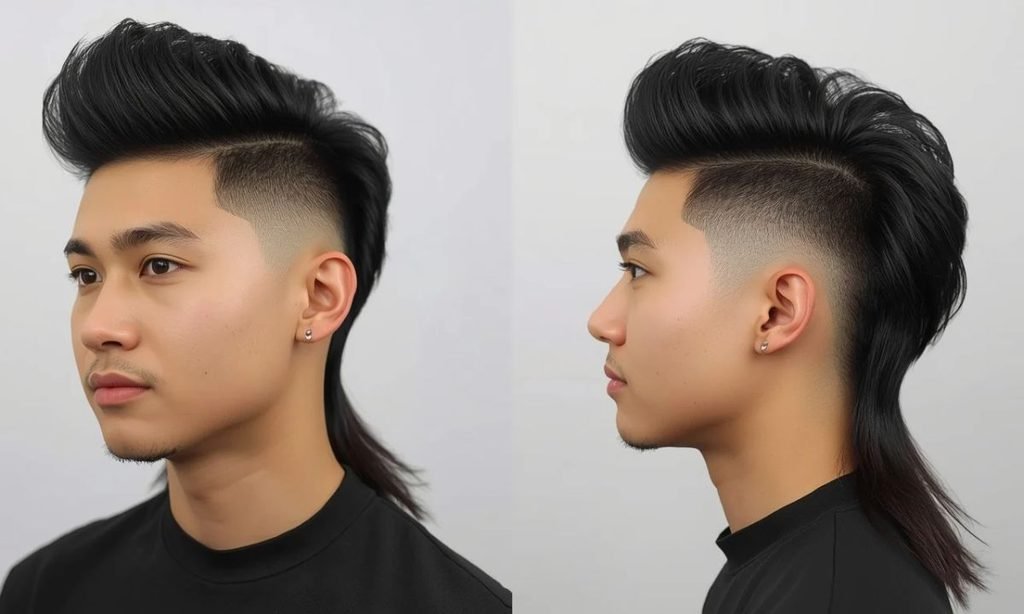
This style adapts the mullet for straight, thick, dark hair, which is common in East and Southeast Asian hair types. Barbers often use point cutting to remove weight and add a light, airy movement. A soft fringe and a tapered fade keep the look youthful and clean. A mullet fade haircut like this is popular in current street fashion, and it holds shape well with a matte paste.
French Crop Mullet Fade

The French crop traditionally features a short, textured top with a straight, cropped fringe. Blending it with a mullet adds a longer back while keeping the front neat and low-maintenance. The faded sides add structure. This hybrid works well for straight or slightly wavy hair, and it gives a smart, European-inspired finish that suits both casual outfits and tailored clothing.
Spiky Mullet Fade
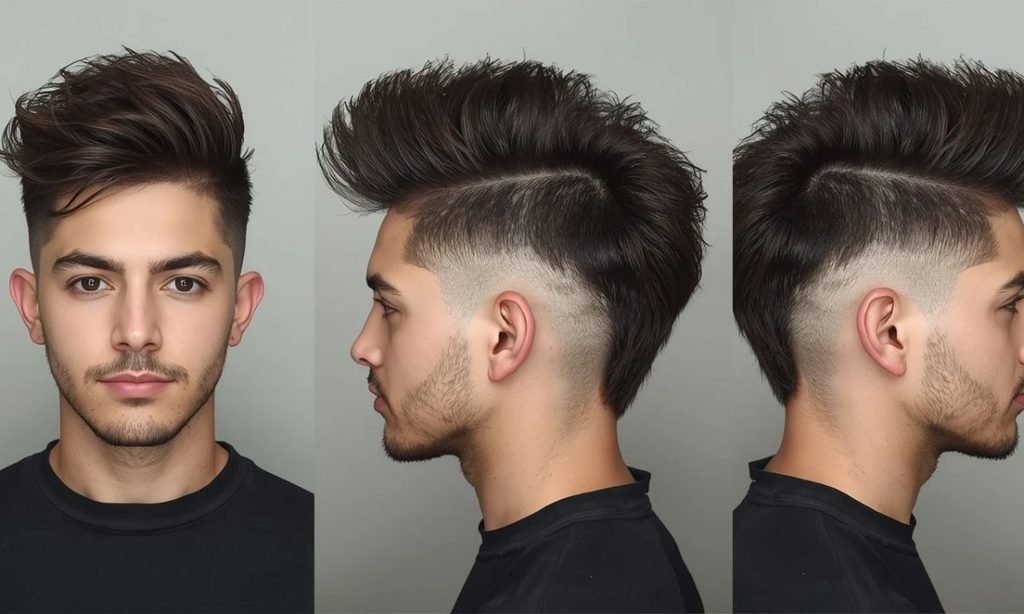
Spiky tops add height and energy to the mullet silhouette. Short, textured spikes are created with a strong-hold gel or clay, then left to set. The fade keeps the sides compact, which makes the spikes look sharper. This is an excellent choice for younger wearers, festivals, or anyone wanting a playful look. Wash the product out thoroughly each night to protect the scalp from buildup.
Fluffy Mullet Fade
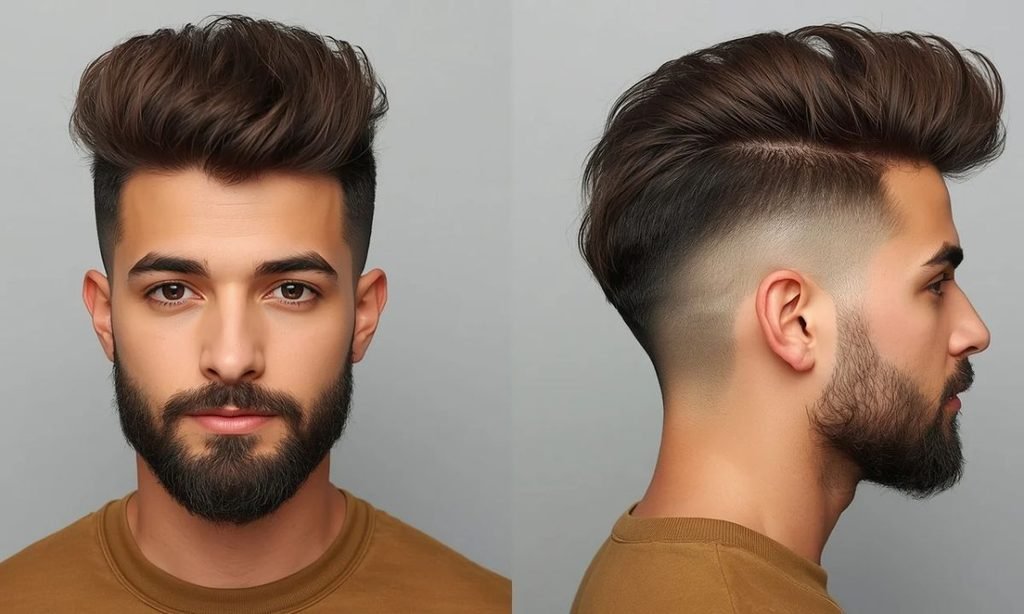
A fluffy mullet fade focuses on soft, airy volume, usually achieved with layers and a gentle blow-dry. The hair appears light and slightly tousled, with the fade giving the sides a neat boundary. It is best for fine to medium hair that benefits from added body. A lightweight volumizing product works better than heavy pomade, which would flatten the fluffy texture.
Athletic Mullet Fade
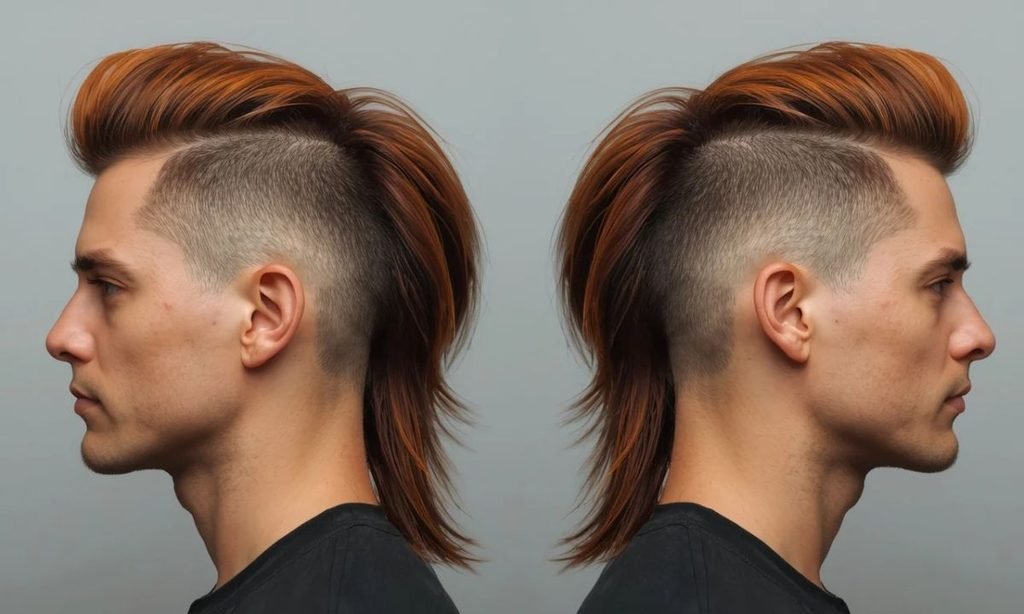
An athletic mullet fade is built for movement and low upkeep. The top is moderately short, the sides are tightly faded, and the back is kept just long enough to define the mullet. It stays comfortable during workouts and dries fast after a shower. A sporty mullet fade haircut like this is ideal for gym lovers, runners, and team players who want to look sharp without constant styling.
How to Maintain a Mullet Fade Haircut
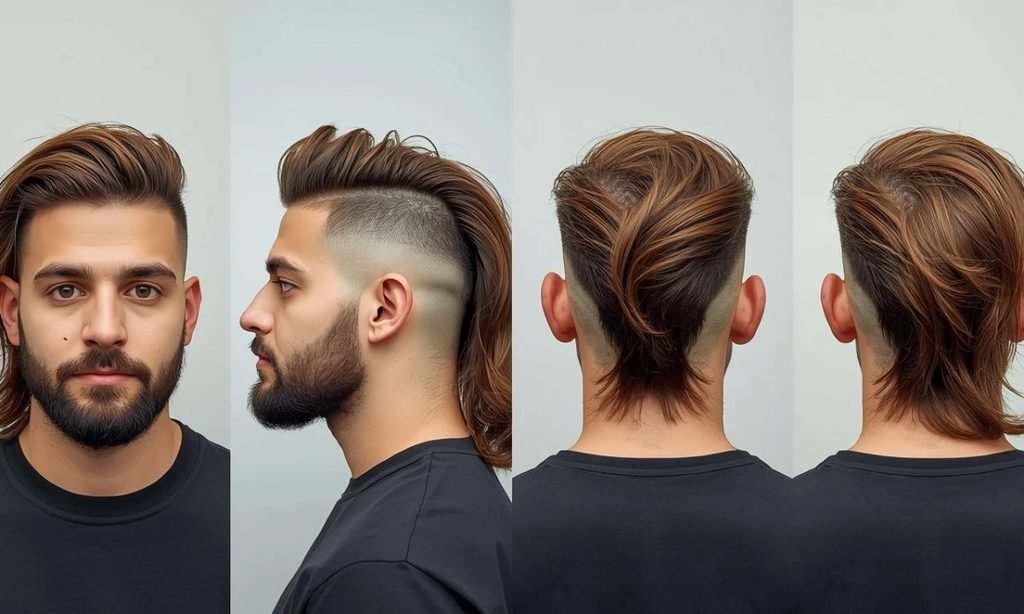
A mullet fade haircut looks its best when the fade stays crisp and the longer sections stay healthy. A simple routine is enough to keep both in shape.
- Trim on schedule: visit your barber every three to four weeks to refresh the fade and neckline. Skin fades may need a touch-up every two to three weeks.
- Wash smartly: shampoo two to three times a week with a gentle formula. Over-washing strips natural oils and dries out the longer back.
- Condition the length: apply conditioner to the mid-lengths and ends, especially on curly, wavy, or long hair.
- Protect from heat: use a heat protectant before blow-drying or diffusing to limit damage and split ends.
- Detangle gently: use a wide-tooth comb or your fingers, starting from the ends and working upward.
- Reduce friction at night: a silk or satin pillowcase helps prevent frizz and tangles.
Between visits, a clean neckline makes a big difference. A mullet fade haircut grows out unevenly if the nape is ignored, so a quick tidy with a trimmer can extend the life of the cut. If you are not confident, leave this step to your barber.
Scalp care matters too. Exfoliate gently once a week and rinse out styling products fully. Healthy hair holds layers better, and a mullet fade haircut with healthy ends looks fuller and less frizzy.
Finally, communicate clearly with your barber. Bring reference photos, name the fade height, and describe the length you want at the back. A well-explained request keeps every mullet fade haircut consistent from visit to visit.
Best Styling Products for Mullet Fade Haircuts
The right product depends on your hair type and the finish you want. Choose lightweight formulas for fine hair and stronger holds for thick hair. Every mullet fade haircut benefits from products that add texture without weighing down the length.
- Sea salt spray: adds grit and a beachy finish to wavy and straight hair. Spray it on damp hair and scrunch.
- Matte clay: gives strong hold with a flat finish, which suits textured, spiky, and short styles.
- Texture paste: offers flexible hold for choppy layers, shaggy ends, and fringe.
- Pomade: a water-based option works for slick back looks, while oil-based versions add more shine.
- Curl cream: defines curls, reduces frizz, and adds moisture to a curly mullet fade haircut.
- Mousse or volumizing spray: adds lift for blowout and fluffy styles.
- Leave-in conditioner or hair oil: a small amount on the ends controls dryness in longer hair.
Start with a small amount, since too much product can make layers look greasy and heavy. Warm it between your palms, apply it to the ends first, and then work through the top. A mullet fade haircut looks best when the styling feels effortless.
If you are unsure what suits you, ask your barber for a recommendation. They can match a product to your hair texture, and a good mullet fade haircut routine can be built around just two or three products. Keep the rest of your routine simple and consistent, and your hair will respond well over time. Test new products for a week before deciding whether they work for your mullet fade haircut and daily schedule.
FAQ’s
Is a mullet fade haircut good for all hair types?
Yes, with the right adjustments. A mullet fade haircut suits straight, wavy, curly, and coily hair when the layers are cut for your texture. Very fine hair may need shorter lengths for added fullness.
How often should I trim a mullet fade haircut?
Trim every three to four weeks to keep the fade sharp. A mullet fade haircut with a skin fade may need a refresh every two to three weeks, while the longer back can wait slightly longer.
Which fade looks best with a mullet haircut?
A low or mid fade is the safest choice, since it flatters most face shapes. Pick a skin or burst fade for stronger contrast and a bolder mullet fade haircut.
Can a mullet fade haircut look professional?
Yes. A low or taper fade, neat layers, and a tidy neckline make a mullet fade haircut suitable for many workplaces. Styling the top back also gives a smarter finish.
What products should I use for a mullet fade haircut?
Sea salt spray, matte clay, texture paste, or curl cream work well, depending on your hair type. Add a leave-in conditioner or oil for the longer back to keep the cut healthy.
Is mullet a chapri haircut?
“Chapri” is a subjective slang label, not a rule. The mullet is worn by athletes, artists, and professionals worldwide. A clean mullet fade haircut with good grooming looks stylish, whatever label people attach.
What is the gen Z mullet?
The Gen Z mullet is a modern take with softer layers, faded sides, and a lighter, more textured back. A mullet fade haircut is the most common version, because the fade keeps the shape neat.
Is mullet allowed in Islam?
Scholars differ on this. Hair length for men is generally flexible, but many scholars discourage shaving part of the head while leaving the rest long.
Conclusion
A mullet fade haircut gives you a flexible way to combine length, structure, and personality. From a subtle low fade to a bold burst or skin fade, there is a version for almost every hair type, face shape, and lifestyle. The trend continues to grow because it feels creative without being hard to manage.
The best mullet fade haircut depends on your hair texture, your daily routine, and how much time you want to spend styling. Start with a clear reference photo, talk through the fade height with your barber, and keep up with regular trims so the shape stays clean.

Meet Olivia Bennett, a passionate hair and beauty writer at ClearN Haven, sharing trendy haircuts, stunning hairstyles, and expert tips for beautiful hair.
1 thought on “Top Mullet Fade Haircut Styles to Try in 2026 Guide”