

The mullet has moved far beyond its old reputation. Today, modern wavy mullet haircuts pair softer shapes with clean tapers and natural texture. The result is a cut that looks relaxed, current, and easy to personalize, whether your hair is naturally wavy or only has a slight bend.
This guide covers 32 styles, along with fades, medium lengths, and styling advice you can take straight to your barber. You will also learn what makes the cut different, who it suits, and how to keep it looking sharp between trims.
Modern wavy mullet haircuts male
Men’s modern wavy mullet haircuts keep the classic idea of shorter sides and a longer back, but the execution is far more refined. Instead of a harsh, choppy disconnect, barbers now blend the lengths so the cut flows from crown to nape. The waves do most of the visual work.
A typical male version has a textured top, tapered or faded sides, and a back section that sits at the neckline or just past the collar. The top can be styled forward into a loose fringe or swept back for a cleaner profile.
This flexibility is why the cut works in casual settings and, with a little product, in more polished ones too. Natural movement matters more than precision, so the cut should look lived-in rather than rigid.
Wavy mullet Fade
A wavy mullet fade combines soft, rolling waves on top with skin-short or closely cropped sides. The fade creates contrast, which makes the waves look fuller and more intentional. It is a popular choice for men who want a bold shape that still looks tidy.
Fades come in several heights: low, mid, high, and drop. A low fade keeps the look understated, while a high fade makes the length on top and in the back stand out more.
Fades need regular maintenance, so plan a barber visit every three to four weeks to keep the edges crisp. The longer sections can wait a little longer between trims.
Read Related Post: Modern Mullet Curly Hair
Modern wavy mullet haircuts female
Women are embracing modern wavy mullet haircuts too, usually with softer layering and a more feathered finish. The shape is similar, with shorter, face-framing layers at the front and sides and extra length through the back, but the transitions tend to be gentler.
For women, the cut often includes curtain bangs, wispy ends, and shag-style layers that bring out natural waves. It suits fine, medium, and thick hair, because the layers can be adjusted to add volume or remove bulk.
A stylist can also tailor the nape length and fringe to flatter your face shape. Air drying with a curl cream often gives a relaxed, effortless result.
Modern mullet
The modern mullet is a refined take on a polarizing classic. The sharp contrast of earlier decades has given way to blended layers, tapered sides, and textured lengths that look balanced from every angle. It is less of a statement and more of a style.
What separates it from older versions is the transition. Where the vintage cut jumped abruptly from short to long, the modern version moves gradually, so the shape looks cohesive. Texture is added with razor cutting or point cutting rather than blunt lines.
Because of this softer approach, the modern mullet suits a wider range of ages, hair types, and personal styles than most people expect.
Modern mullet low fade
A low fade keeps the sides clean while preserving more hair around the temples and ears. Paired with a mullet, it gives you a subtle edge without feeling extreme. This is often the best starting point for anyone trying the cut for the first time.
The fade begins just above the ear and curves toward the nape, then blends into the longer back section. It frames the face softly and keeps the focus on the texture above.
Men with wavy hair benefit from this version because the low fade leaves enough length on the sides to let natural movement show. It also grows out gracefully, which means fewer awkward phases between appointments.
Fade mullet haircut
A fade mullet haircut pushes the contrast further. The sides are cut shorter and blended into the skin, while the top and back keep their length. This creates a strong silhouette that looks sharp and deliberate.
Mid and high fades produce the most dramatic results, especially when the waves on top are full. A skin fade adds a clean, almost graphic quality, while a taper fade looks more natural.
If you choose this route, ask your barber to keep the transition smooth where the fade meets the longer hair. A well-blended connection is what keeps the cut looking modern rather than dated.
Wavy hair Mullet male
If you already have wavy hair, a mullet can work with your natural pattern instead of fighting it. Waves add built-in volume and movement, which saves styling time and gives the haircut a relaxed finish.
The key is cutting with your wave pattern in mind. Your barber should check how your hair bends when dry, because wet hair can hide the true shape. Layers cut too short may spring up, while slightly longer layers let the waves settle into a pleasing flow.
A light sea salt spray or texturizing cream is usually enough to define the waves. Avoid heavy gels, which can weigh the hair down and flatten the shape.
Medium mullet haircut
A medium mullet sits between a subtle cut and a full statement. The back reaches the nape or lightly touches the collar, while the top has enough length to style forward, sideways, or back. It is practical, versatile, and easy to maintain.
This length suits men who want to try the trend without committing to long hair. It also works well in professional environments, since you can slick it back or tidy it with a little product.
Medium lengths are also forgiving as they grow out. If you ever want to change direction, you can trim the back or let the length continue without much awkwardness.
What Makes the Modern Wavy Mullet Unique?
What makes modern wavy mullet haircuts stand out is the balance between structure and softness. Older mullets relied on a hard contrast between short and long, while today’s versions focus on blending, texture, and natural movement.
Waves play a major role. They add depth, volume, and a casual finish that straight hair rarely achieves without effort. Even a slight bend can be enhanced with layering and light product.
Another difference is customization. Fades, fringes, layers, and lengths can all be adjusted to suit your face shape, hair density, and lifestyle. That is why no two modern wavy mullets look exactly the same, and why the cut has become so popular across so many hair types.
32 Modern Wavy Mullet Styles
Below are 32 variations to help you find a shape that fits your hair and your taste. Each one can be adjusted with your barber, so use them as starting points rather than strict rules.
Soft Textured Wavy Mullet
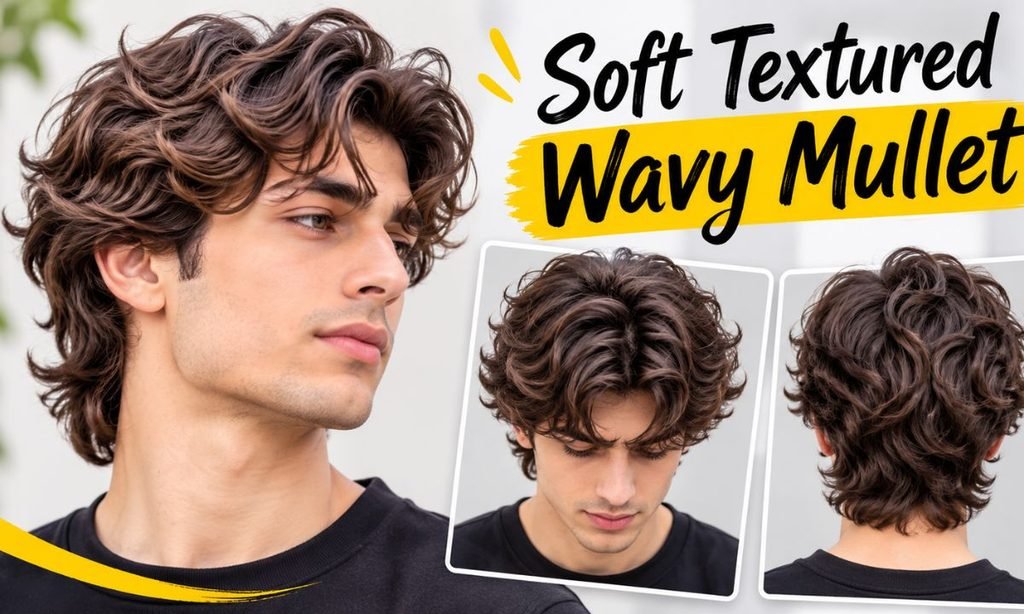
This version uses gentle layering and texturizing to create a relaxed, airy finish. The top has enough movement to look natural, and the back blends in without a hard edge. It is a safe, flattering option for most modern wavy mullet haircuts fans.
Low Fade Wavy Mullet
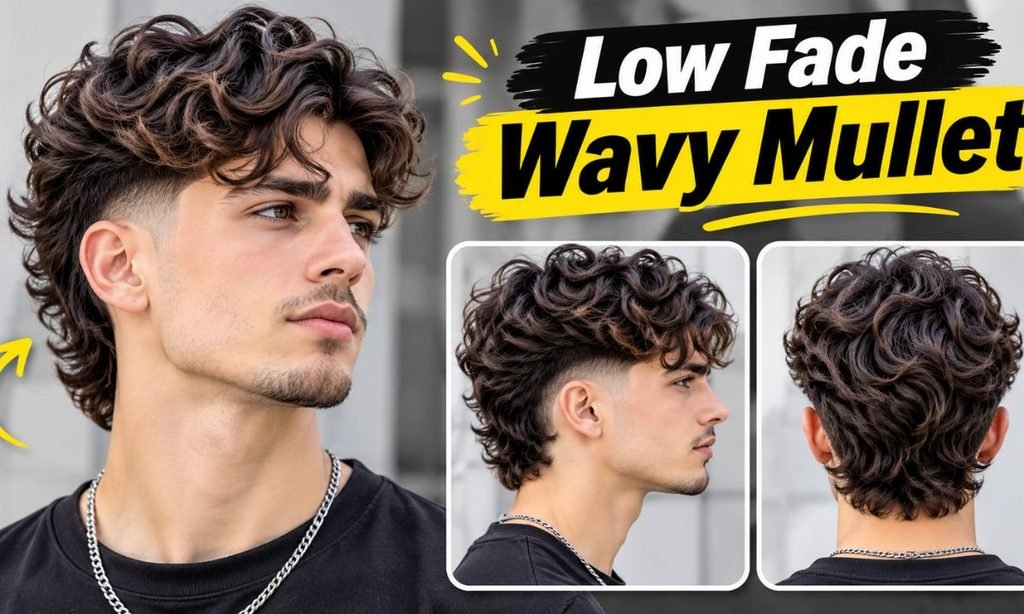
A low fade keeps the sides neat while the waves on top and in the back do the talking. It is subtle, polished, and easy to wear every day. This is a strong pick if you want a clean outline.
High Contrast Wavy Mullet
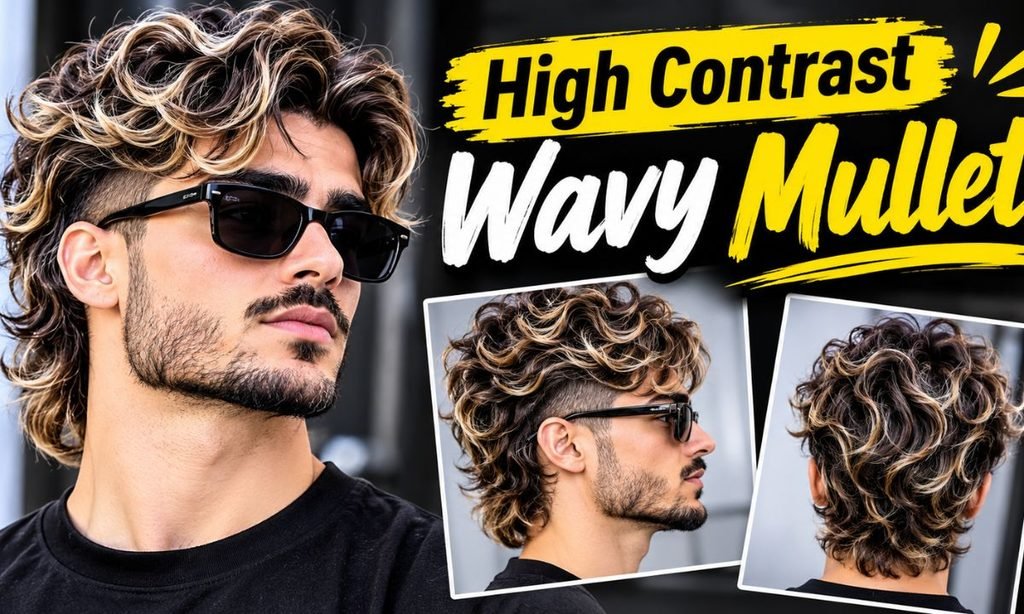
Here the sides are cut very short while the top and back stay noticeably longer. The contrast gives the waves extra presence. It suits men who want a confident, visible statement.
Shag-Inspired Wavy Mullet
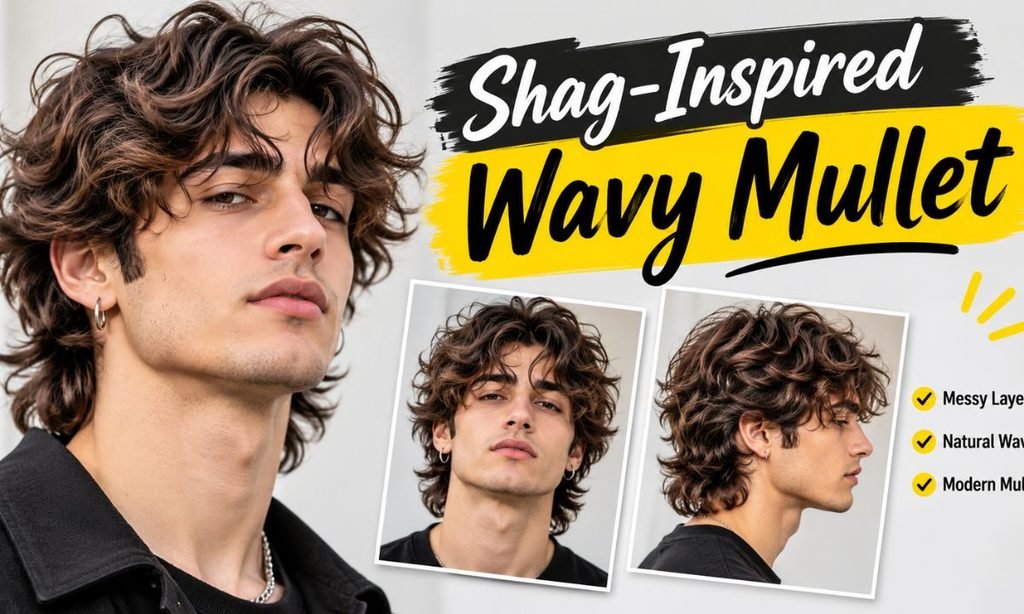
Choppy, layered pieces give this cut a lived-in, rock-inspired feel. The layers add volume at the crown and movement through the back. It works especially well on medium to thick hair.
Curtain Fringe Wavy Mullet
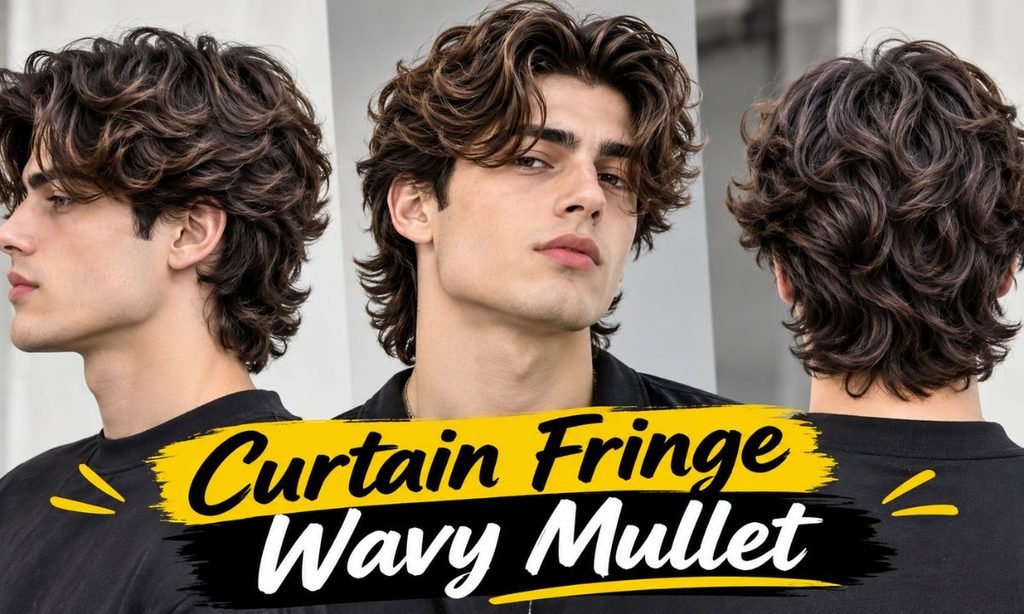
The fringe parts in the middle and falls to each side, framing the face. Paired with wavy lengths at the back, it creates a soft, retro look. Slightly longer hair on top makes the parting easier to style.
Layered Volume Wavy Mullet
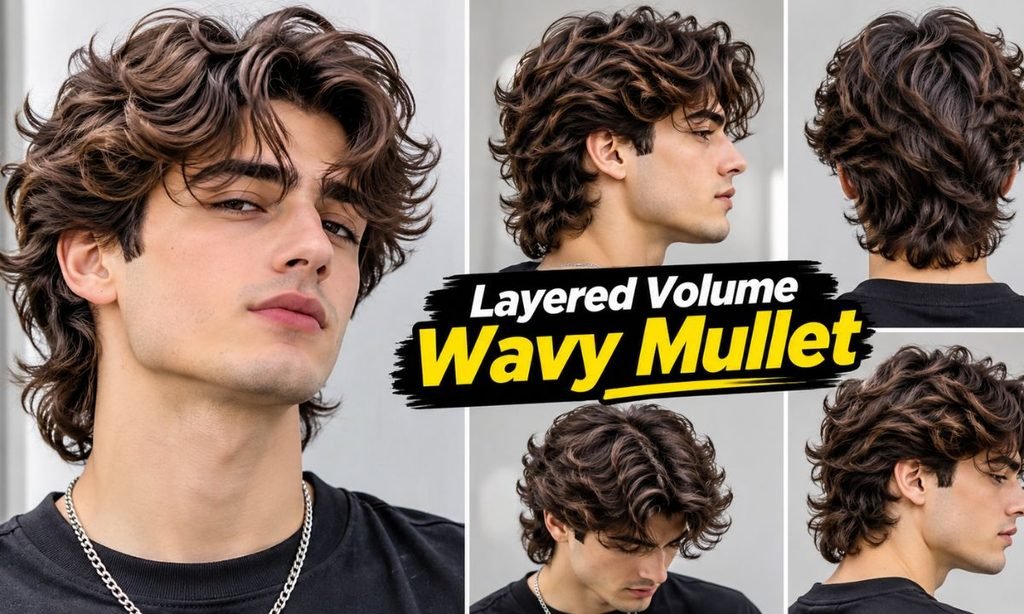
Multiple layers add lift and body, which is useful for hair that tends to sit flat. The layers also help waves stack neatly instead of falling in one heavy mass. A light mousse enhances the effect.
Undercut Wavy Mullet

The lower portion of the head is shaved or clipped short, while the upper layers stay long. This produces a sharp separation that makes waves stand out. It is bold, modern, and low-maintenance on the sides.
Natural Flow Wavy Mullet

This style lets your hair fall in its own pattern with minimal shaping. Cutting focuses on removing bulk and refining the ends. It is ideal if you prefer an easy, wash-and-go routine.
Mid Fade Wavy Mullet
A mid fade starts around the temple level, giving a balance between a low and a high fade. It keeps the sides tidy and lets the top look fuller. Many barbers recommend it as a middle ground.
Long Back Wavy Mullet
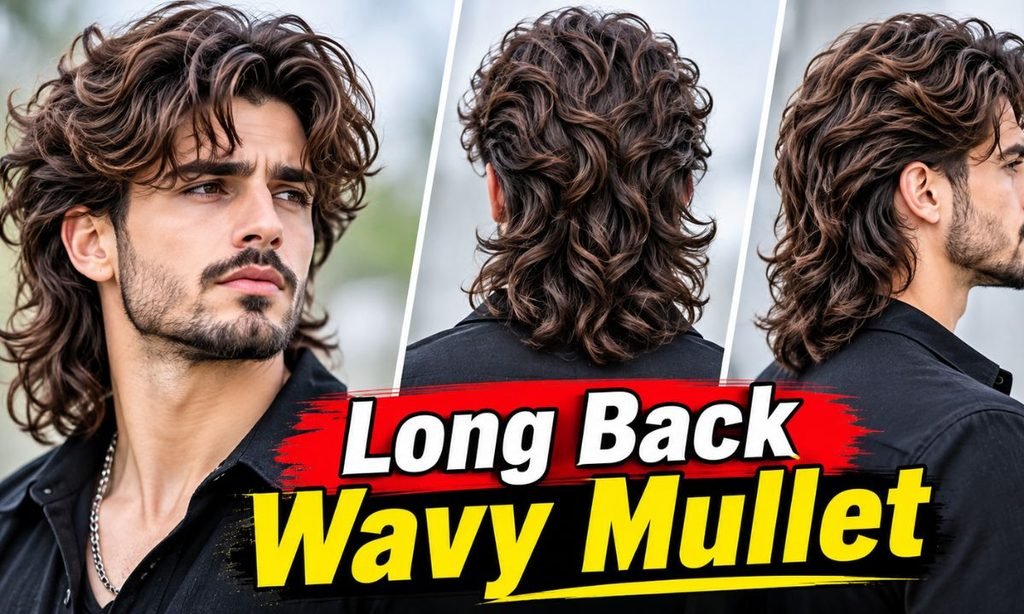
The back section extends well past the collar, creating a dramatic tail. Waves add softness so the length looks fluid instead of stringy. Regular conditioning helps keep the longer ends healthy.
Messy Casual Wavy Mullet

This version embraces a tousled, undone finish. Texturizing powder or sea salt spray gives it grip and volume. It suits relaxed, creative styles and weekend wear.
Defined Wave Mullet
Instead of a loose, messy look, this style emphasizes clear, shaped waves. A curl cream or light gel helps hold the pattern in place. It looks neat and works well for men with consistent wave patterns.
Beach Texture Wavy Mullet
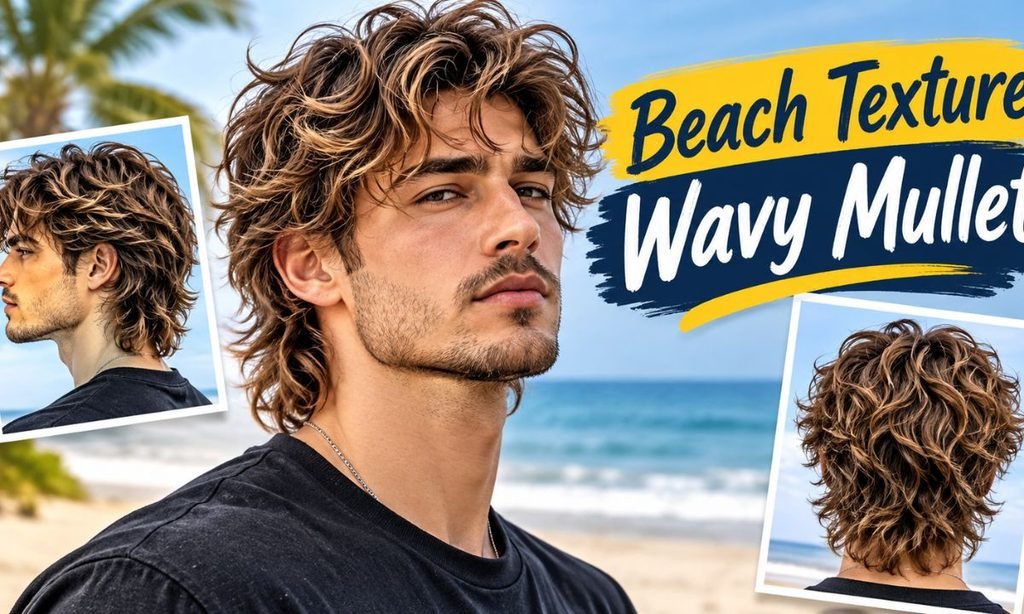
Inspired by sun and salt water, this look has soft, slightly rough waves and a breezy feel. Salt spray and air drying create most of the effect. It is a practical option for warm weather.
Tapered Clean Wavy Mullet
The sides and neckline are tapered gradually, producing a tidy outline. The top keeps its natural waves without extra bulk. It is a good option for men who want structure without a skin fade.
Wolf Cut Wavy Mullet

The wolf cut blends shag and mullet elements, with heavy layers and a rounded, voluminous shape. Waves help the layers separate and look intentional. It is a trend-led pick for those who enjoy a bolder look.
Short Crown Wavy Mullet
The crown is kept shorter, while the nape holds the length. This shape reduces bulk on top and highlights the tail at the back. It suits men with thick hair who want less weight at the front.
Airy Feathered Wavy Mullet
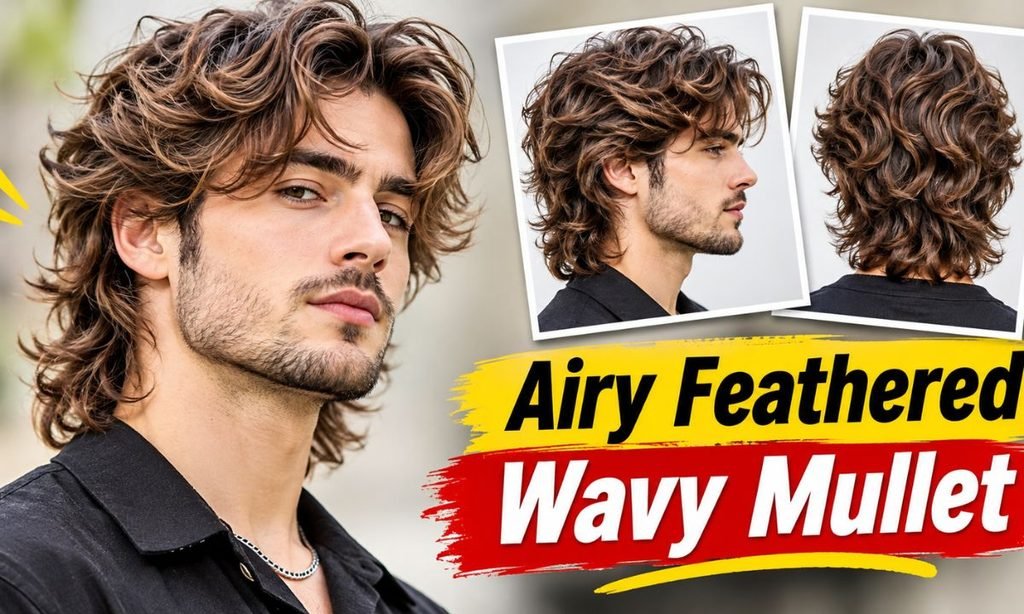
Light, feathered layers create a soft, floating finish. The ends are thinned out to avoid heaviness. It works well on fine to medium hair, giving it more perceived volume.
Side-Swept Wavy Mullet
The fringe sweeps to one side, producing an asymmetrical and polished look. Waves add soft texture to the swept section. A small amount of pomade can keep the direction in place.
Bold Volume Wavy Mullet
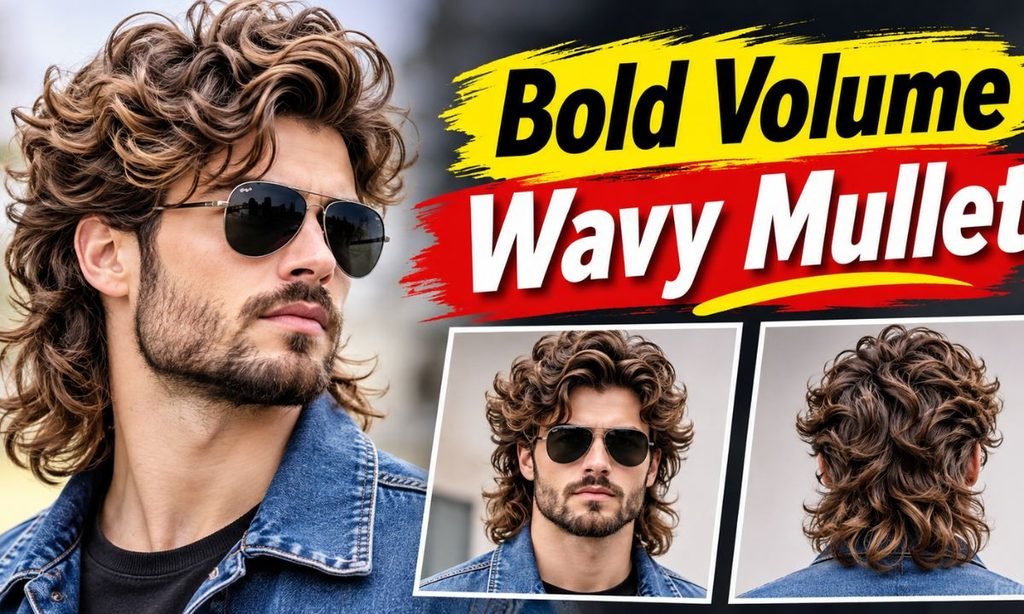
This cut builds height and fullness at the crown, then flows into longer lengths at the back. Blow-drying with a round brush adds lift. It suits men who enjoy a confident, high-impact shape.
Subtle Mini Wavy Mullet
A compact version, with only a slight length difference at the back. It is the easiest way to try the style without drawing too much attention. It also looks neat in formal workplaces.
Razor Cut Wavy Mullet
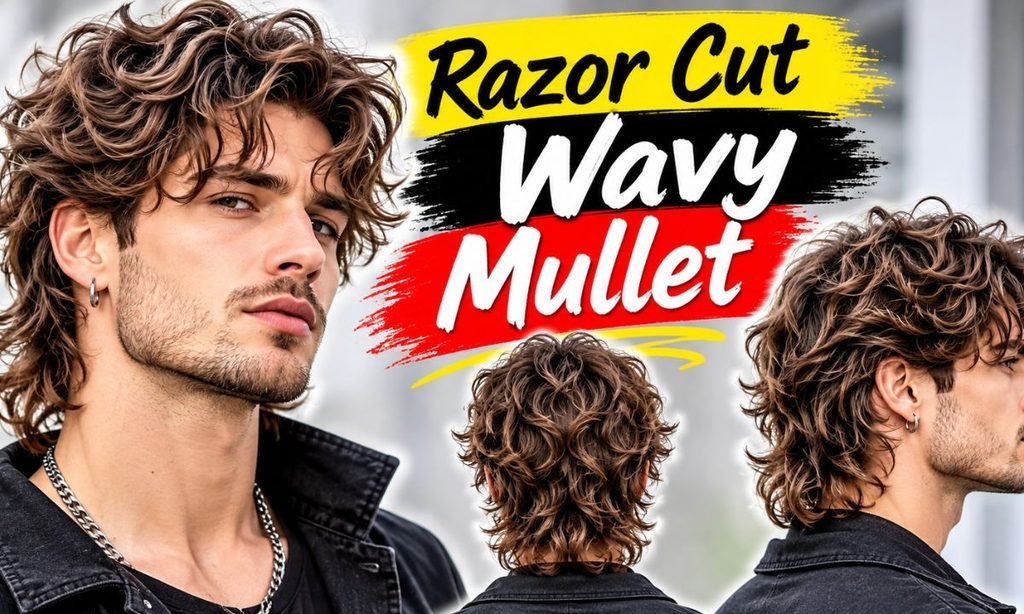
A razor creates softly tapered, feathery ends that blend seamlessly. This technique works well on waves because it removes weight while keeping movement. It is best done by an experienced barber.
Loose Curl Wavy Mullet
For men with waves that lean toward curls, this version keeps the curl pattern relaxed and bouncy. Leave-in conditioner helps reduce frizz. The cut respects your natural texture rather than restricting it.
Professional Clean Wavy Mullet
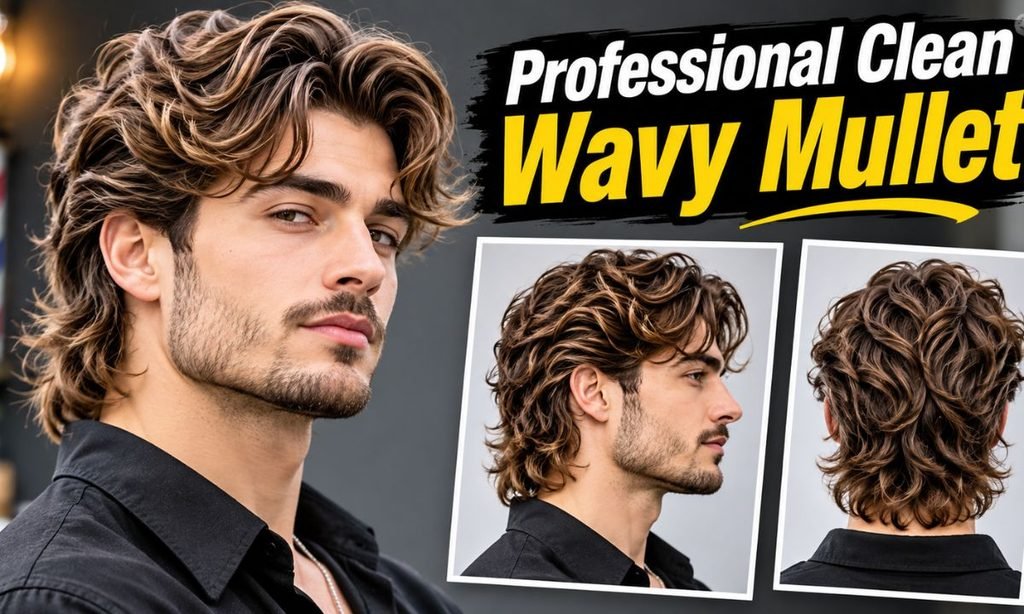
This neater take uses tidy tapering and controlled waves to suit office environments. The back stays at a moderate length, and the top can be styled back easily. It proves that modern wavy mullet haircuts can be professional.
Tousled Layered Wavy Mullet
Soft, uneven layers create a deliberately casual finish. Fingers and a bit of paste are all you need for styling. It looks effortless, even if it takes a minute or two to arrange.
Drop Fade Wavy Mullet
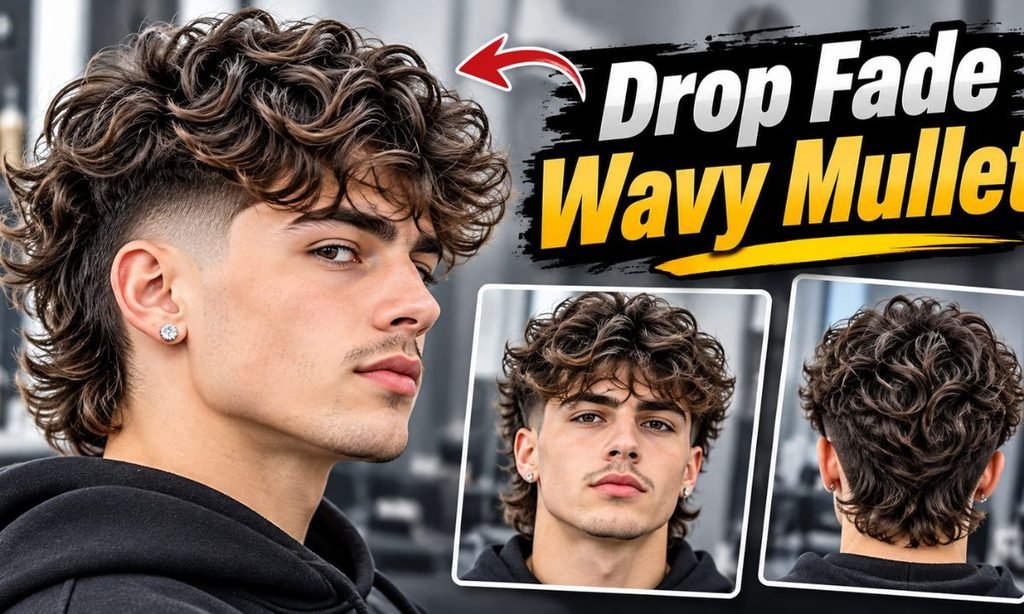
A drop fade curves downward behind the ear, following the shape of the head. This produces a distinctive outline that pairs well with longer back lengths. It adds a modern, sharp detail to the cut.
Thick Hair Wavy Mullet
Thick hair needs thinning and layering to avoid a bulky, triangular shape. A skilled barber removes weight inside the hair while keeping the outer shape intact. The result is lighter, more balanced waves.
Fine Hair Wavy Mullet
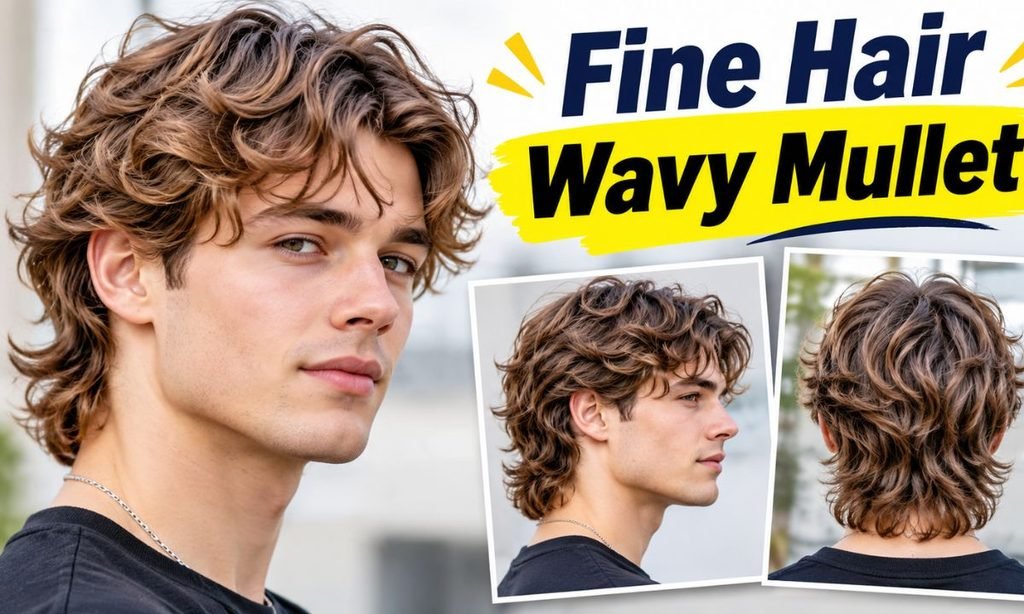
Fine hair benefits from blunt-ish ends and gentle layers that create the appearance of density. Volumizing products add lift at the roots. Avoid over-thinning, which can make the ends look sparse.
Modern Retro Wavy Mullet
This style borrows from 1970s and 1980s silhouettes but trims the harshness. Soft layers, a feathered fringe, and a longer tail give it a nostalgic feel. It looks fresh when styled with light texture.
Textured Fringe Wavy Mullet
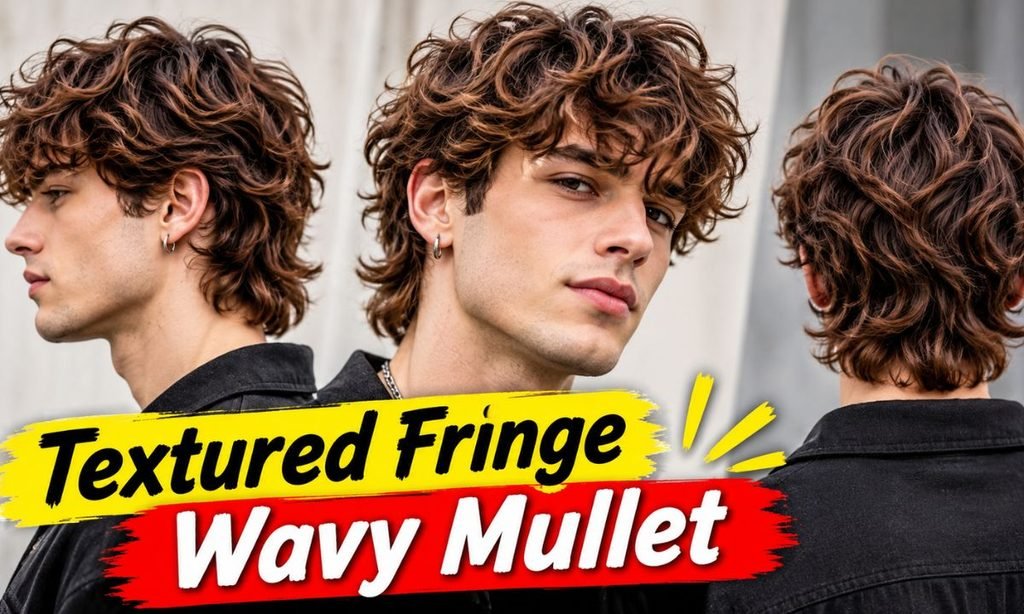
The fringe is cut with choppy layers to create a messy, lightly broken-up edge. It sits naturally across the forehead and blends into the top waves. This works well for oval and square face shapes.
Balanced Medium-Length Wavy Mullet
Every section stays at a moderate length, so nothing looks too extreme. The result is proportionate, versatile, and easy to grow out. It is a dependable choice if you are unsure where to start.
Edgy Disconnected Wavy Mullet
The top and back are deliberately cut as separate sections, with a visible gap between lengths. It makes a stronger statement than the blended versions. Confident wearers often enjoy this sharper, more fashion-forward feel.
Soft Blended Wavy Mullet
Every length melts into the next with no hard lines. The effect is smooth, natural, and flattering. It is one of the most wearable modern wavy mullet haircuts for everyday life.
Styling Guide for a Perfect Finish
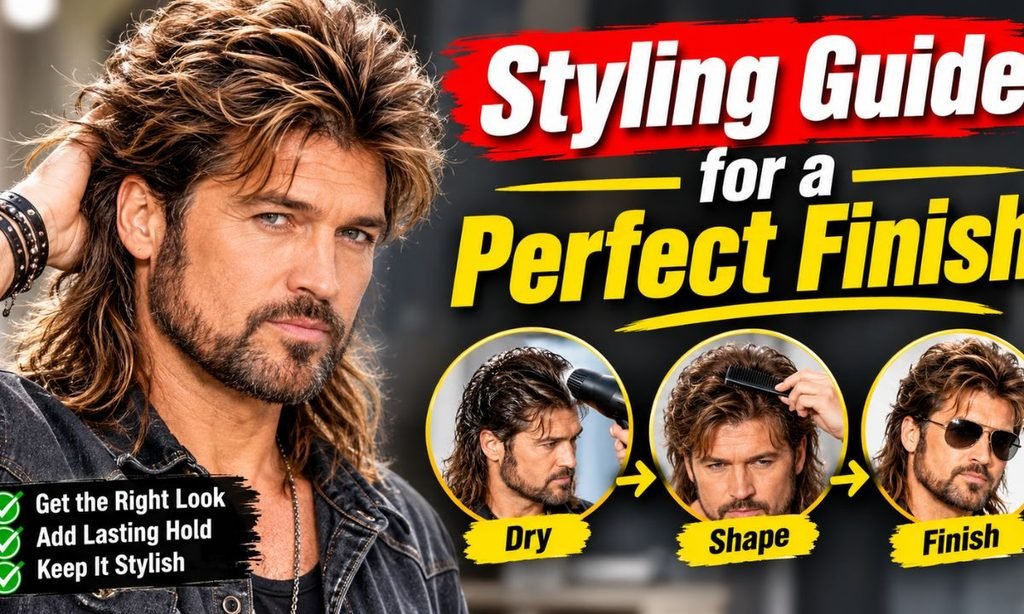
Good styling makes the difference between a mullet that looks intentional and one that looks unfinished. Start with clean, slightly damp hair, since products distribute more evenly and waves form more easily.
Follow this simple routine:
- Apply a base product. Work a small amount of sea salt spray or curl cream through damp hair to build texture.
- Dry smartly. Use a diffuser on low heat, or let the hair air dry to protect your natural waves.
- Add hold. Once dry, use a matte clay or paste on the top and fringe for definition.
- Finish the back. Run a little product through the longer lengths to keep them neat but flexible.
- Refresh when needed. A light mist of water or spray can revive waves during the day.
Wash your hair two to three times per week rather than daily, since over-washing strips natural oils and can lead to frizz. Use a nourishing conditioner on the longer sections, and book trims every four to six weeks to protect the shape.
Who Should Choose a Wavy Mullet?
A wavy mullet suits anyone who enjoys a confident, expressive hairstyle and has at least some natural bend or willingness to style texture. It works particularly well for men with wavy, curly, or thick hair, since these textures add natural volume and movement.
Face shape also matters. Oval faces suit nearly every variation, while round faces benefit from added height at the crown. Square faces look good with soft, textured fringes, and long faces pair well with fuller sides and a shorter back.
Straight or fine hair can still pull it off with the right layering and products. If your workplace is conservative, a subtle or professional version offers the same character in a more discreet package. The most important factor is comfort: choose a version you are happy to style regularly.
FAQs
Is a modern wavy mullet suitable for all hair types?
Mostly yes. Wavy and curly hair works naturally, while straight and fine hair can look great with layers and texturizing products. Very short hair may need time to grow before the cut becomes practical.
How do I ask my barber for a wavy mullet?
Bring reference photos and describe the fade height, top length, and back length you prefer. Mention whether you want a soft blend or a sharper contrast, and ask the barber to check how your waves fall when dry.
Does a wavy mullet require daily styling?
Not necessarily. Many versions can be air dried with a small amount of texture product. A quick styling routine takes only a couple of minutes, though neater versions may need a little more attention.
How often should I trim a modern mullet?
Plan a visit every four to six weeks to keep the shape clean. If you have a fade, you may want to return every three to four weeks, while longer sections can be trimmed less often.
What products are best for styling a wavy mullet?
Sea salt spray, curl cream, matte clay, and light paste work best. Choose lightweight products that add definition without making the hair stiff or greasy.
Conclusion
Modern wavy mullet haircuts offer a flexible, expressive way to refresh your look without losing practicality. From subtle tapers to bold fades, there is a version for nearly every hair type, face shape, and personality.
The best results come from a skilled barber, clear communication, and a simple styling routine that supports your natural waves. Pick a style from the list above, take reference photos to your next appointment, and adjust the details until the cut feels like your own.

Meet Olivia Bennett, a passionate hair and beauty writer at ClearN Haven, sharing trendy haircuts, stunning hairstyles, and expert tips for beautiful hair.
1 thought on “Best 32 Modern Wavy Mullet Haircuts for Men”