

The modern mullet has moved far beyond its retro reputation. Today it blends a shorter, tidier front with longer back lengths, then adds fades, texture, and layers to create a look that feels current and personal. Whether you have straight, wavy, or curly hair, this cut can be adjusted to suit your lifestyle.
If you are considering a modern mullet, this guide covers everything in one place: popular variations, face shape advice, how to talk to your barber, and daily styling and care. By the end, you will know which version fits your hair type and how to keep it looking sharp.
What Is a Modern Mullet Haircut?
A modern mullet haircut keeps the classic idea of shorter hair on top and sides with length at the back, but refines it with cleaner transitions. Instead of a harsh jump between sections, barbers use tapering, layering, and texturing so the lengths blend naturally. The result is a cut that looks intentional rather than accidental.
Compared with the 1980s original, the contemporary version is softer and more adaptable. The back can be a few inches long or reach the shoulders, and the top may be cropped, shaggy, or neatly styled. Related terms such as business in the front, party in the back, nape length, and layered silhouette all describe parts of this look.
Modern mullet fade
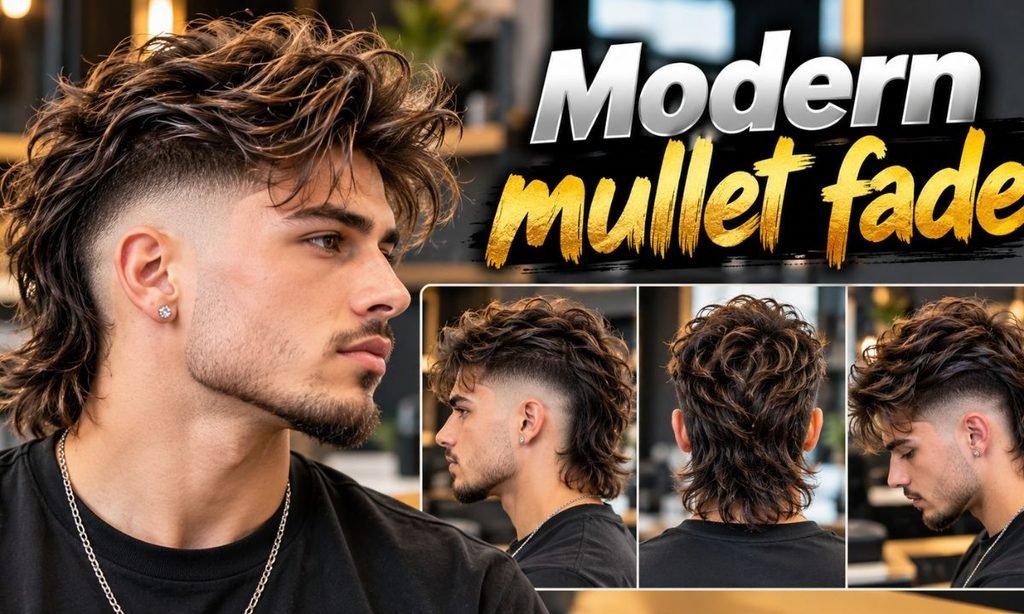
A modern mullet fade pairs the longer back with sides that gradually shorten toward the skin. The fade can start low, mid, or high on the head, which changes how bold the haircut looks. It is a popular choice for people who want a clean outline without losing the length that defines the style.
Read Related Post: Bleached Modern Mullet
Modern mullet curly hair
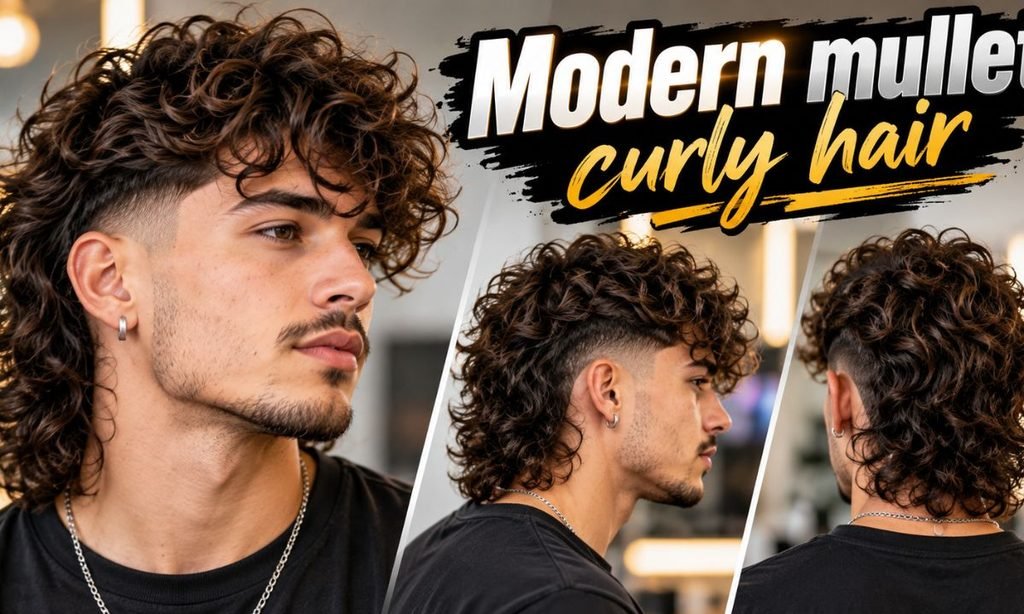
Curls suit the modern mullet especially well because natural texture adds volume and movement to the back section. The key is to cut with the curl pattern in mind, usually on dry or slightly damp hair, so the shape stays balanced once it springs up. Moisture, a diffuser, and a light curl cream help define the ringlets.
Modern mullet low fade
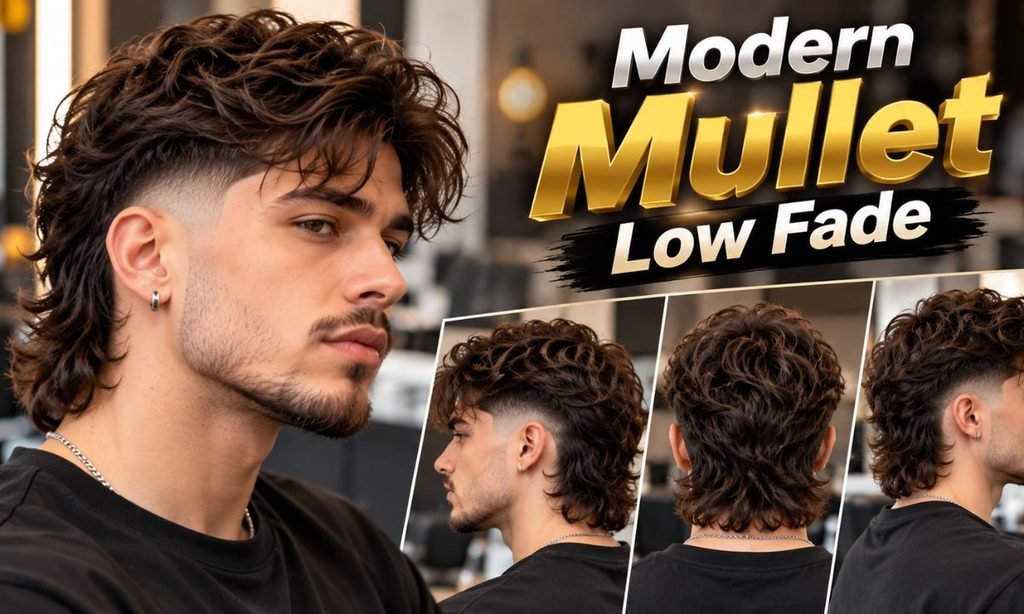
With a modern mullet low fade, the shortening begins just above the ears and neckline. This keeps the sides fuller and gives a subtle, polished finish that works in most workplaces. It is a good starting point if you like the idea of a mullet but prefer a conservative approach.
Modern mullet short
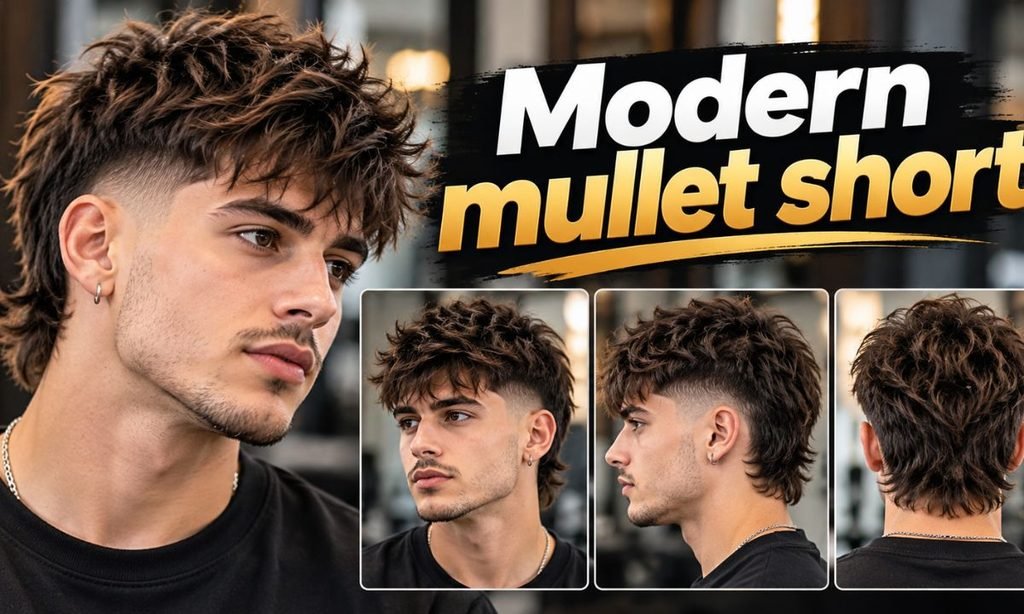
A short modern mullet keeps the back to a modest length, often just covering the collar. Because the contrast is gentle, it is easy to wear and quick to style. Many people choose this version as a first step before growing the back longer.
Modern mullet straight hair
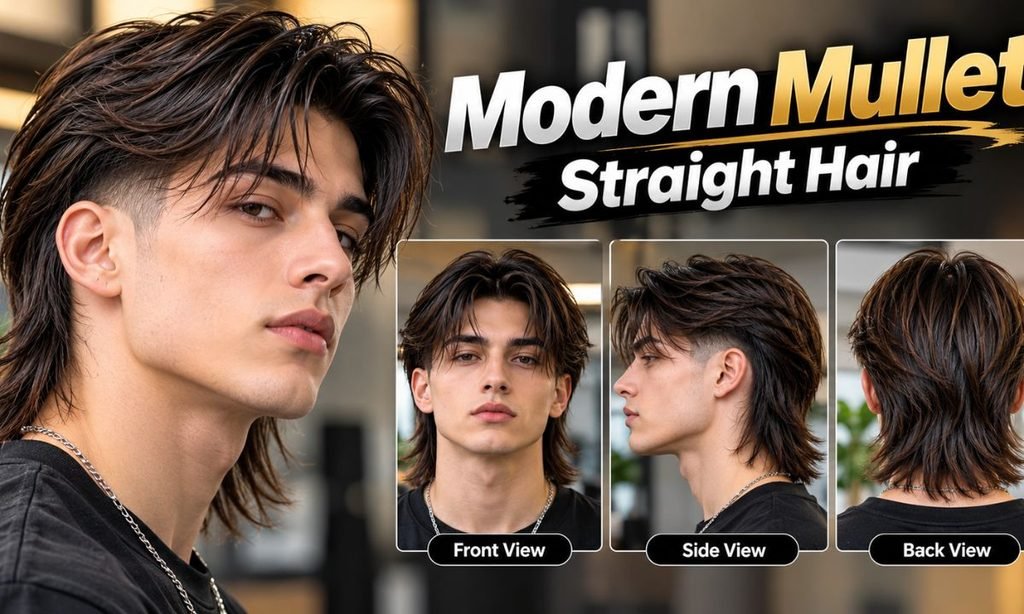
Straight hair gives the modern mullet a sleek, sharp line. Since straight strands show every cutting detail, texturizing and point cutting are useful for avoiding a flat or heavy look. A sea salt spray or light paste adds grip and movement.
Modern mullet haircut men
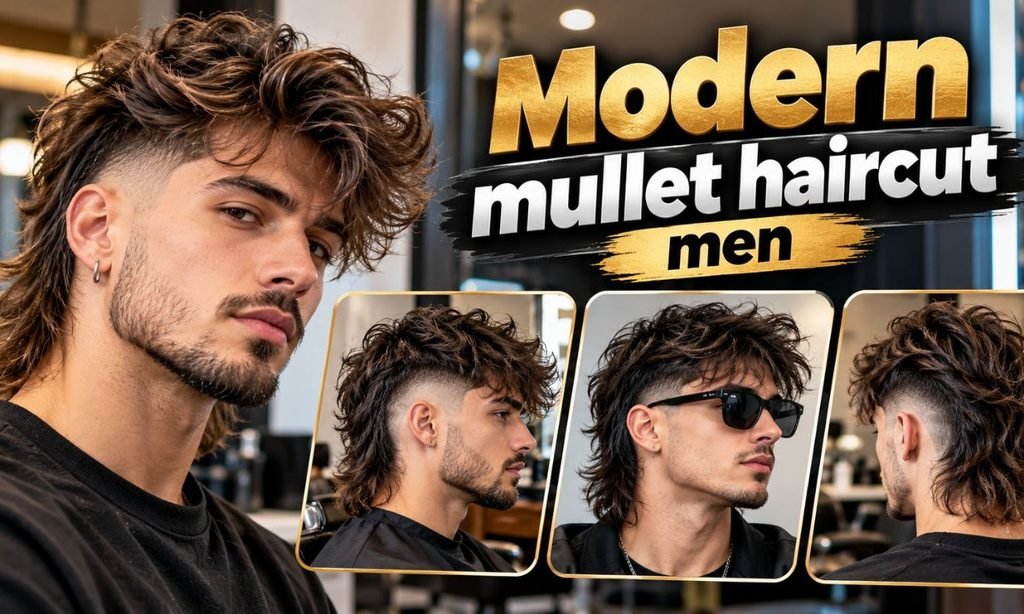
For men, the modern mullet haircut offers plenty of room for personalization. It can be paired with a taper, a textured crop, or a heavier fringe, depending on hair density and personal taste. Men with a receding hairline can also keep the front short to maintain a balanced overall look.
Modern mullet with beard
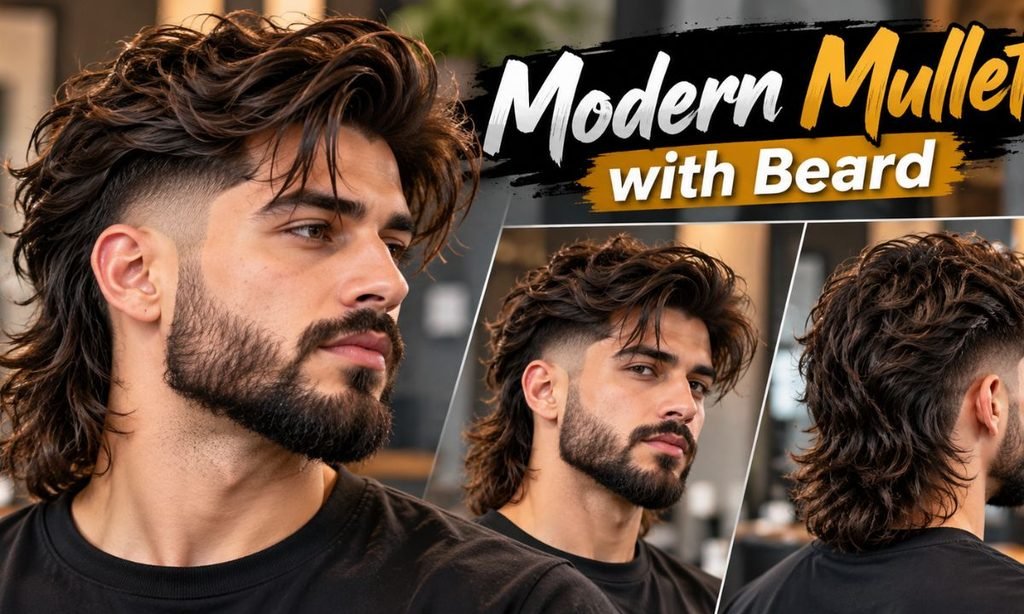
A modern mullet with a beard creates a strong, balanced profile. A short, well-groomed beard keeps the face looking sharp, while a fuller beard adds a rugged contrast with the longer back. Matching the fade on the sides to the beard line helps the whole look appear connected.
Modern mullet women

Women often wear the modern mullet with softer layers, wispy ends, and a longer fringe. Variations such as the wolf cut and shag blend naturally into this shape, which makes the style flexible for fine, thick, wavy, or curly hair. Adjusting the length at the back lets you control how bold the final result looks.
35 Best Modern Mullet Haircut Styles
Below are 35 modern mullet variations grouped by technique and length. Use them as inspiration, and bring photos to your barber so they can adapt the cut to your hair type, face shape, and daily routine.
Fade Modern Mullet Styles
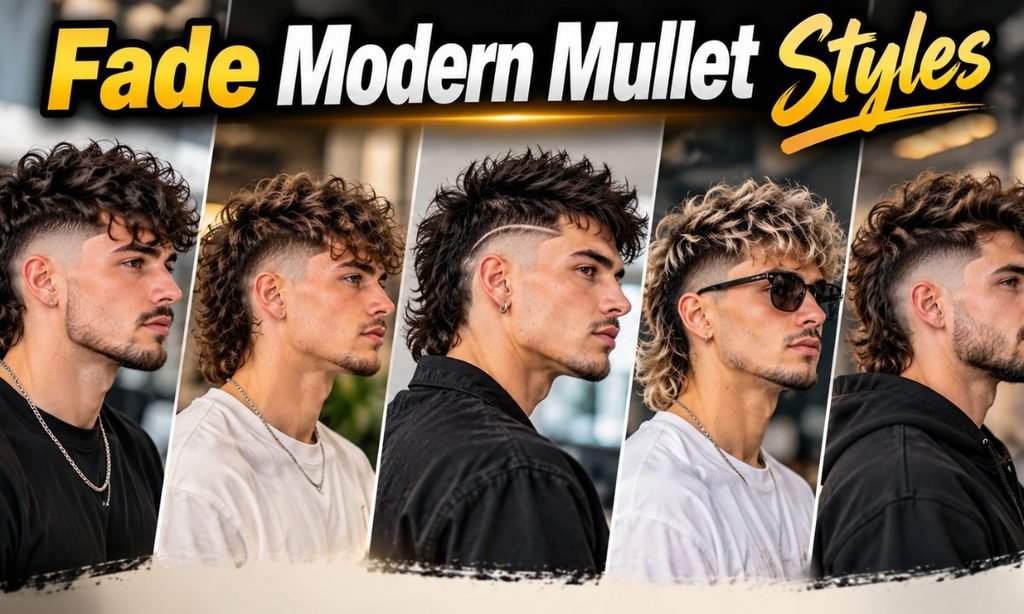
Fades remain the most requested way to update a mullet because they create a crisp contrast between the tidy sides and the length behind.
Low Fade Mullet

The low fade mullet starts the blend close to the ear and nape, leaving more hair on the sides. It looks subtle and professional, and it grows out gracefully between appointments. This is a strong option for first-time mullet wearers.
Mid Fade Mullet

A mid fade begins around the temples and creates a more defined shape. It balances boldness and polish, making it one of the most versatile choices. Pair it with a textured top for extra personality.
High Fade Mullet

The high fade removes length high on the sides for a dramatic, contemporary contrast. It highlights the back section strongly and suits people who like a sharp, edgy look. Expect to visit the barber more often to keep the lines crisp.
Skin Fade Mullet
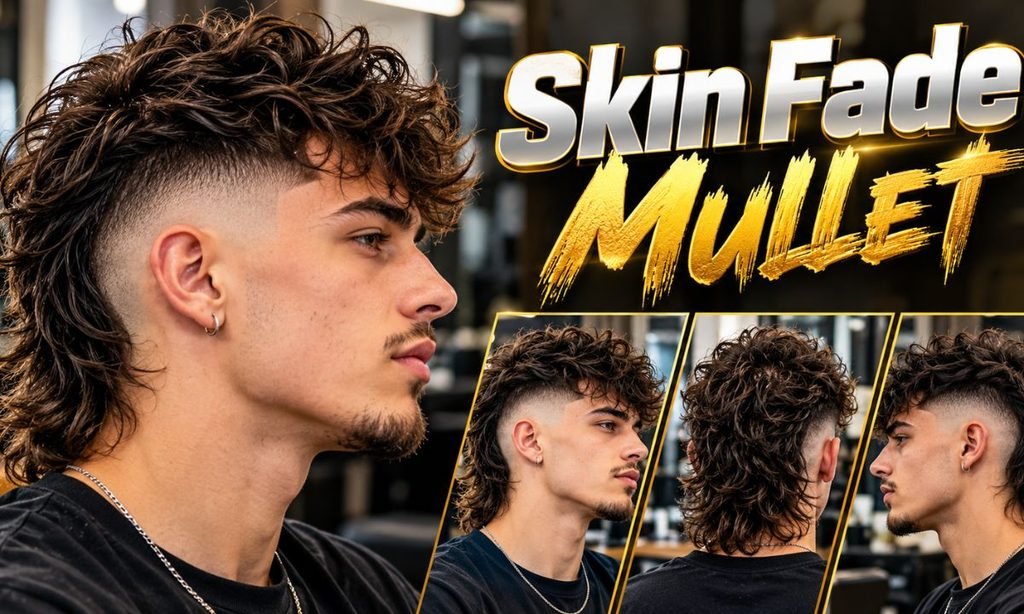
In a skin fade, the sides taper all the way down to bare skin. This gives the cleanest transition and draws attention to the longer lengths behind. It works well with short beards and slick styling.
Drop Fade Mullet

The drop fade curves downward behind the ear, following the shape of the head. That curve pairs naturally with a longer nape, creating a flowing line from the sides into the back. It is a stylish detail for people who want something slightly different from a standard fade.
Burst Fade Mullet Styles
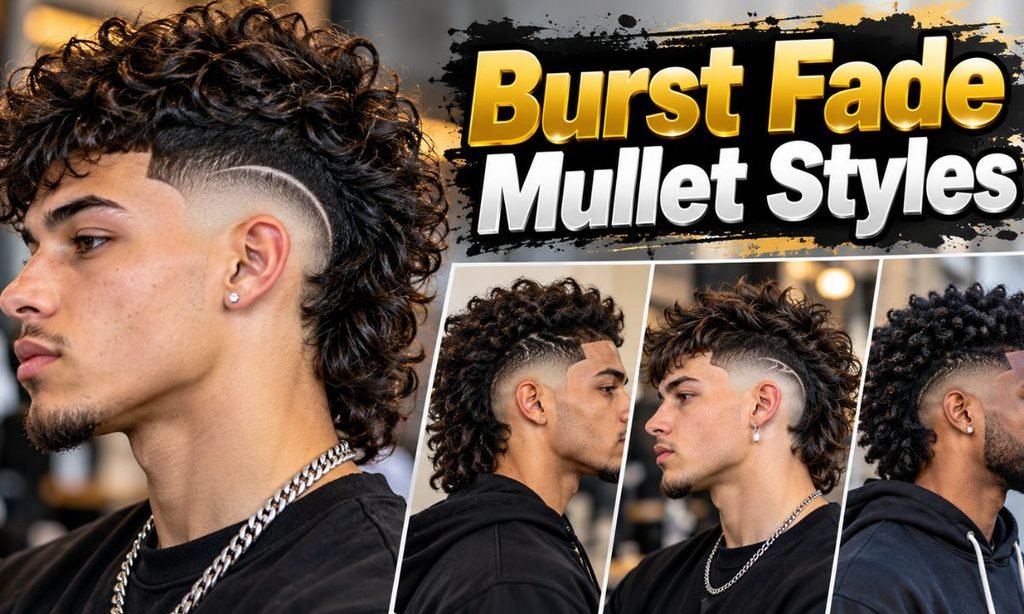
A burst fade curves around the ear in a semicircle, leaving length at the back. This shape suits the modern mullet because the back stays full while the sides stay tight.
Classic Burst Fade Mullet

The classic version uses a smooth, rounded burst around the ear with a neat, medium-length top. It looks clean and balanced, and it is easy to style with a light pomade.
Textured Burst Fade Mullet
Adding choppy layers on top turns the burst fade into a more relaxed, lived-in cut. Texturizing shears and matte clay create movement without heaviness.
Curly Burst Fade Mullet
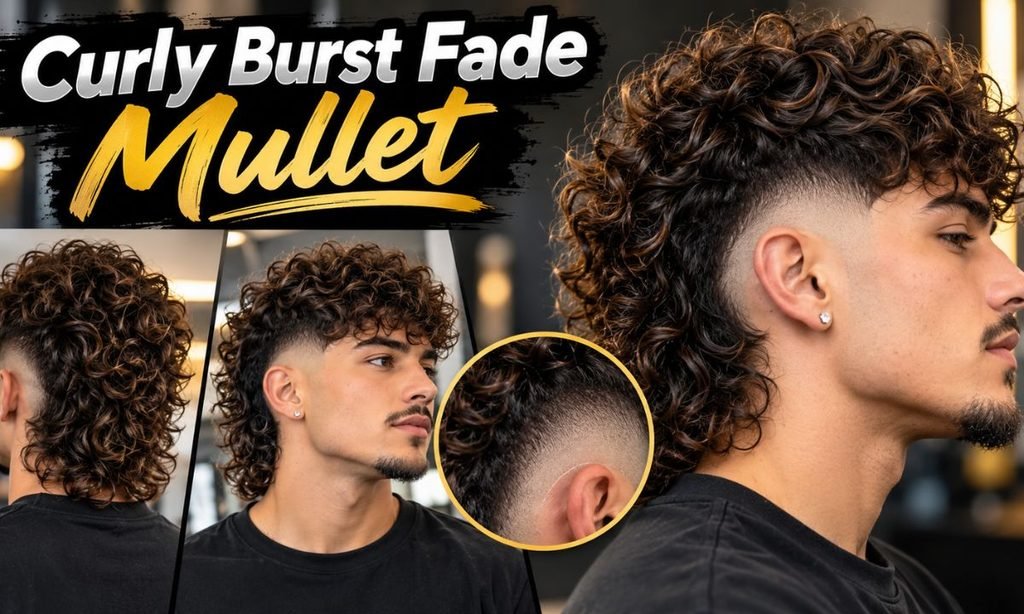
This version keeps natural curls on top and at the back while the burst fade tidies the sides. The contrast between tight sides and bouncy curls makes the shape stand out.
Taper and Clean Mullet Styles
Tapers are gentler than fades. They shorten the hair gradually without reaching the skin, so they suit people who want a neater modern mullet haircut with less contrast.
Taper Fade Mullet
A taper fade combines a soft taper at the neckline and sideburns with a slightly deeper fade above. It gives a defined edge while staying understated.
Temple Fade Mullet
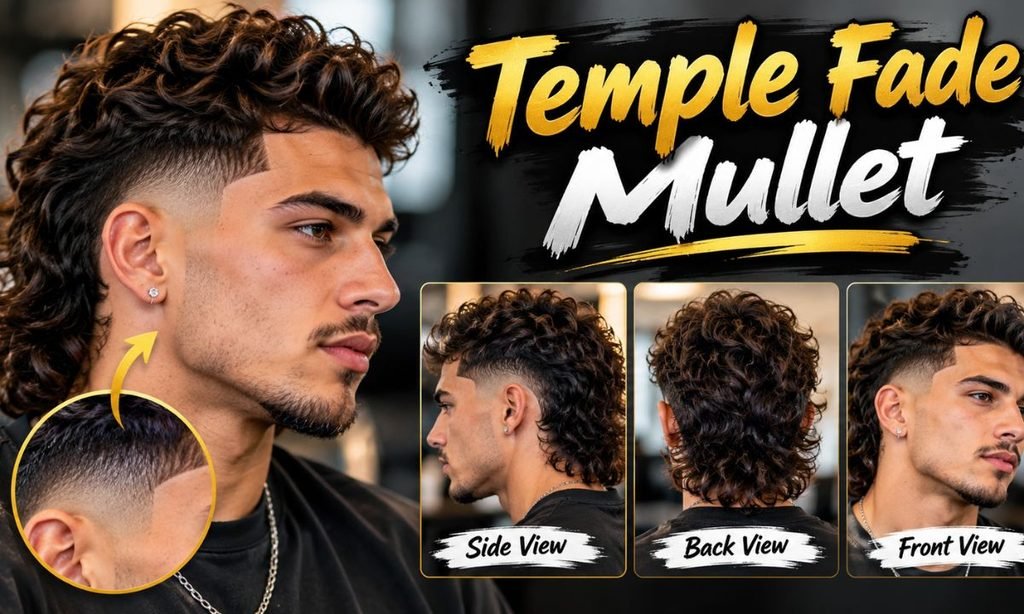
The temple fade, also called a temp fade, focuses the shortening around the temples and sideburns. It sharpens the hairline and works well with a longer, layered back.
Classic Taper Mullet
The classic taper keeps the sides neat with scissors or clippers and leaves the back untouched. It is the least demanding option for upkeep and fits conservative settings.
Textured Modern Mullet Styles
Texture is what separates a polished modern mullet from a flat, dated one. Layering, point cutting, and razor work all add the movement that makes the cut look current.
Messy Modern Mullet
This relaxed version leans into tousled, uneven layers. It needs little styling, and a bit of sea salt spray gives it a casual finish. It is ideal for people who prefer an effortless appearance.
Layered Mullet
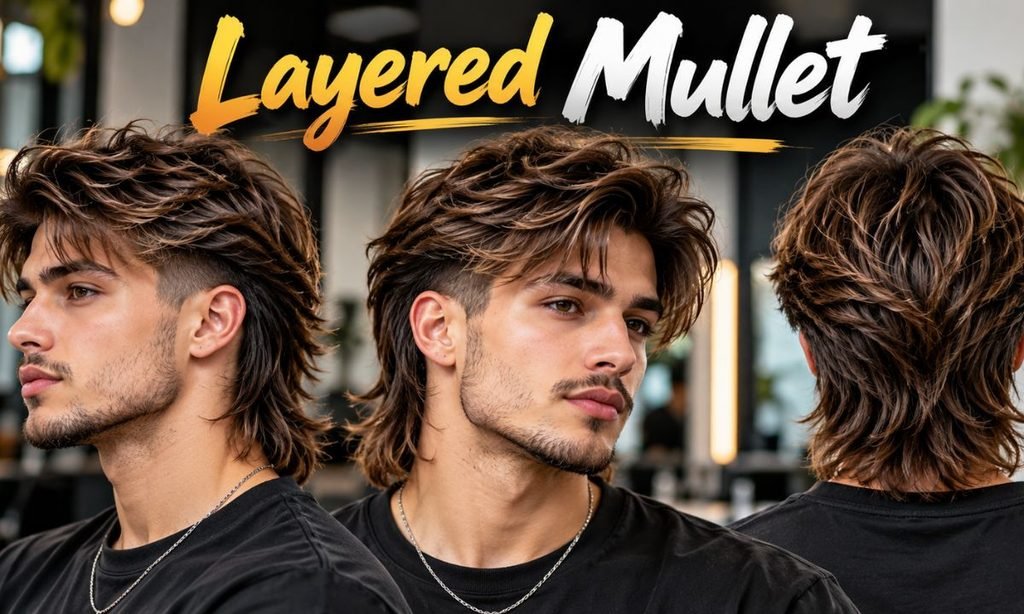
Layers remove weight and create volume, especially for thick hair. Longer layers at the back blend into shorter ones on top, which helps the cut move naturally.
Feathered Mullet
Feathered layers sweep away from the face, nodding to the retro original with a lighter, airier finish. A round brush and blow dryer help create the soft flicks.
Choppy Mullet
Choppy cuts use uneven, textured ends for an edgy, piecey look. They suit thick or straight hair that needs extra movement.
Curly and Wavy Mullets
Natural texture and the modern mullet shape work together beautifully, because curls and waves fill out the back section and add visual interest.
Natural Curly Mullet
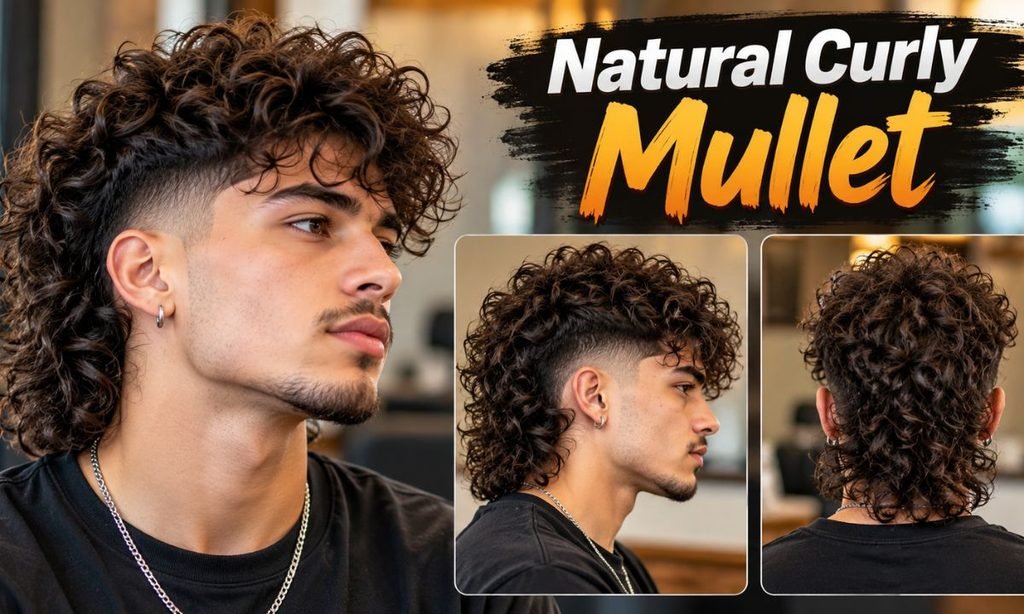
A natural curly mullet embraces the curl pattern from root to tip. Cutting dry helps the barber see how each curl falls, and regular moisture keeps frizz under control.
Wavy Mullet
Wavy hair gives a relaxed, beachy flow. Light layering encourages the waves to sit evenly, and a texturizing cream keeps them defined without stiffness.
Permed Mullet
A perm adds lasting curl to straight hair, offering a bold, retro-inspired take on the cut. Modern perms use softer, looser curls than older versions, and aftercare with a hydrating mask is important.
Shag and Wolf-Inspired Mullets

Shag and wolf cuts share the layered, tousled spirit of the mullet, so the three styles blend easily into hybrid shapes.
Shaggy Mullet
The shaggy mullet features heavy layering throughout, with a fringe that frames the eyes. It looks full and lively, and it suits medium to thick hair.
Wolf Cut Mullet
This hybrid combines the voluminous crown and layered length of a wolf cut with the shorter front of a mullet. It brings plenty of movement and works for many hair textures.
Soft Shag Mullet
A soft shag uses lighter, more blended layers for a gentler result. It is a good choice for fine or straight hair that cannot hold dramatic texture.
Short Modern Mullet Styles

Short versions suit workplaces, schools, and anyone who wants to try the trend with less commitment. A short modern mullet is easy to maintain and quick to style.
Short Mullet
Here the back sits around the collar and the top stays cropped. It reads as a casual twist on a tapered cut.
Mini Mullet
The mini mullet shows only a small, subtle tail at the nape. It is the most understated option and works well as a trial run.
Clean Office Mullet
This style uses a neat taper, a side part or controlled texture, and a modest back length. It maintains a professional look while still reflecting current trends.
Long Mullet Variations

Longer lengths make the contrast more dramatic and give the cut a free-spirited feel. A long modern mullet needs more care, but it offers the most room for styling.
Long Flow Mullet
Hair at the back reaches the shoulders or beyond, with smooth layers for movement. Regular conditioning and trims prevent split ends.
Rockstar Mullet
This look pairs voluminous, tousled layers with a bold attitude. Texturizing spray and a bit of backcombing at the crown create the stage-ready shape.
Surfer Mullet
Sun-kissed, wavy, and casual, the surfer mullet relies on natural waves and salt spray. It suits people who like a low-effort, outdoorsy finish.
Modern Creative Mullets
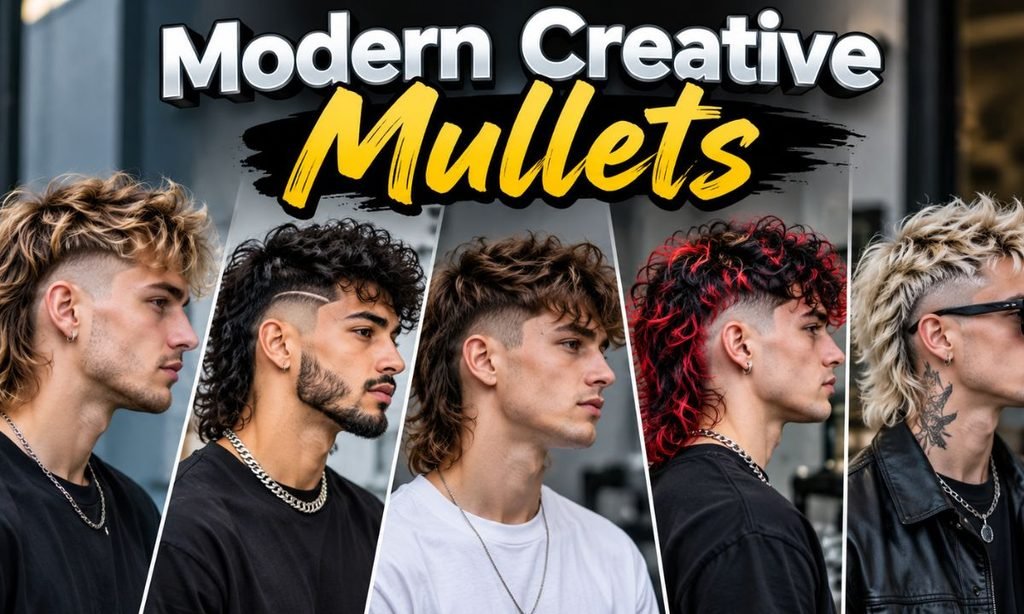
Creative variations push the haircut further with shaved sections, sharp shapes, or unusual styling. A creative modern mullet suits people who enjoy standing out.
Undercut Mullet
An undercut removes length from the sides and nape in a distinct, disconnected shape while the top and back stay long. The contrast is sharp, and the hair can be tied back or worn down.
Disconnected Mullet
In a disconnected cut, there is no gradual transition between the short and long sections. It creates a graphic, high-contrast silhouette.
Modern Punk Mullet
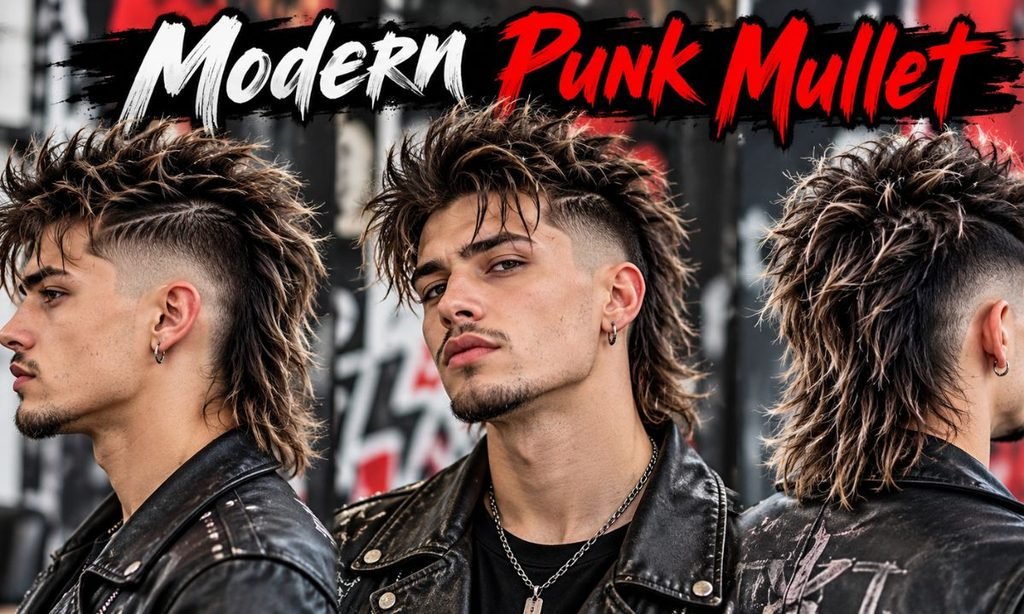
This style uses jagged layers, bleached or colored sections, and textured styling. Colorful highlights add a rebellious edge.
Mohawk Mullet
The mohawk mullet keeps a strip of longer hair down the center with trailing length at the back. A fade on both sides makes the strip stand out.
Spiky Mullet
Spikes on top, created with strong-hold gel or clay, contrast with the longer back. It is a playful, energetic variation.
Slicked-Back Mullet
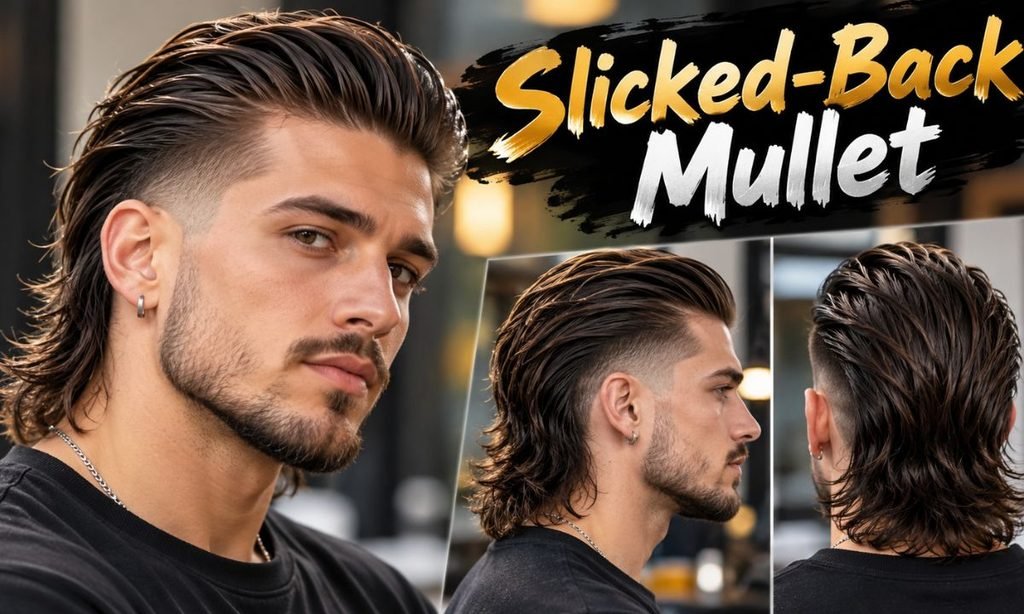
Hair is combed back with pomade for a smooth, polished finish that ends in a longer back. It leans formal and suits events or evening wear.
Asian Modern Mullet
Many Asian hair types tend to be straight and thick, which holds sleek layers well. Textured fringes, soft layers, and tapered sides create a shape popular in current trends, including K-pop-inspired looks. Point cutting helps thick strands lie flat and move.
Minimalist Modern Mullet
A minimalist version uses soft layers, a subtle back length, and little to no fade. It is clean, simple, and easy to style daily.
Best Face Shapes for a Modern Mullet
A modern mullet can flatter many faces, but small adjustments in length, volume, and fringe make a big difference.
Oval Face
Oval faces are naturally balanced, so almost any variation works. Experiment with fades, long layers, or textured styles without worrying about proportions.
Round Face
Round faces benefit from height and angles. Keep the sides tighter, add volume on top, and choose a longer back that elongates the face. Avoid heavy, wide layers at the cheeks.
Square Face
Square faces have strong jawlines that pair well with soft, textured layers. A tapered or low fade softens the angles, and a side-swept fringe adds balance.
Heart Face
Heart-shaped faces have wider foreheads and narrower chins. Side-swept bangs, medium layers, and back length that reaches the jaw or below help balance the proportions.
Why the Modern Mullet Is Trending Again
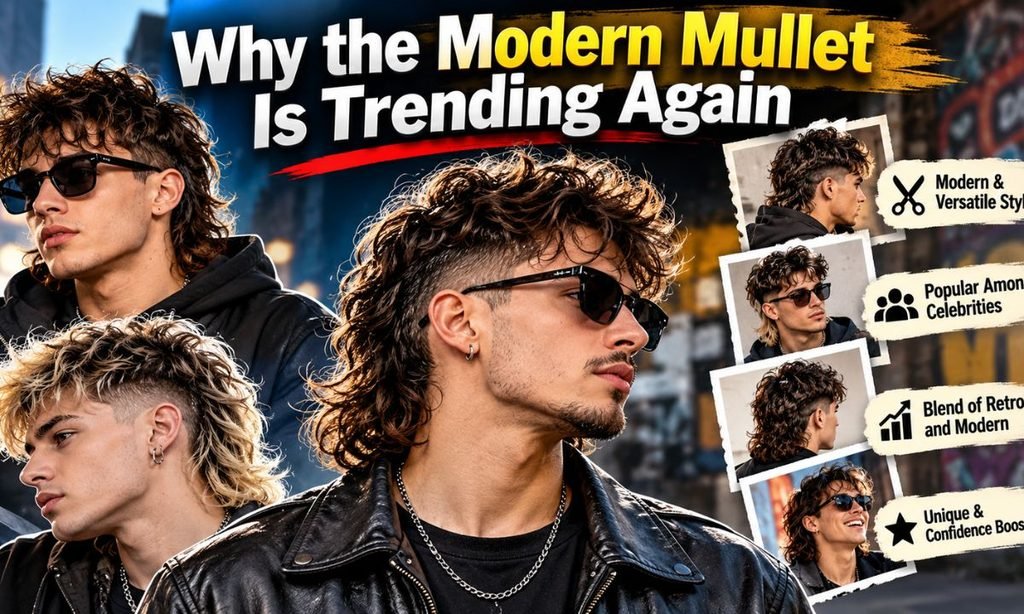
The modern mullet comeback comes from a mix of nostalgia, fashion, and the desire for hairstyles that feel personal.
Celebrity Influence
Actors, musicians, and athletes have worn updated mullets on red carpets and stages, which made the haircut feel fresh rather than dated. When public figures show a style with confidence, fans often follow.
Social Media Trends
Short videos and photo sharing platforms spread hair trends quickly. Before-and-after transformations and styling tutorials make the modern mullet easy to understand and try.
Individual Style Expression
Many people want haircuts that reflect their personality rather than a standard template. The mullet offers a clear way to stand out while still being wearable.
Versatility
Because it can be short or long, faded or textured, curly or straight, the modern mullet adapts to nearly any hair type, age, and gender. That flexibility keeps it popular.
How to Ask Your Barber for a Modern Mullet

Clear communication prevents disappointment. Bring two or three reference photos that show the front, side, and back of the cut you like. Then explain these details:
- Back length: collar, mid-neck, or shoulder
- Fade or taper type and where it starts
- Amount of texture and layering on top
- Fringe length and shape
- How much time you want to spend styling each day
Ask your barber what suits your hair density, growth pattern, and face shape. If you are unsure, start with a modern mullet that keeps the back a little shorter, because length can always be added later but not taken away.
How to Style a Modern Mullet
Styling takes about ten minutes once you learn your hair’s habits. Here is a simple routine that works for most hair types.
Step 1 – Wash and Towel Dry
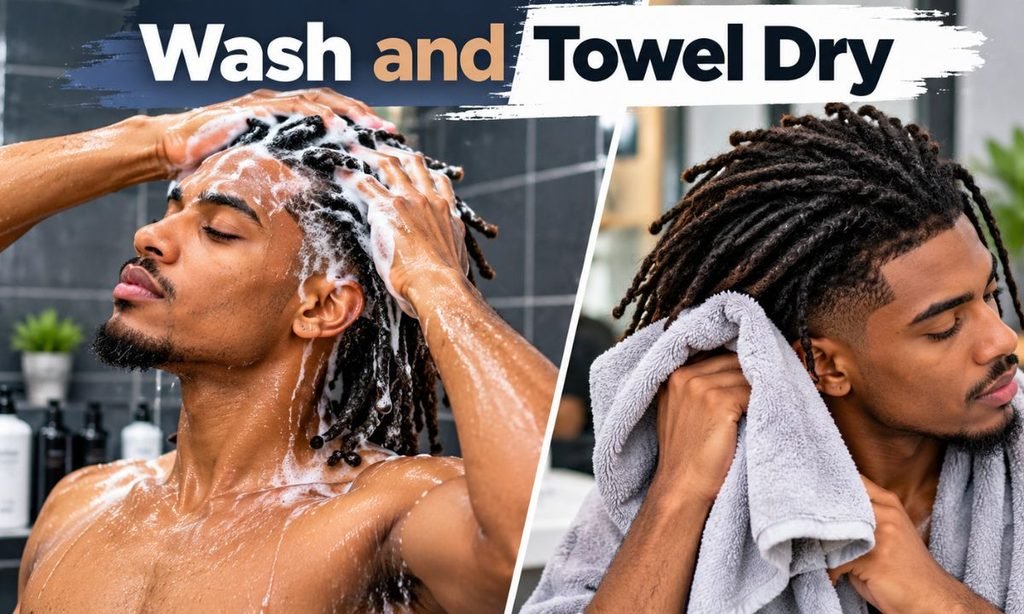
Use a gentle shampoo and conditioner, then pat the hair with a towel instead of rubbing. This reduces frizz and preserves natural texture.
Step 2 – Blow Dry for Volume
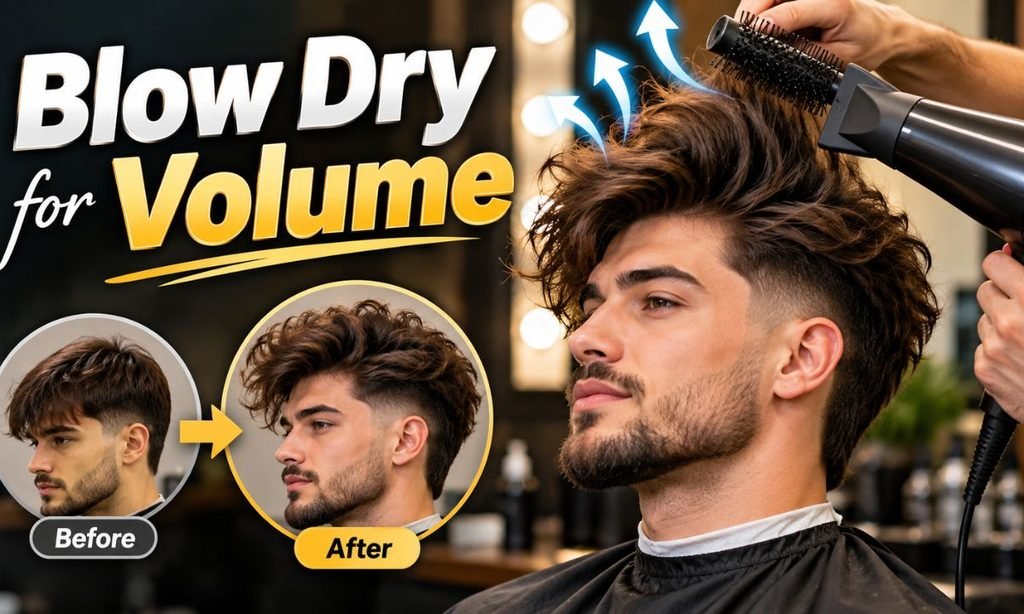
Dry the top section upward with a blow dryer and round brush for lift. Let the back dry more naturally, or use a diffuser for curls and waves.
Step 3 – Apply Styling Product
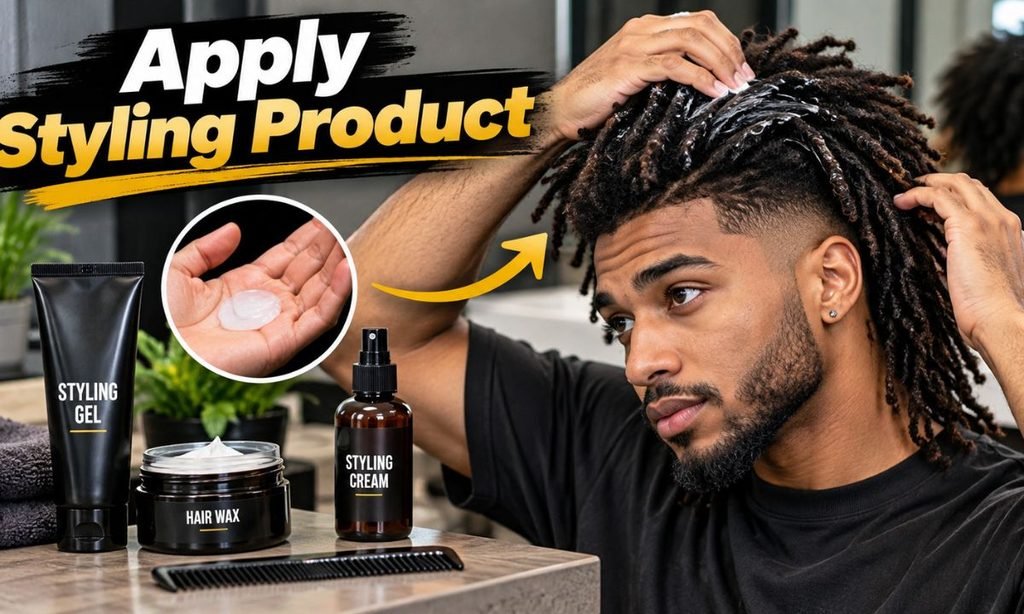
Choose a product for your finish: matte clay for texture, sea salt spray for beachy waves, curl cream for definition, or light pomade for a sleek look. Start with a small amount and add more as needed.
Step 4 – Shape the Layers
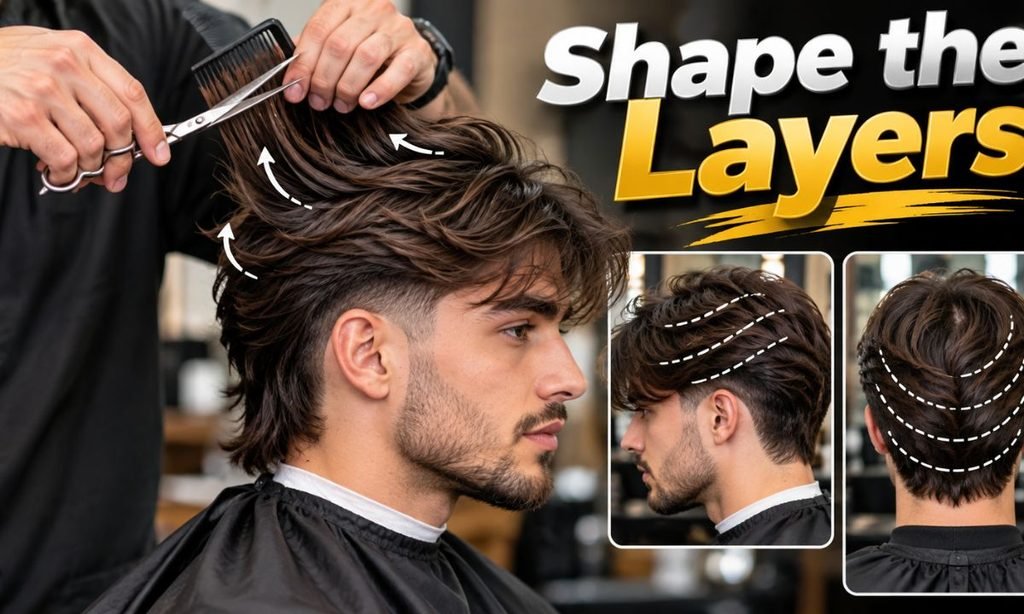
Use your fingers to separate the layers, then set the shape with a light-hold spray. Make sure the front stays neat and the back falls naturally for a balanced modern mullet.
How to Maintain a Modern Mullet
Regular care keeps the shape intact and helps the cut grow out evenly.
- Book a trim every four to six weeks to refresh the fade and sides
- Trim the back lightly every eight to ten weeks to remove split ends
- Use a moisturizing conditioner weekly, especially for curly or long hair
- Limit heat styling and use a heat protectant when you do
- Sleep on a silk or satin pillowcase to reduce frizz and breakage
With consistent care, your modern mullet will keep its shape and look healthy between appointments.
Pros and Cons of the Modern Mullet

Every haircut has trade-offs. Weighing these points will help you decide whether a modern mullet fits your routine.
Pros
- Highly customizable for different hair types and face shapes
- Works with straight, wavy, and curly textures
- Adds volume, movement, and personality
- Can be worn short, medium, or long
- Flexible enough to dress up or down
Cons
- Fades need frequent barber visits to stay sharp
- Growing the back takes patience
- Can look dated if cut or styled poorly
- Some workplaces or families may prefer a more conservative look
- Usually needs styling products to look its best
FAQs About Modern Mullet
What is a modern mullet haircut?
A modern mullet haircut is an updated version of the classic mullet, with shorter sides, a longer back, and refined blending through fades, tapers, and layers.
Why is the modern mullet haircut so popular today?
It combines nostalgia, social media exposure, celebrity influence, and flexibility. People can adapt it to different hair types and levels of boldness.
What are the most popular modern mullet styles?
Fade, burst fade, taper, shag, wolf cut, curly, and short mullets are among the most requested. The right choice depends on your hair texture and how much maintenance you want.
How do you style a modern mullet haircut?
Wash and towel dry, blow dry for volume, apply a product that suits your hair type, and shape the layers with your fingers. A light-hold spray helps the style last.
How often should you trim a modern mullet?
Trim every four to six weeks if you have a fade, or every six to ten weeks for a softer, longer version. Regular trims prevent split ends and keep the shape clean.
Is mullet allowed in Islam?
Islamic sources do not mention the mullet by name, so there is no specific ruling on the haircut itself. Scholars do discuss related principles, such as qaza, which means shaving part of the head and leaving the rest. Many scholars consider it disliked, so fades, undercuts, and shaved sections may raise questions for some people. Others stress modesty, cleanliness, and avoiding styles associated with immodesty. Opinions vary, so it is best to consult a qualified scholar you trust.
Will a mullet suit me?
It depends on your hair type, face shape, and comfort with attention. Oval, square, heart, and round faces can all wear it with the right adjustments. If you are unsure, begin with a short or mini version, or ask your barber for an honest assessment.
What is a modern mullet cut?
It is a contemporary take on the mullet that blends front and back lengths smoothly with fades, tapers, and layers instead of a sharp disconnect.
Is mullet a queer haircut?
A haircut does not determine anyone’s identity. That said, many people in LGBTQ+ communities have embraced the mullet as a symbol of self-expression, and it has appeared widely in queer fashion. Anyone can wear it regardless of orientation or gender.
Conclusion
The modern mullet has grown into a flexible, expressive haircut that fits many hair types, ages, and personal styles. From subtle low fades to bold shags and creative undercuts, there is a version for almost everyone.
Whether you choose a fade, a shag, a curly cut, or a minimalist version, a clear brief for your barber and a simple routine are all you need. Pick the modern mullet that matches your hair and lifestyle, and wear it with confidence.

Meet Olivia Bennett, a passionate hair and beauty writer at ClearN Haven, sharing trendy haircuts, stunning hairstyles, and expert tips for beautiful hair.
1 thought on “Modern Mullet”