


The Mexican mullet haircut has moved from neighbourhood barbershops to social media feeds, and in 2026 it shows no sign of slowing down. It combines a clean fade on the sides with length and texture at the back, which gives men a look that feels bold without looking messy. If you have been saving photos and wondering whether the cut will suit you, this guide will help you decide.
Here you will learn what separates the style from a classic mullet, which variations are trending, and how to match the cut to your face shape and hair type. You will also find styling steps, maintenance advice, common mistakes and answers to the questions people ask most. Treat it as a plan you can take straight to your barber.
Understanding the Mexican Mullet Haircut
The Mexican mullet haircut is a modern take on the traditional mullet. Instead of the soft, uneven layering of older versions, it relies on precise clipper work, a skin or taper fade on the sides, and a defined length through the back. The top is usually kept textured, with a short fringe or a longer, layered crown.
The style grew out of Latino barbershop culture, where sharp lines and detailed fades are a point of pride. Barbers there blended the mullet silhouette with the clean finish customers already expected from a fresh cut. The result is a hairstyle that reads as deliberate and polished, even when the hair at the back is long.
Another reason the cut works is flexibility. You can keep the back just past the collar or let it grow to the shoulders, and you can wear the top spiky, wavy or combed forward. That range is why a Mexican mullet haircut looks different on almost everyone who wears it.
Mexican mullet haircut men

Men searching for this style usually want a cut that looks confident but still manageable at work and in casual settings. A Mexican mullet haircut for men typically pairs a mid or low fade with a textured top and a back section that is longer than the sides.
Start by deciding how much contrast you want. A subtle taper suits conservative workplaces, while a high skin fade makes the length at the back stand out more. Show your barber two or three reference photos and explain how long you want the nape area, because that single detail changes the entire shape.
Hair length matters just as much as the fade. Most men start with about three to five inches on top and a back section that reaches the collar, then adjust as the hair grows. A well planned Mexican mullet haircut gives you room to change direction later, whether that means tidying the back or letting it grow out further.
Read Related Post : Medium Length Mullet Haircut Men
Mexican mullet 80s
The 1980s version of the mullet was shorter on top, fuller at the back and often styled with a lot of volume. It was linked to rock music, sports and everyday street style, and it became one of the decade’s most recognisable looks.
The modern Mexican interpretation borrows the silhouette but removes the bulk. Clipper fades replace the old scissor-cut sides, and texture replaces heavy hairspray. If you like the retro feeling, ask for slightly more length at the back and a feathered finish through the crown.
Mexican mullet fade

The fade is what makes this haircut look current. A fade gradually shortens the hair from the sides and back of the head, which creates a sharp contrast with the longer section running down the back.
Common choices include the low fade, mid fade and skin fade. A low fade keeps the look subtle, a mid fade adds balance, and a skin fade gives the cleanest, most dramatic finish. Pick the height based on how much of the cut you want to show and how often you can visit the barber.
Whichever height you choose, ask for a smooth blend rather than a harsh line. A soft transition keeps a Mexican mullet haircut looking natural as it grows out over the first two weeks.
Mexican Mullet 90s
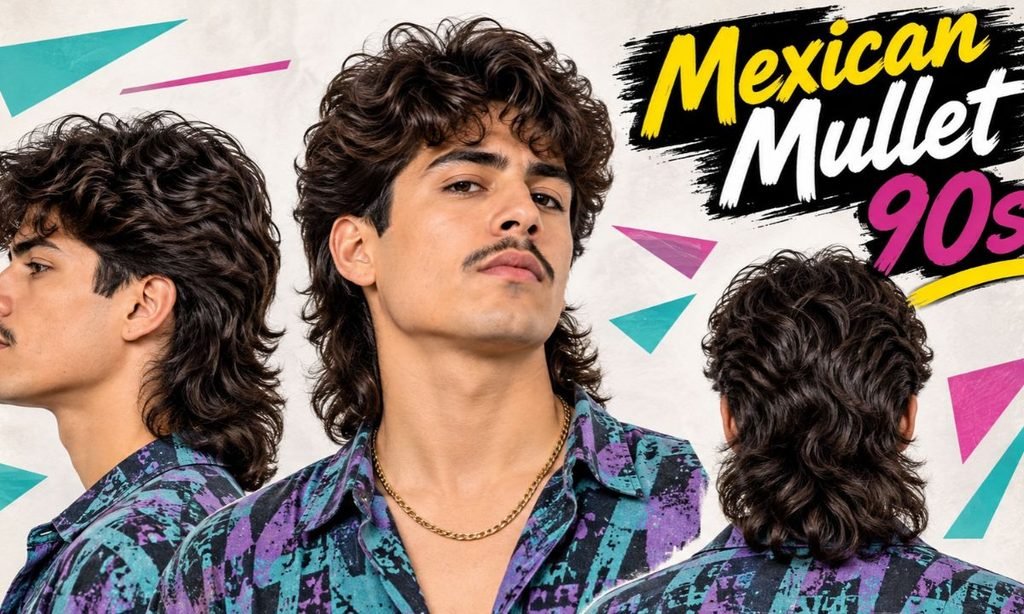
In the 1990s the mullet softened, with shorter back lengths, curtain-style fringes and a more casual finish. It appeared on musicians, athletes and actors, and it often looked slightly undone on purpose.
A 90s-inspired Mexican mullet haircut keeps that relaxed mood but adds a tidy fade around the ears and neckline. This approach works well for men with straight or slightly wavy hair who want a lived-in look without heavy styling.
Hair products also changed in this period. Light gels and pastes gave the look a damp, natural finish, and modern barbers still reach for similar textures when building a Mexican mullet haircut with a relaxed feel.
Modern Mexican mullet
The modern Mexican mullet is cleaner, sharper and more intentional than its predecessors. It usually features a tight fade, visible texture on top and a back section that has been shaped rather than left to grow wild.
Barbers often add layers through the crown to create movement, then connect or disconnect the sections depending on the client’s taste. If you want a style that looks current in 2026, this is the version to ask about.
Modern mullet
The wider modern mullet trend has moved well beyond one culture or region. Men and women around the world now wear shorter, neater versions with textured tops and faded sides, and celebrities have helped bring the look to a larger audience.
Compared with the classic cut, the modern mullet is less extreme. The length at the back is often moderate, and the overall shape is softer and easier to style. The Mexican version takes the same idea and adds stronger fades and sharper edges.
Burst fade mullet

A burst fade curves around the ear and fades out toward the back of the head, leaving the nape area longer. That shape is a natural partner for a mullet, because the length at the back flows directly out of the faded curve.
The burst fade mullet suits men who want a distinctive outline rather than a straight, even fade. It looks especially good with curly or wavy hair, since the curls can fall freely over the longer section at the neck.
Mexican mullet meme
Like many popular hairstyles, the Mexican mullet has become a meme online. Videos and captions often joke about how dramatic the style looks, how quickly it spreads through friend groups, or how much attention a fresh cut gets.
The humour is usually affectionate, and it has helped the style reach people who might never have searched for it. Memes aside, the cut is a serious barbering technique that takes skill to execute well, and a good one still turns heads.
Why the Mexican Mullet Haircut Has Become So Popular
Several things explain the rise of the Mexican mullet haircut. First, social media rewards visual contrast, and the sharp fade against flowing length photographs extremely well from the side and the back.
Second, men are more willing to experiment with hair than they were a decade ago. Textured crops, longer layers and bold fades are now ordinary choices rather than risky ones, so a mullet no longer feels out of place.
Finally, the style is practical. A faded side keeps the head feeling light in warm weather, while the longer back gives you room to change the look. Barbers also enjoy working on it, which means many shops now promote it openly.
Celebrity influence plays a part as well. When athletes and musicians appear with mullet-style cuts, barbers report more clients asking for similar looks, and the Mexican mullet haircut often becomes the version they request because it feels cleaner and more current.
Key Features That Make This Haircut Unique
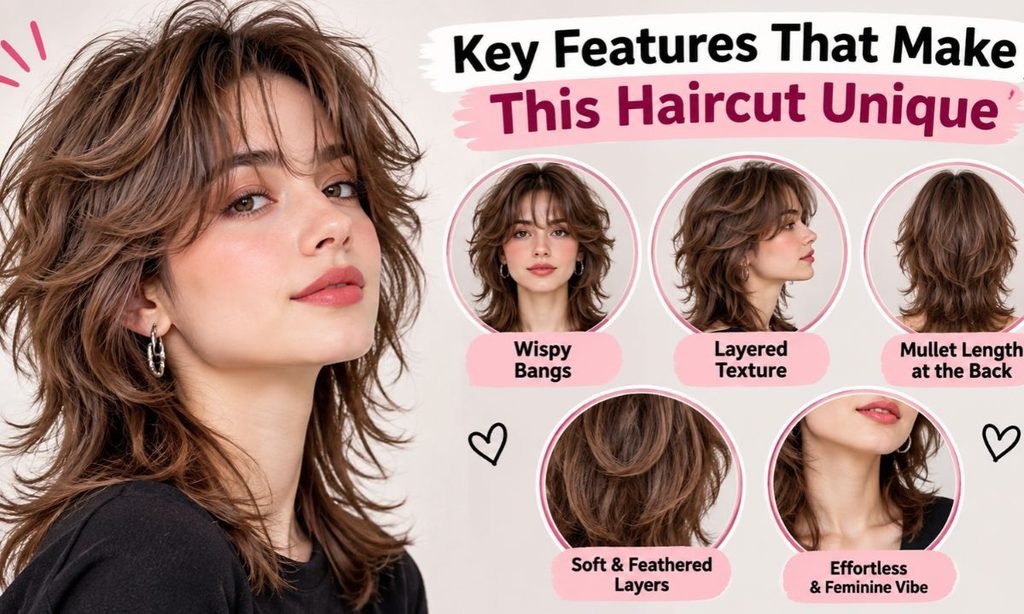
A Mexican mullet haircut is easy to recognise once you know what to look for. Four features set it apart from other mullet variations and from standard short cuts.
Barbers also point out that the cut is built in sections. The sides are faded first, the top is shaped second, and the back is blended last, which is why a Mexican mullet haircut usually takes longer than a standard short cut.
Sharp Contrast Between Front and Back
The defining trait is the difference between the short sides and the longer back. This contrast creates a strong outline that stays visible even when you wear the top flat or combed.
Because the contrast is intentional, barbers pay close attention to the line where the faded section meets the longer hair. A clean transition makes the cut look polished, while a rough one makes it look unfinished.
Modern Fade Techniques
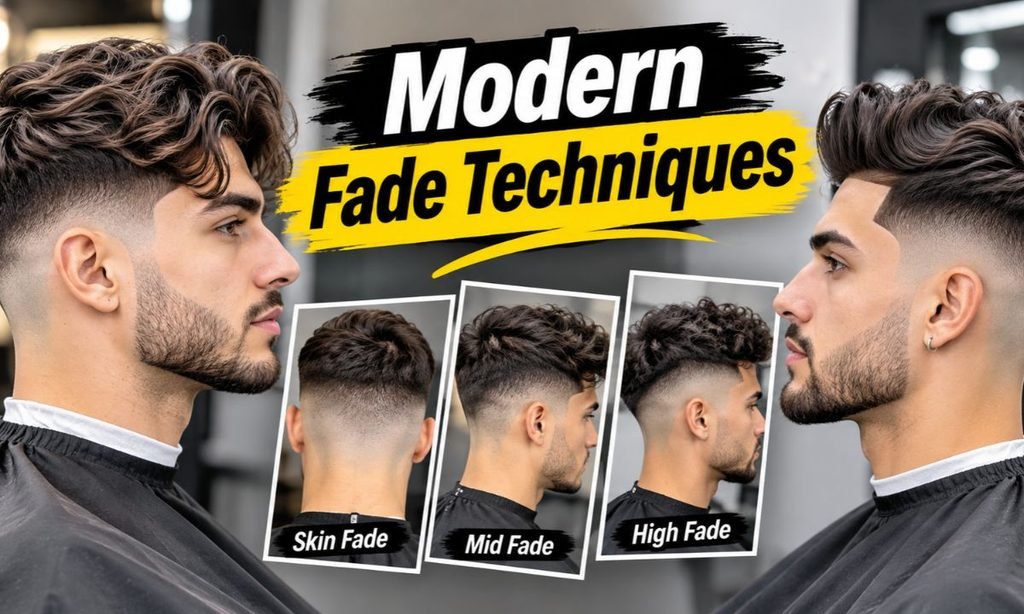
Fading is the technical heart of the style. Barbers use clipper guards, shears and sometimes a razor to blend the sides smoothly into the neckline.
Different fade heights change the mood completely. A low taper feels subtle and professional, while a high skin fade looks bolder and more fashion-forward.
Strong Texture and Movement
Texture keeps the cut from looking flat. Barbers use point cutting, layering and thinning shears to add movement through the top and crown.
Good texture also makes styling easier. A little product is usually enough to define the shape, which saves time in the morning.
Customizable Styling Options
You can wear this haircut in many ways. Push the top forward for a fringe, sweep it back for a cleaner look, or scrunch it for a messy, casual finish.
The back section can also change. Some men keep it neat and tapered, while others let it grow longer and wear it loose or tied back.
Trending Mexican Mullet Haircut Styles
Barbers and clients keep inventing new versions of the cut. These are the variations that continue to trend in 2026, along with the type of man each one suits.
Each version of the Mexican mullet haircut below can be adjusted for length, fade height and texture, so treat the descriptions as starting points for a conversation with your barber.
Taper Fade Mexican Mullet

The taper fade gradually shortens the hair around the ears and neckline, then leaves the back longer. It is the most conservative option and a safe starting point if you are new to the style.
Burst Fade Mexican Mullet
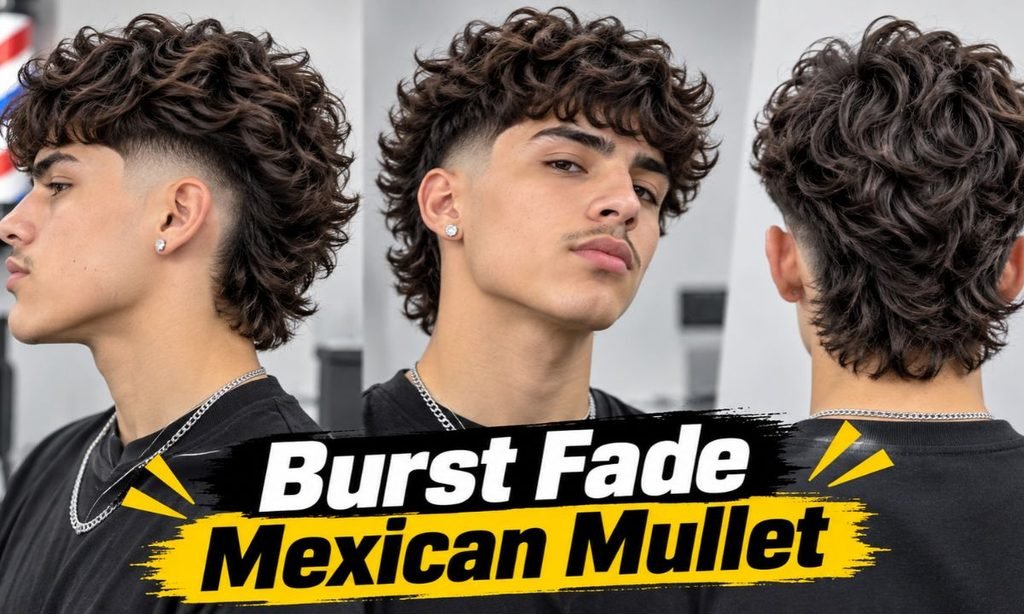
This version curves the fade around the ear in a semicircle. It highlights the back length and suits men who like a more dramatic outline.
Textured Mexican Mullet
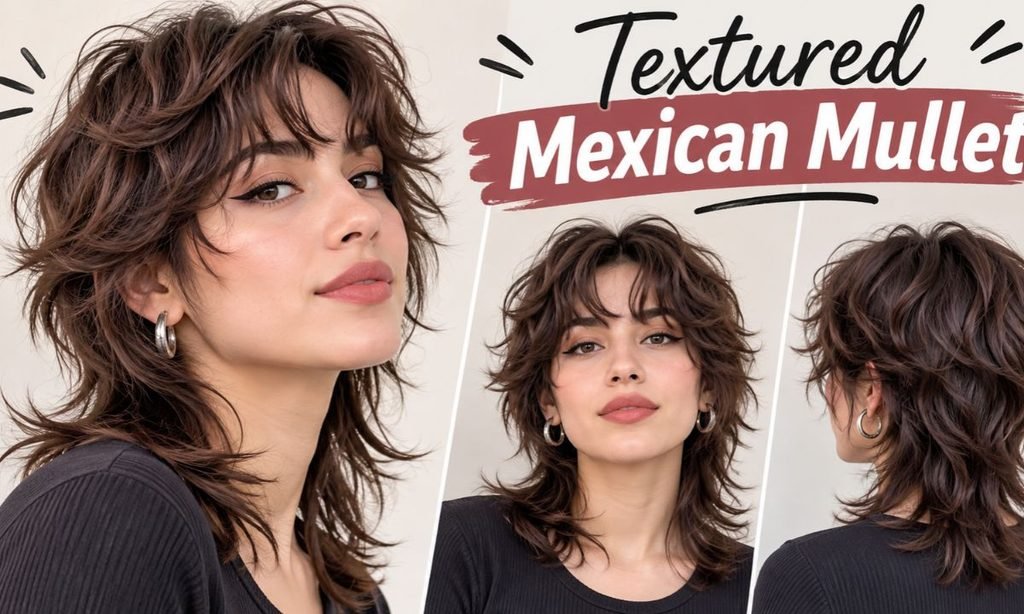
A textured mullet uses choppy layers and visible movement on top. It works well for thick hair and suits a messy, relaxed finish.
Edgar Mexican Mullet
The Edgar combines a blunt, straight fringe with sharp edges and a longer back. It has strong roots in Latino barbershop culture and remains popular with younger clients who like a bold, graphic look.
Low Taper Mexican Mullet
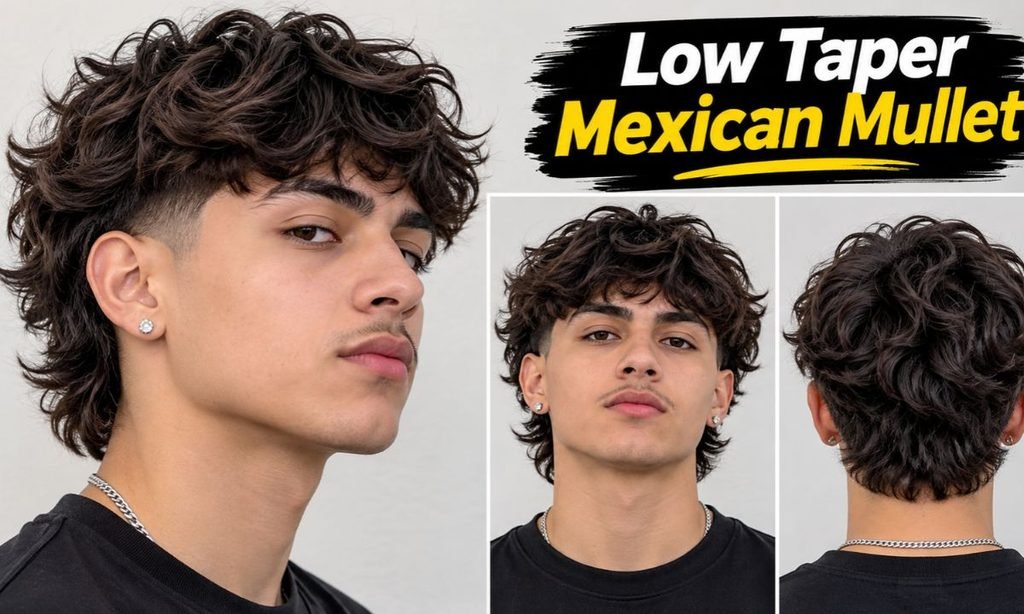
The low taper keeps the fade close to the ears and neckline. It is a subtle, office-friendly option that still delivers the signature length at the back.
Curly Mexican Mullet
Curls suit this cut because the longer back section shows off natural texture. Ask your barber to leave extra length on top to protect the curl pattern.
Wavy Mexican Mullet

Wavy hair gives the style a relaxed, effortless finish. A light sea salt spray or cream helps define the waves without making them stiff.
Modern Disconnected Mexican Mullet
In a disconnected mullet, the longer section is deliberately separated from the faded sides rather than blended into them. The result is a stark, graphic outline that looks very current.
Crop Top Mexican Mullet
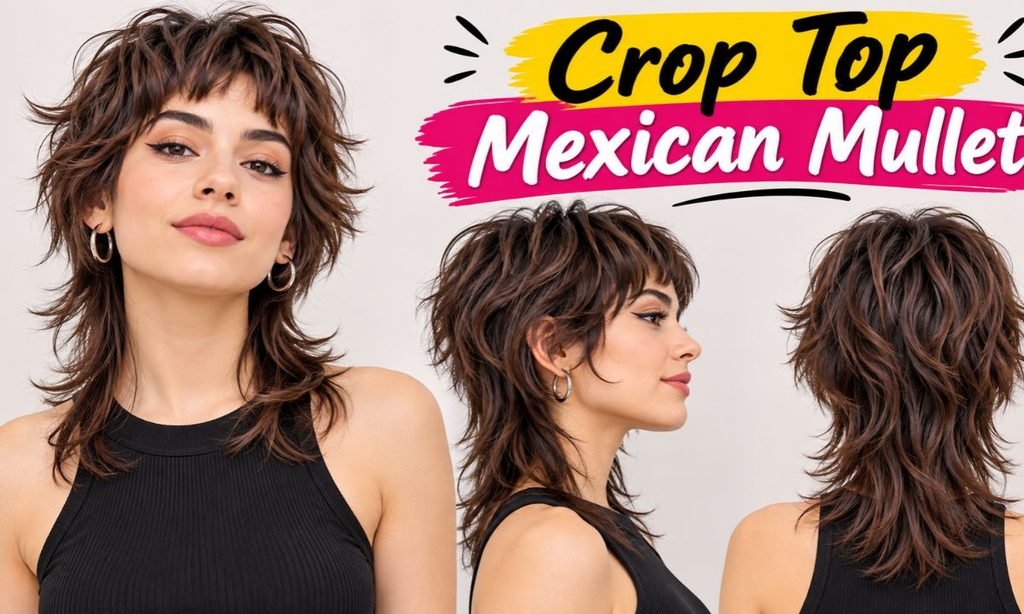
This variation pairs a short, textured crop on top with a faded side and a longer back. It is easy to maintain and works well for men with straight hair.
Slick Back Mexican Mullet
Here the top is combed back with pomade or gel, creating a smooth, polished finish. It suits formal settings while keeping the signature length at the back.
Choosing the Right Mexican Mullet for Your Face Shape
The right proportions can make a Mexican mullet haircut look tailored to you. A few simple adjustments are usually enough.
Face shape is only one factor, but it guides decisions about fade height, fringe length and back volume. The right balance keeps a Mexican mullet haircut flattering from every angle.
Oval Face
Oval faces are balanced and suit almost any variation. You can experiment with taper, burst or disconnected versions without worrying about proportions.
Round Face
Choose a higher fade and extra height on top to add length to the face. Avoid too much volume at the sides, which can make the face look wider.
Square Face
A softer, textured top helps balance a strong jawline. A mid taper with a slightly rounded back often looks flattering.
Diamond Face
Keep the sides tidy and add some fringe or volume at the front to balance wider cheekbones. A medium-length back adds softness around the jaw.
Best Hair Types for a Mexican Mullet

Straight, wavy and curly hair can all work with this style, but each type behaves differently. Thick, straight hair holds the shape well and shows fades clearly. Wavy hair adds natural movement and usually needs little styling.
Curly hair makes the cut look full and expressive, although it needs moisture and regular trimming to avoid frizz. Fine or thin hair can still work if you keep the back shorter and add texture on top to create the impression of volume. Very thin hair at the crown may suit a crop-style version better.
Hair density also matters. Thick hair may need thinning to keep the back from looking bulky, while thinner hair benefits from a shorter nape. Discuss these details early, because a Mexican mullet haircut depends on balance between the top and the back.
How to Style a Mexican Mullet Haircut
Styling a Mexican mullet haircut takes only a few minutes once the cut itself is good. Follow these steps for a reliable daily routine:
- Wash your hair with a gentle shampoo and towel dry until it is damp.
- Apply a texturizing product such as sea salt spray or a light mousse.
- Blow dry the top with your fingers, lifting at the roots for volume.
- Add a small amount of matte clay or paste to define the texture.
- Smooth the back section with a little cream or leave it natural for a rougher look.
Common mistakes include using too much product, which weighs the hair down, and skipping heat protection. Another frequent error is styling the back and top the same way, when each section usually needs a different approach.
A few extra habits make daily styling faster. Sleep with the longer back section loosely tied or tucked away to avoid tangles, and refresh the top with a light mist of water in the morning. Over time you will learn how much product your Mexican mullet haircut needs to hold its shape.
Maintenance Tips for Long-Lasting Results
Fades grow out quickly, so plan on visiting your barber every three to four weeks to keep the lines sharp. Between visits, a quick neckline cleanup can extend the life of the cut.
Use a moisturising shampoo and conditioner for the longer sections, especially if your hair is curly or dry. Avoid heavy washing every day, since it can strip natural oils.
Mistakes to avoid include letting the back grow unshaped, cutting the sides at home with the wrong guard, and ignoring split ends. A trim every couple of months keeps the long section healthy and neat.
Sun, chlorine and heat tools can dry out the longer section, so use a leave-in conditioner when needed. Treating the back gently is the simplest way to keep a Mexican mullet haircut looking healthy instead of frizzy.
Why Barbers Recommend the Mexican Mullet

Barbers like this style because it shows off their technical skill. Clean fades, controlled layering and careful blending all come together in a single cut, which makes it a strong portfolio piece.
It is also versatile. A good barber can adjust the length, fade height and texture to suit a client’s face shape, hair type and lifestyle. That flexibility is why many professionals recommend a Mexican mullet haircut to clients who want something fresh but not extreme.
Clients also benefit from the conversation that comes with the cut. Barbers often ask about lifestyle, work and styling habits, which helps tailor a Mexican mullet haircut that fits real life rather than just a photo.
FAQs – Mexican Mullet Haircut
What is a Mexican mullet haircut?
A Mexican mullet haircut is a modern mullet that combines a sharp fade on the sides with a longer, textured back. It comes from Latino barbershop culture and is known for its clean lines and strong contrast.
Is a Mexican mullet suitable for all hair types?
A Mexican mullet haircut works on straight, wavy and curly hair, although the styling differs. Very fine hair may need extra texture on top, while curly hair needs more moisture.
How often should a Mexican mullet be trimmed?
Most men need a trim every three to four weeks to keep a Mexican mullet haircut crisp. The longer back section can wait a little longer.
What is the difference between a classic mullet and a Mexican mullet?
A classic mullet is usually softer and more layered, with a gradual change in length. A Mexican mullet haircut uses tighter fades and sharper edges, so the contrast looks cleaner and more deliberate.
Does a Mexican mullet require daily styling?
Not necessarily. A good Mexican mullet haircut with natural texture can look fine with a little cream or paste. Daily styling is optional and depends on how polished you want the finish.
What is the Mexican mullet?
The Mexican mullet haircut is a faded, textured mullet popular in Latino barbershops. It keeps the hair short on the sides and long at the back, with precise lines and plenty of movement.
Is mullet a chapri haircut?
Some people use that slang to mock certain styles, but it is a stereotype rather than a fact. Today the mullet is a mainstream fashion choice worn by athletes, musicians and everyday men, and how it looks depends on the cut and grooming.
What is the name of the Mexican haircut?
There is no single official name. People often call the Mexican mullet haircut simply the Mexican mullet, and closely related styles include the Edgar cut, the taper fade mullet and the burst fade mullet.
Is a mullet an attractive haircut?
Attractiveness is personal, but a well-shaped Mexican mullet haircut often looks confident and stylish. A clean fade, healthy hair and a cut matched to your face shape make the biggest difference.
Does Virat Kohli have a mullet?
Yes. The Indian cricketer showed off a mullet-style cut in August 2023 ahead of the Asia Cup, and a modern version of the style appeared again in 2024.
Does Virat Kohli have a mullet?
Kohli’s version is a softer, modern take with faded sides and textured length at the back, rather than a strict Mexican-style fade. Its popularity helped bring the mullet to many new fans.
Are girls attracted to mullets?
Opinions vary from person to person. Many people like a mullet when it looks neat and suits the wearer, since confidence and good grooming usually matter more than the haircut itself.
Conclusion
The Mexican mullet haircut is one of the most expressive options available in 2026. Its mix of sharp fades, textured movement and longer back length gives it a distinct identity, and its many variations make it easy to personalise.
Choose a style that suits your face shape and hair type, keep up with regular trims, and avoid common mistakes such as overusing product. With a skilled barber and a little daily care, this cut can look striking for months. In short, the Mexican mullet haircut rewards patience, good communication and consistent care.

Meet Olivia Bennett, a passionate hair and beauty writer at ClearN Haven, sharing trendy haircuts, stunning hairstyles, and expert tips for beautiful hair.
1 thought on “Mexican Mullet Haircut Great Styles and Errors for 2026”